Anxiety and depression? Yeah, they can be a real pain in the neck. It’s like trying to run a marathon but with weights on your shoulders. Every step feels heavier, and you just wanna sit down and give up.
You know how it is. One minute you’re fine, and the next you feel like you’re stuck in quicksand. That constant cycle can mess with your head big time. But here’s the thing: therapy sessions can really help.
They’re not some magical cure, of course. But they offer a space to breathe, to unpack all that mental chaos. It’s like talking to a friend who gets it—without judgment or interruption.
In this chatty exploration, we’ll dive into what those sessions are all about. No pressure, no stress—just real talk about navigating anxiety and depression together.
Discover the Top Therapies for Managing Anxiety and Depression Effectively
Managing anxiety and depression can sometimes feel like an uphill battle. But the good news is, therapy can really help you navigate these tricky waters. Let’s break down some of the most effective therapies out there.
Cognitive Behavioral Therapy (CBT) is one of the most popular approaches for tackling both anxiety and depression. Basically, it focuses on changing negative thought patterns that lead to those heavy feelings. You might chat with your therapist about how your thoughts influence your emotions and behaviors. For example, if you think “I always mess things up,” CBT helps flip that script to something more positive, like “I’ve made mistakes, but I learn from them.”
Then there’s Dialectical Behavior Therapy (DBT). This one’s particularly useful if you’re dealing with intense emotions or self-destructive behaviors. DBT combines cognitive-behavioral techniques with mindfulness practices. So, you learn to recognize and accept your feelings without judgment. Imagine sitting quietly and just observing what you’re feeling—instead of drowning in it.
Next up is Mindfulness-Based Therapy. Mindfulness encourages you to be present in the moment—like feeling the actual texture of a blanket instead of letting your mind race around in circles about work stress or relationship drama. Therapists might guide you through exercises that help anchor you in the here and now.
Another effective method is Acceptance and Commitment Therapy (ACT). ACT helps you understand that it’s okay to have difficult thoughts or feelings. Instead of trying to fight them off, you’ll learn how to accept them while committing to actions that lead towards a meaningful life. It’s like saying, “Yeah, I feel anxious right now—but I’m still gonna go for that run because it makes me happy.”
Then there’s Exposure Therapy, especially useful for anxiety disorders like phobias or PTSD. In this approach, you’ll gradually face what scares you in a safe environment—like someone who’s afraid of dogs starting with pictures before moving on to being around a calm dog.
Lastly, don’t overlook Group Therapy. Talking to others who are facing similar challenges can be super comforting and validating. You get the chance to share experiences and learn from each other while realizing you’re not alone in this struggle.
Choosing the right therapy often depends on personal preference and specific needs, so it might take some experimentation. Don’t hesitate to communicate openly with your therapist about what feels right for you!
10 Effective Types of Therapy for Managing Anxiety and Depression
Well, let’s talk about therapy for anxiety and depression. So many people are dealing with these feelings, and therapy can be a really effective way to navigate through them. Here are some popular types of therapy that could help you or someone you know.
Cognitive Behavioral Therapy (CBT) is like the gold standard for treating anxiety and depression. It focuses on changing negative thought patterns that contribute to these feelings. Imagine you’re caught in a loop of “I can’t do this.” CBT helps you challenge those thoughts and replace them with something more positive, like, “I’ve handled tough situations before.”
Dialectical Behavior Therapy (DBT) is an offshoot of CBT, crafted for folks dealing with intense emotions. It’s super helpful if your anxiety or depression includes self-harm or suicidal thoughts. DBT teaches skills in mindfulness, distress tolerance, emotional regulation, and interpersonal effectiveness. You’re basically learning to balance your emotions while staying connected with others.
Acceptance and Commitment Therapy (ACT) takes a slightly different approach; it encourages you to accept your thoughts and feelings rather than fight them. You learn to commit to actions aligned with your values despite your anxiety or depression. Think of it as letting the storm roll by while you stand firm on solid ground.
Mindfulness-Based Stress Reduction (MBSR) is all about being present in the moment. Using techniques from meditation and yoga, MBSR can help calm your mind when anxiety tries to take over. It’s like taking a deep breath when everything feels chaotic; it brings peace back into focus.
Psychodynamic Therapy digs deep into the roots of your emotional struggles by exploring how past experiences shape current behaviors. With this style, you might chat about childhood events or significant relationships that influence how you feel now. It’s a little like piecing together a puzzle where understanding can lead to healing.
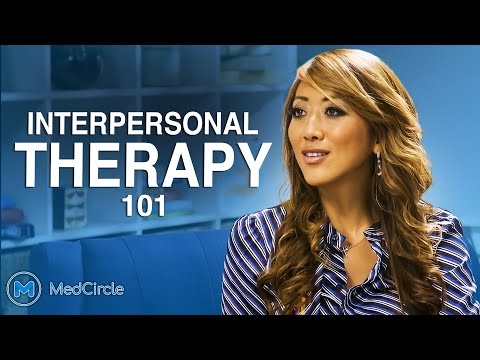
Interpersonal Therapy (IPT) centers on improving relationships and social functioning which can be seriously affected by anxiety and depression. If you’re feeling isolated because of these feelings, IPT focuses on how connecting with others can help lighten the load emotionally.
Group Therapy, well that one has its own charm! Being around others who get what you’re going through can be hugely beneficial. It creates a sense of community; you’re not alone in this fight! You share experiences, learn from each other, and often find support that really boosts healing.
Exposure Therapy, especially for those struggling with specific anxieties like phobias or PTSD, involves gradual exposure to what makes you anxious—safely! This therapy helps desensitize those fears over time so they don’t control your life anymore.
Mentalization-Based Treatment (MBT), which is rooted in psychodynamic theory but often mixed with cognitive aspects too, helps improve your ability to understand both yourself and others’ mental states. Knowing why someone acted a certain way—or why we react strongly—can actually soften emotional responses toward anxiety or depresssion triggers.
Lastly, there’s Email/Online Therapy. In our tech-driven world today, many opt for remote options when traditional therapy feels daunting or inaccessible. Connecting online means there’s flexibility without sacrificing quality care; just make sure it’s a legit platform!
So there are plenty of options out there! Each type has its flair but ultimately aims at helping you cope better with anxiety and depression in healthier ways. Remember though: finding the right fit may take some time but it’s totally worth it!
Effective Psychological Treatments for Overcoming Depression and Anxiety
You know, when it comes to dealing with depression and anxiety, there are quite a few psychological treatments that can really make a difference. These therapies aren’t just about talking; they’re all about getting to the root of what’s going on and helping you find your way through those tough times. So, let’s break it down.
Cognitive Behavioral Therapy (CBT) is one of the big names in the therapy world. Basically, it’s focused on changing negative thought patterns. Imagine your brain is like a radio stuck on a bad station; CBT helps you tune in to better music! You work with a therapist to identify these thoughts and then challenge them. For example, if you think, «I always mess things up,» CBT helps you shake that feeling off by finding evidence showing that’s not true.
Then there’s Mindfulness-Based Therapy. This one’s all about being present in the moment instead of spiraling into what-ifs or past mistakes. Picture yourself sitting quietly, just observing your thoughts without judgment—sounds peaceful, right? It helps reduce anxiety by fostering acceptance and reducing rumination.
Another approach is Interpersonal Therapy (IPT). It focuses on improving personal relationships and social functioning to help reduce symptoms of depression or anxiety. Think about it: when relationships are rocky or lacking support, your mental health can really take a hit! In IPT sessions, you’d explore things like role changes—like losing a job or going through a breakup—and how these changes affect how you feel.
Let’s not forget Exposure Therapy, especially for anxiety disorders. This technique gradually exposes you to whatever makes you anxious in a safe environment. Imagine being scared of spiders—you wouldn’t start by holding one right away! In therapy, you might first look at pictures before eventually working your way up to being near them. The goal is to reduce fear through controlled exposure.
Have I mentioned Acceptance and Commitment Therapy (ACT)? It’s kind of cool because instead of trying to fight difficult feelings—like sadness or fear—you learn to step back from them and accept their presence while still moving toward your values and goals in life. Say you’re feeling really down; ACT helps you say, «Hey, it’s okay that I feel this way,» while still encouraging action towards what truly matters to you.
Also worth mentioning is the use of medication. While it isn’t therapy per se, many people find that medication can be an effective part of their overall treatment plan alongside therapy. SSRIs (selective serotonin reuptake inhibitors) are one common option for managing depression and anxiety symptoms.
So yeah, navigating through depression and anxiety with these therapies isn’t just about feeling better in the moment—it’s about changing how you think and behave long-term too. Everyone’s journey is different; what works wonderfully for one person might not resonate with another at all! Engaging with these treatments gives you tools for life—not just band-aids for now.
If you’re ever thinking about diving into therapy for these issues, know that you’ve got options out there! Each approach has its own flavor but shares the common goal: helping you feel more like yourself again.
You know, navigating anxiety and depression can feel like you’re trying to find your way through a really thick fog. Sometimes, everything seems unclear and overwhelming. I remember a friend of mine, let’s call her Sara. She struggled with anxiety for years, feeling constantly on edge. For her, even simple tasks felt monumental. Then she decided to try therapy.
At first, she was super skeptical. I mean, who wouldn’t be? Sitting in a room with a stranger and spilling your guts could feel pretty daunting. But after a few sessions, something shifted for her. She started to see that talking about her feelings wasn’t just about venting; it was more like peeling back layers of an onion—kind of messy but oddly relieving.
Therapists have this way of guiding you gently through the chaos in your mind—a bit like holding up a flashlight in that fog I mentioned earlier. They help you make sense of those swirling thoughts and emotions that feel so heavy at times. You begin to learn coping strategies that resonate with you personally—ways to manage the anxiety when it creeps back in or tools to lift the weight of depression.
Sometimes it’s not just about finding solutions but learning how to sit with those tough emotions without feeling like they’re going to swallow you whole. In therapy, Sara learned it’s okay not to have everything figured out right away. And honestly? That realization was key for her; it took the pressure off.
The beauty of therapy is that it’s not a one-size-fits-all deal. You can explore different approaches: cognitive behavior therapy (CBT), mindfulness techniques, or maybe even talk therapy that encourages exploring past experiences—whatever feels right for you in that moment.
Sure, some days are harder than others—that’s life—but those sessions give you a safe space where it’s okay to unpack all the baggage you’ve been carrying around. It helps you build resilience and understand yourself better.
So if you’re feeling stuck between anxiety and depression, know there’s hope in reaching out for help through therapy. Just think about how many people have walked this road before you; there’s real strength in sharing your journey with someone who “gets it.” It’s about progress over perfection—and honestly? That’s plenty good enough!