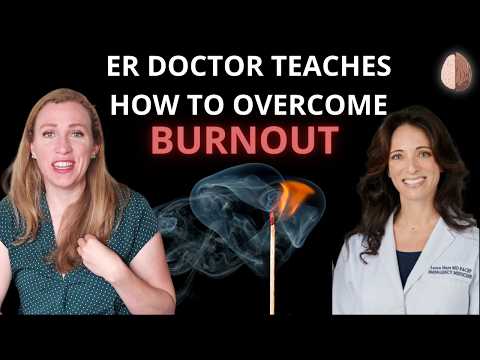
Burnout, man. It sneaks up on you when you least expect it. One minute, you’re cruising through your day, and the next, you’re just… done.
Feelings of exhaustion and overwhelm can creep in and take over your life. It’s like being stuck in a fog that won’t lift, and trust me, it can be tough to shake off.
But hey, you’re not alone in this battle! Lots of folks feel like they’re running on fumes. The good news? There are ways to tackle this head-on.
Let’s chat about some therapeutic approaches that could really help you get back your spark. You deserve to feel energized and alive again!
Effective Strategies for Overcoming Burnout: A Comprehensive Guide to Treatment Options
Burnout is one of those things that creeps up on you, right? You start feeling exhausted and maybe a bit cynical about your job, life, whatever you’ve got going on. It’s like driving your car on empty for too long; eventually, you just run out of gas. So let’s chat about some effective strategies to tackle this beast called burnout.
Recognize the Signs: The first step in overcoming burnout is realizing it’s happening. This can look like constant fatigue, irritability, or feeling detached from your work and relationships. If you’re finding it tough to care about things you used to love, that’s a red flag.
Set Boundaries: You know how sometimes people just take on way too much? Learning to say «no» can be liberating. Make space in your schedule for yourself instead of a packed calendar of obligations. It’s not selfish; it’s necessary.
Prioritize Self-Care: This sounds cliché but hear me out—self-care isn’t just bubble baths (though those are nice too!). Think healthy eating, getting enough sleep, and moving your body regularly. Even short walks can seriously help clear your mind.
Talk It Out: Sometimes you need to voice what you’re going through. Find someone you trust—a friend or therapist—and spill the beans. Just getting it off your chest can provide a little relief.
Mindfulness and Relaxation Techniques: Practicing mindfulness is super helpful for combating burnout. Things like meditation or deep-breathing exercises can anchor you back into the present moment when everything feels overwhelming.
Take Breaks: Seriously, don’t underestimate the power of taking breaks during your day. Even if it’s just stepping outside for a few minutes or grabbing coffee without distractions—find those little moments! It adds up.
Pursue Interests Outside Work: Think about what brings you joy outside of work—whether that’s painting, hiking, or cooking new recipes. Engaging in hobbies can rejuvenate your spirit and help balance out stressful times.
Reassess Your Goals: Sometimes we’re so busy chasing success that we forget what actually matters to us personally. Reflect on whether your current path aligns with what brings you fulfillment and happiness.
Here’s the thing: overcoming burnout isn’t about flipping a switch; it takes time and effort! Just remember that it’s okay to reach out for support when things feel heavy—you definitely don’t have to go through this alone!
Ultimate Burnout Recovery Plan PDF: Reclaim Your Energy and Well-Being
Burnout can feel like you’re running on empty, like your battery’s just drained. You wake up, and instead of feeling refreshed, it’s as if you never slept at all. You know that feeling? It’s no joke. Recovering from burnout isn’t about slapping a band-aid on it; it takes a good look at what’s going on in your life and finding some balance again.
First off, let’s talk about recognizing burnout. It often sneaks up on you. You might feel mentally exhausted, cynical about your job and just not motivated to do anything. The emotional weight can be crushing. When I was experiencing burnout myself, I remember waking up one day and thinking, “Why bother?” Everything felt so heavy.
Therapeutic approaches are key in battling this beast. Here’s the rundown:
- Cognitive Behavioral Therapy (CBT): This helps change the way you think about stressors. Instead of spiraling into negativity, CBT teaches you to reframe your thoughts positively.
- Mindfulness and Meditation: Seriously effective for grounding yourself in the present moment. Learning to breathe deeply can change how you handle stress.
- Exercise: Yeah, that good ol’ physical activity! Moving your body releases endorphins—those feel-good hormones—and helps clear your mind.
- Talk Therapy: Sometimes just having someone listen can make a world of difference. A therapist can help shine a light on ways to cope with overwhelming feelings.
- Skill Development : Learning new skills or hobbies can rekindle that spark! Finding something outside of work to focus on helps shift your mindset.
You gotta remember: recovery is personal; what works for one may not work for another. Keep experimenting until something clicks!
Now let’s get serious about self-care practices. These are essential tools on your recovery journey:
- Scheduling downtime: Make sure to carve out time just for yourself—whether that means taking a long bath or binge-watching your favorite show.
- Saying no: It’s okay to set boundaries! Learn when you need to protect your energy by declining extra responsibilities.
- Nourishing food: Eating well fuels not just your body but also improves mood and mental clarity.
- Sufficient sleep: Prioritize rest! Sleep deprivation really messes with emotional regulation.
A friend of mine once shared how she turned her life around by adding simple morning routines into her day—like stepping outside for fresh air before work or jotting down three things she was grateful for each day. Those little changes added up quickly!
Lastly, an important piece of advice: don’t hesitate to seek help from professionals if things get too heavy. Sometimes it takes more than self-care or positive vibes to tackle deep-rooted exhaustion.
So remember—you’re not alone in this fight against burnout. Recovery isn’t always straightforward, but reclaiming your energy and well-being is totally possible with some conscious effort and support from others around you!
10 Clear Signs You’re Successfully Recovering from Burnout
Recognizing when you’re on the path to recovery from burnout can feel like finding a light at the end of a long tunnel. Sometimes it’s hard to see, but hey, there are definitely signs that you’re making progress. Here are some clear indicators that you’re successfully bouncing back from that pit of exhaustion.
1. You’re Feeling More Energized
You know that sensation where you wake up and actually look forward to the day? That’s a huge win! When your energy levels start creeping back up, you’re probably on the right track.
2. Increased Motivation
Remember when you couldn’t even think about tackling chores? Well, if you’re starting to feel excitement about projects or goals again, that’s a solid sign of recovery. You might find yourself wanting to go after new hobbies or revisit old ones.
3. Better Sleep Quality
This one’s big. If you notice you’re sleeping more soundly and waking up feeling rested, trust me; your body is thanking you for taking care of it. Sleep is like the reset button for your brain.
4. Improved Relationships
When burnout hits, it can strain your connections with others. If you’re finding joy in conversations again or wanting to spend time with friends and family, you’re likely healing. It feels nice to reconnect without feeling drained afterward.
5. Less Irritability
Burnout often comes with irritability and mood swings that can make everyday interactions challenging. If you’ve noticed that little things no longer set you off like they used to, it’s a good sign that your mental state is improving.
6. You’re Setting Boundaries
Learning to say no is empowering! If you’re beginning to prioritize your needs over obligations without feeling guilty about it, that’s major progress in recovery.
7. Seeking Support
When people begin recovering from burnout, they often reach out for help—be it friends, family, or professionals. If you’re more open about your feelings and seeking support when times get tough, that’s definitely a step in the right direction.
8. A Shift in Perspective
As burnout fades away, many people find they have less of a negative outlook on work and life in general. You might find yourself appreciating small things or recognizing the positives around you instead of fixating on what’s wrong.
9. Engaging in Self-Care
If self-care has transitioned from being just an idea into something you actively practice daily—like taking walks or enjoying quiet moments—then you’re well on your way to recovery!
10. Resilience Boost
Finally, if you’ve developed a greater resilience to stressors—that means handling setbacks without feeling overwhelmed—you’ve clearly progressed beyond just surviving day-to-day life.
Those signs may seem subtle at first but look closely; you’ll notice them over time! Recovery isn’t always linear; some days will feel heavier than others, but recognizing these signs can give you hope and motivation as you move forward.
Burnout and exhaustion are like those weights that just keep piling on your shoulders until you feel, well, crushed by them. It’s like running a marathon without even starting a race. You know that feeling when you’ve been juggling a zillion things at once, and suddenly, you just hit a wall? Yeah, I’ve been there too.
So, the thing is, overcoming burnout isn’t just about catching up on sleep—although that’s super important—it’s really about finding ways to reconnect with yourself and your energy. There are some therapeutic approaches that can help lift that heavy fog of exhaustion.
Cognitive Behavioral Therapy (CBT) is pretty popular for this kind of stuff. It focuses on changing those negative thought patterns we can get caught up in when we’re burnt out. Like, you might think “I can’t do anything right,” but therapists help you flip that script so you can see the positives again. It’s kind of like polishing a dusty mirror—you want to see your reflection clearly!
Then there’s mindfulness and meditation. You probably hear a lot about it these days, right? It’s all about being present in the moment instead of drowning in past regrets or future worries. I remember talking to a friend who started doing mindfulness exercises every morning. At first, she thought it was silly but soon realized it helped her breathe easier and gave her some peace before facing the day.
Another approach is focusing on self-care routines—simple things like taking walks or savoring your favorite cup of coffee without rushing through it. Seriously! Taking time for small joys can recharge your batteries faster than you’d think.
And let’s not forget talk therapy! Sharing what you’re feeling with someone who gets it can be like removing weights from each shoulder one by one. Feeling heard can lighten that load so much.
Ultimately, recognizing burnout is step one; finding the right paths to heal is the journey afterward. You’re not alone in this struggle; many people are navigating similar challenges every day. So don’t hesitate to reach out if you’re feeling overwhelmed—it really does get better!