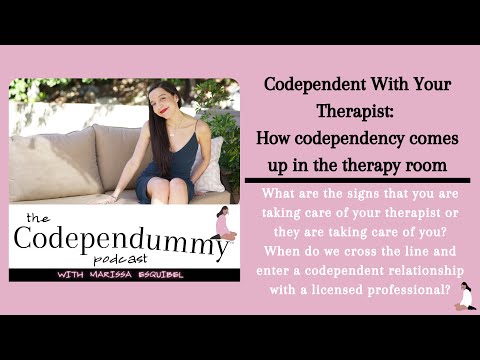
You know that feeling when you’re always putting others first? Like, no matter what, you just can’t help but prioritize their needs over your own? It’s kind of exhausting, right?
Well, that’s what codependency feels like. And honestly, a lot of people deal with it more than they realize. But here’s the good news: you don’t have to go through it alone!
Finding the right support can really change the game. Local therapy options could be exactly what you need. So let’s chat about how to get started on this journey together!
Discovering the Best Types of Therapy for Overcoming Codependency
Codependency can feel like a heavy backpack you just can’t seem to put down. You’re always there for others, sacrificing your own needs and feelings along the way. It’s tough, right? But finding the right type of therapy can really help you break that cycle.
When you’re thinking about tackling codependency, there are a few effective therapeutic approaches to consider. Each one has its strengths, and honestly, it might take some time to find what fits you best.
- Cognitive Behavioral Therapy (CBT): This is all about changing those negative thought patterns. You learn how your thoughts affect your feelings and behaviors. It’s kind of like switching on a flashlight in a dark room.
- Dialectical Behavior Therapy (DBT): If emotional regulation feels tricky for you, DBT could be a good fit. It teaches skills to manage emotions better and improve relationships. Seriously, it’s like giving you tools to build healthier connections.
- Attachment-Based Therapy: This style focuses on understanding your relationship patterns and recognizing how past experiences shape present behavior. It’s like peeling an onion; layer by layer, you get closer to what’s underneath.
- Group Therapy: Sometimes, just knowing you’re not alone is powerful. Group therapy provides a safe space to share experiences with others facing similar challenges. It’s incredible how much healing can happen when people support each other.
Finding local therapists who specialize in these approaches can take some legwork but trust me, it’s worth it! Start by searching online or asking friends for recommendations if they’ve had positive experiences.
Don’t forget to check if the therapist has experience with codependency specifically—that’s important! When you reach out for help, ask them about their methods and how they handle codependency issues.
Picture this: imagine sitting in front of someone who gets it—someone who understands how exhausting it is to feel responsible for everyone else but yourself. That moment when they validate your feelings? It’s like taking that heavy backpack off your shoulders for the first time.
It’s also completely normal to feel nervous about starting therapy; lots of folks do! Just remember that approaching mental health support is a huge step toward regaining control over your life and breaking free from those codependent habits.
In summary, exploring different types of therapy is key as you work through your codependency struggles. Give yourself grace along the way—it might take time and trial-and-error to discover what truly helps you heal and grow!
Understanding the Four C’s of Codependency: Key Insights for Healthier Relationships
So, codependency, huh? It’s one of those things you might not even realize is happening until, like, you’re elbow-deep in a relationship that feels more exhausting than fulfilling. Let’s break down the Four C’s of Codependency and how they play into your relationships. Understanding these can help you find a healthier dynamic—maybe even motivate you to seek local therapy.
1. Caretaking
You know how sometimes you feel like you’re constantly prioritizing someone else’s needs over your own? That’s caretaking in action. You might think you’re being selfless, but it can lead to burnout and resentment. Imagine being at dinner with a friend who always wants to order for you or take over conversations—like, it’s not just annoying; it’s draining too.
2. Controlling
Then there’s control. This isn’t just about being bossy or trying to manipulate outcomes; it’s about needing everything to be «just right.» Maybe you’re always picking up after someone or making decisions for them because deep down, you’re afraid things won’t go well if you don’t step in. But honestly, this can kill trust and create distance rather than bring people together.
3. Communication Issues
Communication issues crop up when both partners struggle to express their feelings or needs openly—like talking but not really saying anything meaningful, you know? One partner might keep playing the “let’s just avoid conflict” game while the other feels unheard and frustrated. It’s like two ships passing in the night.
4. Compulsive Behavior
And let’s not overlook compulsive behaviors which often show up less visibly but can be just as damaging. Think about someone who constantly checks their partner’s phone or worries excessively when they’re apart—that’s unhealthy attachment right there! It can feel normal at first but then morphs into anxiety that hinders your life.
Finding local therapy for codependency support could be a game-changer here. Support isn’t about blaming yourself; it’s more about understanding these patterns so you’re not stuck in a cycle where you lose sight of yourself trying to please others.
Recognizing these Four C’s isn’t easy—the emotional weight can be heavy—but once you’re aware of them, you’ve already taken a huge step toward healthier relationships! Seriously, whether it’s through individual therapy or even group sessions where people share similar struggles, reaching out gives you options and helps uncover new ways to navigate those tricky dynamics in your life.
So yeah, if any of this sounds familiar at all, consider talking to someone who gets it—it can really help clear up the fog!
Effective Strategies to Overcome Codependency and Foster Healthy Relationships
When you think of codependency, it’s that feeling of needing someone else to feel whole, right? Like, your happiness relies on the other person’s mood or actions. It’s tough. We all want deep connections, but sometimes it’s hard to figure out where you end and the other person begins. So let’s break down some effective strategies to help you overcome codependency and build healthier relationships.
First off, self-awareness is key. Start paying attention to your feelings and behaviors in relationships. Are you constantly worrying about what others think of you? Or maybe feeling guilty for saying no? Recognizing these patterns is a big step toward change.
- Set Boundaries: It’s okay to say no. Tell yourself that your needs matter just as much as theirs do. Practice this in small ways, like letting a friend know when their late-night calls are too much for you.
- Practice Self-Care: This means taking time for yourself—doing things that make you happy without needing someone else around. It could be as simple as reading a book or going for a walk.
- Acknowledge Your Feelings: Your emotions are valid! Just because someone else feels differently doesn’t mean your feelings aren’t important. Write them down or talk them out with someone who gets it.
You might also want to explore therapy. Talking with a professional can really help clarify what’s happening inside your head and heart. They can guide you through understanding why codependent patterns developed in the first place and help you shift them.
The thing is, it might take time—like relearning how to connect with people without losing yourself in the process. And remember, it’s not about completely cutting ties; it’s really about finding balance in those connections.
- Communicate Openly: Share how you’re feeling with close friends or partners. Being honest can strengthen bonds instead of weakening them!
- Create Independence: Work on hobbies or passions that are solely yours. This helps build confidence, making it easier to exist without leaning so heavily on others.
A little story might help illustrate this: I once knew someone who felt they couldn’t go anywhere without their partner because they feared being alone would bring sadness. One day, they decided to take themselves out for coffee—a big step! That small act created ripple effects in their relationship, leading them to realize they could enjoy life independently too.
If you’re looking for local therapy options specifically for codependency support, check online directories or community centers—you might find someone great nearby! Don’t hesitate using platforms that allow reviews; finding the right fit truly matters.
The journey toward breaking free from codependency isn’t always easy but seriously worth it! Just remember—you’re building healthier ways of relating while discovering more about yourself along the way!
So, codependency can feel like this heavy backpack you’re lugging around, right? You’re always putting someone else’s needs before your own, and it’s like a never-ending cycle. Finding the right therapy support for it can be tricky, but seriously, it’s such a game changer!
I remember chatting with a friend who was stuck in this loop. She would forget about her own goals and dreams because she was too busy trying to fix everyone else’s problems. One day, out of frustration, she finally decided to find a therapist who understood what she was going through. It wasn’t an easy step for her; she had to confront some pretty tough stuff about herself. But working with someone who specialized in codependency helped her see things more clearly.
Looking for local therapy, you might want to start by checking out community mental health centers or even online directories that list therapists by specialty. Seriously, finding someone who gets codependency can make all the difference! Some therapists even offer free consultations, so you can get a sense of whether their approach feels right.
And don’t forget about support groups. Sometimes just hearing others share their experiences can be super validating and comforting. It’s so easy to feel alone in this journey, but knowing others feel the same way? That’s powerful stuff.
Speaking of powerful, therapy is not just about talking; it’s also about learning practical tools to build healthier relationships. You get to unpack those habits that keep you tied down and create space for your own growth. Imagine the freedom that comes when you finally put yourself first for once!
In the end, seeking out local support isn’t just about fixing codependency; it’s also about rediscovering yourself and living life on your terms again. So if you’re feeling stuck—maybe it’s time to take that leap into finding some help!