Hey! So, you know that feeling when sadness just kinda creeps in, like an uninvited guest? Yeah, it sucks. Maybe you’ve had days where you just wanna stay in bed and watch TV all day. Totally relatable, right?
But here’s the thing: you don’t have to go through it alone. There are these cool light techniques in therapy that can really help lift that heavy weight off your shoulders. Seriously, they’re like little beacons of hope!
You might be thinking, “How does that even work?” Well, let’s chat about it! It’s all about exploring some simple yet effective ways to navigate through those cloudy moments. You with me?
Effective Light Therapy Techniques for Managing Seasonal Affective Disorder (SAD)
Seasonal Affective Disorder, or SAD for short, can hit like a freight train when the days get shorter and the weather gets gloomier. A lot of folks feel extra sluggish during those cold months, struggling with low energy and, well, just feeling down. Here’s where light therapy can really help turn things around.
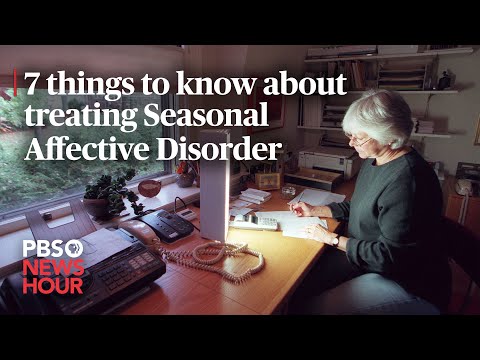
Basically, light therapy involves sitting in front of a special light box that mimics natural sunlight. It’s thought to help reset your body’s internal clock, which can seriously boost your mood. And trust me—lots of people swear by it.
When you’re looking into light therapy techniques, here are some key factors to consider:
- Time of Day: The best time to use a light box is usually in the morning. Starting your day with that bright light can help wake you up and establish a routine.
- Intensity: Look for a light box that emits at least 10,000 lux (that’s brightness measure). It’s potent enough to make a difference without causing eye strain.
- Distance: You don’t have to sit right next to the box; being about 16-24 inches away usually works well. Just make sure it’s angled toward your face.
- Duration: Most people use the box for about 20-30 minutes each morning. Timing can vary based on individual needs.
- Consistency: Just like exercising or eating well, being consistent with your sessions is key! Try to use it daily throughout those bleak months.
Now let’s talk about an experience I had with this whole thing. A friend of mine really struggled with SAD for years—just felt like she was always in a fog during winter. Then she started using a light therapy box every morning while sipping her coffee and reading the news online. It was like flipping a switch! Her energy improved notably after just a few weeks.
It’s important to remember that while light therapy can be super effective, it’s not a one-size-fits-all solution. Some folks might need medication or talk therapy along with it to really feel balanced again. And if you decide to give it a shot, speak with your doctor beforehand, especially if you have existing eye conditions or other health concerns.
So there you have it! Light therapy could be one powerful tool in navigating through SAD and brightening those darker days ahead.
Transform Your Mood: How Light Therapy Can Alleviate Depression and Anxiety
So, you’re feeling a bit down, huh? I get it. A lot of people experience that heavy cloud of sadness or anxiety sometimes. It’s like you’re stuck in a rut and no matter what you do, getting out seems impossible. But there’s actually something that might help: light therapy.
Light therapy is pretty much what it sounds like. You sit in front of a special light box that mimics natural sunlight. Sounds simple, right? But here’s the thing: research shows that this can be really effective for alleviating symptoms of depression and anxiety.
The first thing to know is how it works. Light therapy helps your body produce more serotonin, which is often referred to as the “happy hormone.” When the sun shines less during certain months, especially in winter, our bodies don’t get as much natural light and can struggle to create serotonin. This drop can lead to feelings of sadness or anxiety.
Interestingly, I’ve heard stories about people trying out light therapy for the first time and feeling a noticeable lift in their mood just after a few sessions. One friend said they felt like they finally woke up from a long nap; their energy levels shot up! It was almost like sunshine breaking through the clouds.
When it comes to using this therapy, timing matters. Most experts suggest doing light therapy for about 20-30 minutes daily, preferably in the morning. This way, it helps set your internal body clock and keeps those feelings of fatigue away later in the day.
Now let’s talk about some key points regarding light therapy:
- Consistency is key: Like any treatment plan, sticking with it is essential for seeing results.
- Sit up close: Make sure you’re positioned properly—about 12 to 24 inches from the light box for maximum effect.
- Take breaks from screens: We all love our devices but limiting screen time while using a light box can enhance effectiveness.
- Avoid glare: Find a spot where you won’t have unwanted reflections from windows or lights hitting your box.
You might be wondering if there are any side effects. Generally speaking, most people tolerate light therapy quite well! Still, some folks have reported minor headaches or eye strain—but these usually go away pretty quickly once you adjust to it.
If you’re considering giving this a shot, chatting with your therapist or doctor can be beneficial—they’ll help guide you based on your personal experience and needs!
The thing is—light therapy isn’t necessarily a cure-all; it often works best when combined with other treatments like talk therapy or medication if needed. But hey, anything that adds more sunshine (even if it’s artificial) into your life has got to be worth exploring!
If nothing else, just think about how nice it would feel to feel brighter even on those gray days! Seriously—if you’re feeling weighed down by depression or anxiety and haven’t tried this yet, maybe it’s time to give yourself a little dose of artificial sunshine.
Light Therapy for Seasonal Affective Disorder: How It Works and Benefits
Seasonal Affective Disorder, or SAD for short, can really put a damper on your mood when those darker months roll around. You know the feeling—shorter days, less sunlight, and suddenly you’re dragging through your day like a zombie. It’s tough, and it’s not just in your head; the lack of natural light can actually mess with your body’s rhythm.
That’s where light therapy comes into play. Think of it as sunshine in a box! Basically, you sit in front of a special light therapy lamp that mimics natural sunlight. This exposure can help boost your mood by increasing serotonin levels and regulating melatonin production. So, what does that look like? Well, usually you spend about 20–30 minutes each day sitting in front of this lamp—preferably in the morning to get that wake-up call feel.
Now let’s break down some key benefits of using light therapy:
So why does this work? Well, it turns out that when we’re exposed to light—especially blue-green wavelengths—it tells our brain to produce serotonin more effectively. Seriously! Just like how plants use sunlight for energy (photosynthesis), we also thrive on that natural light for our mental well-being.
You might be thinking about costs too. But good news: many insurance plans cover light therapy if you get it prescribed by a doctor or therapist. It might take some time to find the right lamp though; not all are created equal! Look for one that’s at least 10,000 lux (that’s brightness) and filters out UV rays.
But hey, it isn’t an instant fix; don’t expect miracles overnight! You may need to commit to it regularly before noticing major changes. And oh! Don’t forget—if you have eye conditions or are taking certain medications that make you sensitive to light? Definitely consult with a healthcare professional first.
In short, using light therapy could be just what you need during those dreary months of winter. It’s accessible and can significantly improve your mood and overall well-being without any crazy side effects popping up. Honestly, who wouldn’t want a little extra brightness in their life?
Sadness, man, it can hit you like a ton of bricks, right? Whether it sneaks up on you after a breakup or crashes in during those gloomy winter months, it’s just tough. But here’s the thing—therapy can really help you navigate through it. One method that’s been gaining traction is the use of what they call “light techniques.” Now, don’t get me wrong; this doesn’t mean shining a flashlight in your face and calling it a day.
You know how sometimes when you’re feeling down, just stepping outside on a sunny day can lift your mood? It’s like a mini-reset for your brain. Light techniques in therapy take that idea and expand on it. You might be looking at things like exposure to natural light or even using light boxes—those fancy gadgets designed to mimic sunlight. They help boost serotonin levels and improve overall mood.
I remember chatting with a friend who struggled with seasonal affective disorder (SAD). Every winter felt like she was dragging around a lead weight. Once she started therapy that incorporated light therapy, she noticed major changes. It wasn’t overnight magic, but gradually she began to feel more energized and less moody. Just being near that bright light helped her get through those dreary days.
But it’s not just about physical light; there’s also emotional «light» we talk about in therapy. Techniques can include practicing gratitude or focusing on positive memories—kind of shedding some positivity on darker days. You might journal about what makes you happy or even create a list of little things that bring joy into your life. These little shifts are like mental sunlight breaking through clouds.
And hey, while these techniques can be effective, they’re not one-size-fits-all; everyone reacts differently! If you find yourself feeling low for quite some time despite trying stuff out—don’t hesitate to reach out to someone who can help more directly, like a therapist or counselor.
Navigating sadness can feel heavy at times; don’t let it pull you down forever. Light techniques might just be the flicker of hope you need to bring warmth back into your days—so give them a shot! It’s all about finding what clicks for you and allowing that brightness back into your life when the world feels drab and gray.