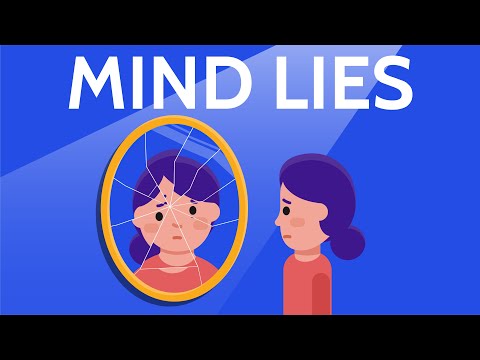
You know, we all have those moments when our thoughts just seem… off. Like, you’re sitting there, and suddenly, your brain spirals into this wild rabbit hole. Seriously, it’s like a mental rollercoaster that no one signed up for!
Ever found yourself thinking that one small mistake ruins everything? Or maybe you think you can read people’s minds? Yeah, these little tricks our minds play can mess with us big time.
It’s pretty wild how often we get caught in these thinking traps. They can really drag you down and mess with your mood. But hey, no worries! We can totally challenge those errors together. It’s all about recognizing them and flipping the script. So let’s untangle some of these thoughts and find a way to feel better!
Overcoming Thinking Errors: A Comprehensive PDF Guide to Mental Health Improvement
Alright, let’s talk about thinking errors. These are those pesky little distortions in our thoughts that can mess with our heads and feelings. You know, like when you think everyone is judging you or that you’ll always fail at something? Totally not true, but somehow, these thoughts feel so real in the moment.
So, here’s a breakdown of some common thinking errors and how to challenge them. This isn’t a magic cure or anything—just some solid strategies to help you navigate your mental health journey better.
All-or-Nothing Thinking: This is when you see things in black and white. If you’re not perfect, then you’re a total failure. Maybe you didn’t ace your test; suddenly, you’re a complete idiot in your eyes! But hey, grades don’t define your worth. Think about all the times you’ve succeeded or learned from mistakes instead.
Overgeneralization: Here we go with making sweeping conclusions based on a single event. Like if you bombed one job interview and now think you’ll never get hired again. That’s heavy! Just because one thing went wrong doesn’t mean every future opportunity will too.
Mental Filter: Picture this: You receive ten compliments but focus only on that one critique. It’s like wearing glasses that only let negative stuff through! Try flipping the script by listing positive feedback alongside any criticism—you might be surprised at how balanced your view can become.
Disqualifying the Positive: This is like having a mental block against accepting good things about yourself or your life. So if someone tells you they love your outfit and you’re like «Nah, it’s just nothing,» that’s a disqualifying thought! Challenge it! Take a moment to actually appreciate what someone has said—you deserve to accept compliments just like anyone else!
Jumping to Conclusions: This one’s tricky because it’s easy to assume things without evidence. Like thinking someone is upset with you because they haven’t texted back right away—maybe they’re just busy! Ask yourself: «What evidence do I have?» Usually, it’ll lead you nowhere fast if you’re jumping without facts.
So how do we tackle these thinking errors? Well, cognitive restructuring is one method therapists often suggest; it involves identifying those distorted thoughts and actively challenging them with logic and reason.
You could even start keeping a thought diary where you jot down when these errors happen—like a personal detective for your mind! We tend to overlook patterns; by writing it down, you’ll see how frequently certain thoughts pop up.
Finally, self-compassion plays an essential role in overcoming these errors too. Be kind to yourself! Everyone makes mistakes or has bad days; it doesn’t make you less valuable.
In the end,
Remember: changing how we think takes practice but helps improve our overall emotional health significantly!
Overcoming Common Thinking Errors in Mental Health: Real-Life Examples and Strategies
So, let’s talk about thinking errors. You know, those sneaky little thoughts that can mess with your head? They’re like that annoying friend who always shows up uninvited. These distorted ways of thinking can really trip you up, especially when it comes to your mental health. A lot of us face them every day, but don’t worry—there are ways to tackle this.
1. All-or-Nothing Thinking
This is when you see things as black or white—like if you’re not perfect, you think you’ve totally failed. So imagine this: you take a test and only get one question wrong. Instead of celebrating the 9 questions you got right, you’re beating yourself up over that one mistake. It’s exhausting! A way to counter this is by recognizing the gray areas in life; try seeing it as «I did well overall» instead of «I totally flunked.»
2. Overgeneralization
This is when one negative event makes you think that everything bad will happen again. Like, maybe you went on a bad date and now you’re convinced you’ll never find love. It feels heavy and lonely, doesn’t it? To fight this thinking, remind yourself of positive experiences too! Maybe keep a little journal where you jot down good moments or relationships you’ve had; they’ll serve as proof that not all experiences are the same.
3. Mental Filtering
Here’s another tricky one—focusing solely on the negatives while ignoring positives. Let’s say your boss says something nice about your project but also points out a mistake; all you can hear is the criticism! This can really weigh on your self-esteem and mood. Try to balance things out by consciously acknowledging positives throughout your day, kind of like making a gratitude list but in real time.
4. Catastrophizing
This one’s wild—you blow something out of proportion until it feels like it’s the end of the world! Picture this: Your friend didn’t text back right away, so naturally you’re convinced they’re upset with you or might even stop being friends entirely! It can spiral quickly! To challenge this thought pattern, ask yourself what evidence supports or contradicts these fears? Usually, reality isn’t as dramatic as our minds make it seem.
5. Should Statements
Ever catch yourself saying “I should” all the time? “I should be happier.” “I should have done better.” These statements create guilt and frustration because they set unrealistically high expectations for yourself that lead to disappointment when unmet. It’s like carrying around a weight that just doesn’t need to be there! Try replacing those ‘shoulds’ with more compassionate statements—like “I’d like to” or “I want to”—to ease some pressure off your shoulders.
In real life, dealing with these errors takes practice and awareness—you know what I mean? Maybe start with just one type at a time so it doesn’t feel overwhelming. Talk it out with someone—a friend or therapist—who can help point them out when they happen.
Remember: Everyone makes mistakes in their thinking from time to time; it’s all part of being human! The key is recognizing those patterns so you can take back control over how they affect your mental health and overall happiness! And hey—give yourself some grace along the way; it’s not always gonna be easy but that’s okay! You’re already doing great just by seeking to understand this stuff better.
Mastering Your Mind: A Comprehensive Guide to Challenging Cognitive Distortions (Free PDF Download)
Cognitive distortions are those pesky thought patterns that can mess with your head. They can make you feel like you’re stuck in a never-ending cycle of negativity. You know, when you think the worst of everything, or you jump to conclusions without any evidence? Yeah, that kind of stuff.
These distortions often show up when you’re feeling low or anxious. They twist reality in a way that feels super real but is actually pretty far from the truth. Understanding and challenging these thoughts is key to improving your mental health.
First off, let’s talk about some common cognitive distortions you might encounter:
- All-or-Nothing Thinking: This is when you see things in black and white. If things aren’t perfect, they’re a total failure.
- Overgeneralization: Here, you take one negative experience and apply it to everything. Like if you bomb one job interview and then think you’ll never get hired again.
- Catastrophizing: This is where you expect the worst possible outcome without any solid reason. For example, if you make a small mistake at work and suddenly feel like you’ll get fired.
- Personalization: You start blaming yourself for things that are out of your control, thinking everything revolves around you.
So, what can you do? Well, it’s all about recognizing these thoughts as they come up and challenging them.
When you’re feeling overwhelmed by negative thinking, try to ask yourself some key questions:
1. Is there evidence supporting this thought?
2. What would I tell a friend who was feeling this way?
3. Is there another way to view this situation?
By actively questioning your automatic thoughts, you’re taking the first steps toward change.
I remember talking to a friend who always felt anxious about social situations—like walking into a party alone; it made her stomach churn just thinking about it! She often thought everyone would judge her for being there solo. But once she started challenging those thoughts with questions like “What’s the evidence?” or “Have I been judged before?” she realized most people were either focused on their own issues or genuinely welcoming.
Challenging cognitive distortions takes practice. But over time, it can shift how you view not just tough situations but life in general! The more aware you become of these thought patterns, the easier it gets to shift toward healthier thinking—like finding gray areas instead of only black and white.
And seriously, if you’re looking for even more help with this stuff through structured resources—a free PDF download could be useful! It’s all about taking those steps towards mastering your mind bit by bit.
You know, when it comes to mental health, a lot of us fall into these thinking traps that can really mess with our heads. I mean, it’s like our minds play tricks on us and we don’t even realize it sometimes. Take my friend Sarah, for instance. She’d often say things like, “I failed this test; I’m such a loser.” Instead of seeing it as a bad day or just one test, she’d spiral into this dark place where she thought she was worthless. That’s the thing about common thinking errors—they can totally skew our reality.
One big one is all-or-nothing thinking. You’re either perfect or you’ve failed completely. For some people—like Sarah—missing one question can feel like the end of the world. If you can take a step back and say, “Hey, that was just one mistake,” it’s like you’re allowing yourself room to breathe and learn.
Then there’s overgeneralization. You know? That tendency to let one bad experience color everything else in your life. If you have a rough break-up and suddenly think “I’ll never find love,” that’s just not fair to yourself! It’s way too limiting and honestly pretty sad if you think about it.
And don’t get me started on catastrophizing! That’s when your mind jumps straight from “this is tough” to “this is going to ruin my entire existence.” I remember when a family member was really sick; I freaked out imagining the worst-case scenarios before we even had any info about what was actually going on. We tend to envision disaster instead of sitting with uncertainty for a moment.
But here’s the kicker: Challenging these thought patterns isn’t easy—it takes conscious effort and practice. Sometimes talking things out with someone who gets it can help too—you know? Just hearing another perspective might make you realize how harsh you are on yourself or how exaggerated your worries are.
So yeah, mental health is all about recognizing those pesky little thoughts that creep in uninvited and flip them on their heads. It can be liberating once you start spotting them—like turning around an old car that hasn’t been driven in ages. It might not happen overnight, but taking those small steps toward better self-talk is definitely worth it!