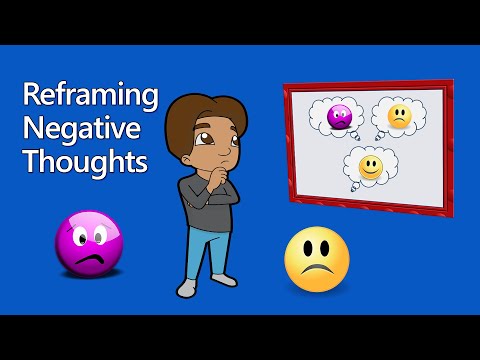
You know how sometimes your brain just loves to spiral? A little worry turns into a huge monster that’s impossible to tame. It happens to everyone, trust me.
But here’s the thing: shifting those pesky thoughts can seriously change your mood. I mean, who doesn’t want to feel a little lighter?
Reframing thoughts is like flipping a switch. Instead of seeing everything through a dark lens, you can adjust the view and spark some positivity.
It’s not magic or anything, but it’s pretty darn powerful. So let’s chat about how you can start changing your inner dialogue and boost your mental health!
Transforming Your Mind: An Example of Reframing Thoughts for Better Mental Health
Reframing thoughts is kinda like giving your brain a little makeover. It’s all about shifting how you think about things to help you feel better. Seriously, the way we interpret situations can have a huge impact on our mental health. Sometimes you might not even realize it, but your mind gets stuck in negative patterns that can weigh you down. So let’s break it down.
What Is Reframing?
It’s basically changing your perspective on a situation. Imagine you just bombed an important presentation at work. You could easily think, “I’m such a failure,” and feel miserable, right? But what if you reframed that thought? You could say, “Okay, this didn’t go as planned, but I can learn from it.” That slight shift can change your whole vibe!
Why Does It Matter?
When you reframe thoughts, you’re not just putting on rose-colored glasses; you’re actually training your brain to focus on the positive. This practice can help reduce feelings of anxiety and depression. Plus, it boosts resilience—a fancy word for bouncing back when life gets tough.
Let’s look at some key points about reframing:
- Awareness: First off, you gotta catch those negative thoughts as they pop up. It’s like playing whack-a-mole! The more aware you are of them, the easier it is to deal with them.
- Challenge Your Thoughts: Ask yourself if that thought is really true. For example, if you’re thinking “I never do anything right,” challenge that by listing things you’ve done successfully.
- Find Alternatives: Look for alternative explanations for what happened. If a friend didn’t reply to your text right away, maybe they were busy and not ignoring you.
- Praise Yourself: When things go wrong or don’t turn out as expected, give yourself some credit for trying! Acknowledging effort over outcome helps build resilience.
Here’s where it gets real: I once had this friend who always saw the glass half empty. One day she missed an important deadline at work and spiraled into self-doubt and anxiety. After chatting with her about reframing thoughts—maybe it was a chance to improve her time management instead of seeing herself as lazy—she started seeing her mistakes as opportunities for growth rather than failures.
Practicing Reframing
Start small—pick one negative thought each day and practice reframing it. Write it down if that helps! Over time these exercises make reframing feel more natural; it’ll become like second nature.
In essence, transforming your mind through reframing is powerful stuff! You’re not ignoring realities; you’re just choosing to focus on solutions instead of problems—a game changer in mental health and wellbeing!
Understanding Reframing in Mental Health: Transforming Perceptions for Better Well-Being
Reframing is like switching on a light in a dark room. It helps you see things from a different perspective, turning negative thoughts into something more positive. Transforming your perceptions can seriously improve your mental well-being.
So, what’s the deal with reframing? Basically, it’s about changing how you think about situations. Instead of focusing on what went wrong, you look at what you can learn or how you can grow. For instance, let’s say you didn’t get that job you really wanted. Instead of thinking, “I’m not good enough,” you might reframe it to “This gives me more time to build my skills for the next opportunity.” See how that little shift makes a big difference?
Here are a few ways to practice reframing:
- Challenge Negative Thoughts: When those yucky thoughts pop up, ask yourself if they’re really true. Often, they’re just fears talking.
- Find the Silver Lining: Look for something positive in tough situations. Maybe that breakup taught you more about yourself.
- Shift Your Focus: Instead of fixating on problems, think about solutions or what’s working well in your life.
Let me share an example. Imagine you’re feeling overwhelmed by work and think, «I can’t handle this.» Reframing that might look like: «This is busy now, but I’ll develop better time management skills through this experience.» This kind of shift can help reduce anxiety and make challenges feel more manageable.
Reframing isn’t just for tough times; it’s also about daily annoyances! Ever been stuck in traffic and felt your blood boil? You could choose to reframe it by saying, “Hey, I’ve got some time to listen to my favorite podcast!» That simple change in thought can turn frustration into an enjoyable moment.
But let’s be real; reframing takes practice. You’re not going to completely flip every negative thought overnight. It’s okay to feel down sometimes; we all do! Just remember that with some conscious effort, those gloomy thoughts might start shifting toward something brighter.
Incorporating reframing into your routine can seriously boost your mental health over time. You might find yourself feeling happier and more resilient when facing challenges. So next time life throws something difficult your way, try and reframe it—your mind will thank you later!
Transform Your Mindset: Practical Examples of Reframing Thoughts for Enhanced Mental Health and Wellbeing
Transforming your mindset can feel like a daunting task, but it’s really about how you look at things, you know? Reframing thoughts is a powerful tool that lets you shift your perspective. Basically, it’s like changing the lens through which you see the world. Instead of focusing on the negative, you learn to spot the silver lining.
Let’s break it down with some examples so it makes more sense:
Now, here’s where it gets real personal. I remember a time when I felt overwhelmed by anxiety before social events. I used to dread them because my brain would whisper that I’d embarrass myself or just feel awkward. But then I started reframing those thoughts into something positive—“This is an opportunity to meet new people and have fun.” Seriously, after practicing that for weeks, my anxiety got way less intense.
Another biggie is self-criticism. It’s easy to fall into that trap of beating yourself up over mistakes: “I’m such a failure.” Instead, try thinking: “I made a mistake; I’m human.” Mistakes are part of learning! By being kinder to yourself this way, you boost your mental health significantly.
Sometimes it helps when you write these reframed thoughts down or say them out loud as daily affirmations—it makes them feel more real and concrete in your mind.
So here’s why reframing matters: It not only lifts your mood but also builds resilience. When life throws curveballs at you—and trust me, it will—you’ll be better equipped to handle them with grace and positivity.
Remember though, reframing isn’t some magical fix; it takes practice and patience. If things feel heavy today, that’s completely okay too! Just know that with time and effort in shifting those pesky thoughts around, it’ll get easier. Your mindset doesn’t have to stay stuck; you’ve got the power to change it!
You know how sometimes your brain just gets stuck in a loop? Like, you’re replaying a mistake you made or worrying about something that might happen, and the more you think about it, the worse it feels? I’ve totally been there. It’s like this endless cycle of negativity. But here’s the thing: reframing those thoughts can really turn things around.
A couple of months ago, I had this moment. I was stressing out over a presentation I had to give at work. I kept thinking, “What if I mess up? What if they don’t like my ideas?” The anxiety was building up inside of me until I felt like I couldn’t breathe. Then it hit me—what if I flipped those worries around? Instead of “What if they don’t like my ideas?”, I thought, “What if they really connect with what I’m saying?” That shift in perspective changed everything.
So, reframing is basically taking those negative thoughts and finding a new angle. Instead of viewing your situation as a disaster waiting to happen, you entertain the possibility that things could go well. It’s not about ignoring the bad stuff; it’s more like adjusting your focus so you can see some light in between the clouds.
I mean, look around—life throws us all sorts of challenges. Whether it’s work stress, relationship issues, or just everyday life feeling overwhelming, our thoughts can really weigh us down. But when you start consciously reframing those thoughts, it doesn’t just help your mood; it can actually improve your mental health overall.
It’s all about practice too! Just like any habit worth building—like eating healthier or exercising—it takes time to get used to changing how you think. So don’t be hard on yourself if it feels awkward at first; that’s totally normal!
So next time your mind starts spiraling into anxiety-ville or frustration-land, pause for a sec and try thinking from another angle. What if things go better than expected? What good might come out of this situation? You might be surprised by how much lighter you feel just by changing your thought patterns a bit!