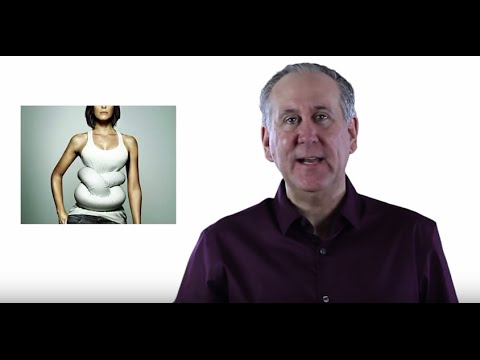
You ever feel like you can’t catch your breath? Like there’s this tight band around your chest?
That’s what some folks call tight diaphragm anxiety. It’s not just a fancy term; it actually comes from some pretty real psychological stuff.
Imagine feeling on edge, and then – bam! – suddenly, you’re struggling to breathe right. It can be super scary.
But here’s the thing: you’re definitely not alone in this, and it doesn’t mean you’re losing it. There are reasons behind it, and we can totally explore those together.
So let’s dive into the why of all that tension and how it connects to your mind. You with me?
Understanding the Connection: Can Anxiety Cause Tightness in Your Diaphragm?
Anxiety, seriously, it can mess with you in ways you might not expect. One of those surprises is how it can create a tightness or discomfort in your diaphragm. If you’ve ever felt like you can’t fully catch your breath when you’re anxious, you’re not alone.
The diaphragm is this dome-shaped muscle right under your lungs. It plays a huge role in breathing by contracting and relaxing as you inhale and exhale. So when anxiety kicks in, it can cause that muscle to tense up. It’s like your body is gearing up for a fight or flight response—even if there’s no real threat around.
When you’re anxious, your sympathetic nervous system goes into overdrive. This system is part of our body’s automatic response to danger; it’s what makes our heart race and our breath quicken when we’re stressed out. With the diaphragm being so closely tied to breathing, this heightened state can lead to what feels like tension or even pain there.
- The physical symptoms of anxiety can include that tight feeling in the chest or shortness of breath.
- Tightness in the diaphragm can further trigger more anxiety—a vicious little cycle.
- If you’re already feeling anxious, it’s normal for your muscles to tighten automatically—it’s just how your body reacts!
Now, think about someone dealing with performance anxiety before a big presentation. They might feel their heart pounding and notice that tightness creeping into their diaphragm. This physical reaction often enhances their worry about not being able to speak properly or feeling lightheaded on stage.
So what’s the takeaway here? Well, being aware of this connection between anxiety and diaphragm tightness can help you understand what’s happening inside you during stressful moments. It’s a sign that maybe it’s time to take a step back and breathe—literally! Focusing on deep breathing exercises could help relax both your mind and that tense muscle.
You know what’s cool? Finding ways to manage anxiety doesn’t only ease the mental load but also helps physically too! Whether it’s therapy, meditation, or breathing techniques, tackling stress can really make a difference—and help loosen up that tight diaphragm.
Remember too: everyone experiences these symptoms differently. If you’re feeling persistent discomfort or worry about it all the time, talking with a professional might be really beneficial.
Understanding Tight Diaphragm Anxiety: Insights and Support from Reddit Discussions
Tight diaphragm anxiety can be a tricky little beast. So, what exactly is it? Basically, when you get super anxious, your body can respond in ways that feel really uncomfortable. One of those responses might be a tightness in your diaphragm, which is the muscle that helps you breathe. You know that feeling when you’re stressed and it feels like you’re running out of air or you just can’t take a deep breath? Yep, that’s it.
People on Reddit often share how this tightness can feel like an elephant sitting on their chest. It’s not just about feeling anxious; it affects the way you breathe and can make everything feel more intense. The thing is, when you’re anxious, your brain sends signals to tighten your muscles, including the diaphragm. This creates a vicious cycle: anxiety causes tightening, which leads to more anxiety.
There was this one person who shared about how they felt perfectly fine until they started thinking about their breathing while lying in bed at night. Suddenly, their diaphragm felt like it was in a vise! This awareness turned into panic because they couldn’t shake off the thought of not being able to breathe properly.
This sort of hyper-awareness can lead to what some call “catastrophizing.” You might think about how this tightness could mean something serious—like an impending heart attack—when really it’s just your body reacting to stress. That kind of thinking plays tricks on our mind and keeps us stuck in that panic loop.
Breathing exercises are also mentioned quite frequently as a way to manage those feelings of tightness. It’s simple but effective! Focusing on slow and deep breaths can signal to your body that it’s safe to relax.
If you’re dealing with persistent tight diaphragm feelings, talking to a mental health professional might be beneficial too. Therapy approaches like Cognitive Behavioral Therapy (CBT) often help by reshaping negative thoughts and reducing anxiety responses.
Remember though; managing tight diaphragm anxiety isn’t always about finding quick fixes but rather understanding what triggers you and exploring ways to cope with those triggers over time! Sometimes even small changes in daily habits—like regular exercise or mindfulness practices—can make a huge difference in reducing overall anxiety levels.
So yeah, if you’re feeling this way, know you’re not alone! There are folks out there who totally get it and support is just around the corner if you reach for it.
Effective Techniques to Loosen a Tight Diaphragm Muscle for Better Breathing and Relaxation
Alright, let’s chat about something that can really mess with your breathing and make you feel anxious: a tight diaphragm muscle. Seriously, it’s pretty common for folks dealing with stress or anxiety to experience this. When your diaphragm gets tight, breathing can feel shallow and labored, which just adds to the whole anxiety vibe.
Your diaphragm is that dome-shaped muscle right under your lungs. It plays a super important role in how you breathe. When you’re stressed or anxious, it tends to tighten up. And when that happens, you might find yourself feeling even more tense or panicky.
So what can you do about it? Here are some effective techniques:
- Deep Breathing Exercises: Basically, the trick here is to focus on taking deep breaths that engage your diaphragm instead of just your chest. Inhale slowly through your nose for a count of four. Hold for a second, then exhale through your mouth for another four counts. Repeat this several times. It’s like giving yourself a little hug from the inside!
- Stretching: Doing some gentle stretches can help release tension in the diaphragm. Try lying on your back with your knees bent and feet flat on the floor. Then gently drop your knees from side to side—this simple movement can loosen things up and make breathing easier.
- Pursed-Lip Breathing: This technique is simple yet effective! Breathe in through your nose for two counts, then purse your lips as if you’re going to whistle and exhale slowly for four counts. It helps control your breath and keeps that diaphragm from getting too tight.
- Meditation and Mindfulness: Spending a few minutes each day in quiet meditation or mindfulness helps calm the mind and body. Focus on how each breath feels filling up your belly instead of just moving in and out of your chest.
- Please don’t forget posture: Seriously! Sitting or standing up straight allows better lung expansion. Slouching can make everything feel tighter. Think about rolling those shoulders back every once in a while.
I remember when I was feeling overwhelmed—every single breath felt like I was trying to suck air through a straw! Once I started incorporating these techniques into my day-to-day routine, things changed so much; I felt lighter and calmer overall.
The thing is: anxiety often feeds off physical symptoms like tightness in the body. Releasing some of that tension not only helps with breathing but can also give you mental clarity—like turning down the noise around you.
If you’re consistently feeling tightness despite trying these techniques, it might be worth checking in with a therapist or counselor who specializes in anxiety issues—you know? Sometimes having someone guide you through those emotional roots really makes all the difference!
Your body wants to relax; it just needs a little help sometimes! Remember to be patient with yourself as you’re working on this!
You know when you get that tight feeling in your chest, and it’s like you can’t catch your breath? Yeah, that’s what some folks mean when they talk about tight diaphragm anxiety. It’s not just physical; there’s a lot going on emotionally and psychologically behind it.
So, imagine Sarah, a 30-something creative who’s always juggling work deadlines and personal stuff. One day she finds herself in the middle of a meeting when suddenly the room spins a bit, and she feels this heavy weight pressing down on her chest. Panic sets in because she thinks she might be having heart issues. But really? It’s just her diaphragm tightening up under stress.
The thing is, when you’re anxious, your body reacts—your muscles tense up, your breathing becomes shallow, and before you know it, that tightness becomes almost a companion in daily life. It’s like your brain has this constant low-level alarm going off about perceived threats or worries—jobs, relationships, or whatever else is swirling around inside your head.
What many don’t realize is that anxiety often connects to deeper psychological roots. Maybe past experiences shape how intensely we react to stress now. Sarah’s upbringing was filled with high expectations and pressure to «succeed.» That’s heavy baggage to carry! Those early experiences can plant seeds for anxiety that might keep sprouting later on.
And here’s where it gets interesting: our bodies are basically telling us stories through these physical sensations. That tight diaphragm doesn’t just pop up out of nowhere; it communicates something deeper—a fear of not being good enough or feeling overwhelmed by responsibilities.
Recognizing this connection between the mind and body can really change things up. For Sarah, understanding that her tight chest isn’t just a symptom but also a signal helps her approach her anxiety differently. Instead of panicking further, she starts practicing some breathing exercises or mindfulness techniques to ease those feelings.
So yeah, while that tight diaphragm might feel like an enemy at first glance—like seriously annoying—you can think of it as a little nudge from your mind reminding you to check in with yourself emotionally and mentally too. After all, navigating anxiety isn’t just about managing symptoms; it’s also about understanding the story behind them!