You know those days when your mind feels like it’s racing a million miles an hour? Yeah, we’ve all been there. Stress, anxiety, worries—sometimes it can really pile up, right?
But what if I told you there are simple tricks to help anchor you in the moment? Seriously! It’s called grounding.
These techniques can pull you back from that mental chaos and bring some calm into your life. It’s not magic, but it works.
So, let’s chat about some super easy ways to get grounded and boost your mental wellbeing. You might just find a new go-to tool in your toolbox!
Essential Grounding Techniques: Downloadable PDF Guide for Mental Wellness
Grounding techniques can be super helpful when you’re feeling overwhelmed or anxious. They’re all about pulling your focus back to the present moment, which can seriously help you find your balance again. There are a bunch of methods you can try, and I’ll break down a few here.
What are Grounding Techniques?
Basically, grounding techniques help you reconnect with the here and now. They can be especially useful during moments of panic, stress, or when your thoughts start to spiral out of control. You’re bringing yourself back to reality—like hitting pause on a chaotic movie.
Why Use Grounding Techniques?
You might want to use these strategies when you feel overwhelmed by emotions, memories, or anxiety. Sometimes life just throws way too much at you at once. Maybe it’s work stress, relationship drama, or just the weight of everything going on in the world. Grounding helps center you and lets those feelings settle down a bit.
So here are some popular grounding techniques that might help:
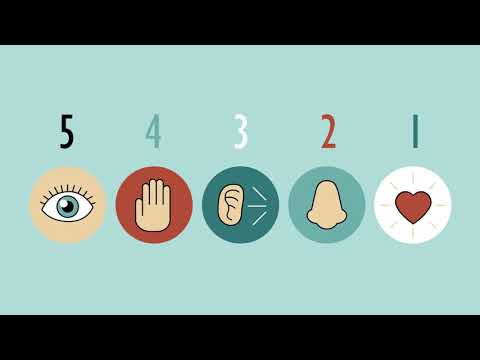
- 5-4-3-2-1 Technique: This is about using your senses to bring yourself back. You identify five things you can see, four things you can touch, three things you can hear, two things you can smell, and one thing you can taste.
- Deep Breathing: Just breathe in deeply through your nose for four counts, hold for four counts, and then exhale slowly through your mouth for four counts. Feels good to get those lungs working!
- Physical Movement: Get up and move around! Stretching or even just walking helps ground you in your body again. You might feel lighter after a little wiggle.
- Meditation: Just take a few minutes to meditate and focus on your breath or visualize something calming—like a beach or forest.
- Journaling: Writing down how you’re feeling right then and there can act like a mental declutter. It’s like taking out the trash in your mind.
Anecdote Time!
I remember this one time my friend was stressing out before a big presentation at work. She felt completely lost in her thoughts; it was like watching someone drown in ideas! I suggested she try the 5-4-3-2-1 technique right before going into the meeting room. When she came out afterward—totally calm—I knew it helped her snap back into reality.
So yeah, grounding techniques don’t solve all problems but they’re super helpful tools for managing tough moments when life feels heavy on your shoulders. The cool part is that they work for everyone differently; experiment with different ones until something clicks for you.
If you’re looking for a downloadable PDF guide on these techniques? Well that’s pretty common nowadays! You could find resources online that provide structured formats for practicing grounding methods more regularly. But remember: it’s all about finding what works best for *you*!
Essential Mindfulness Grounding Techniques: Download Your Free PDF Guide
Mindfulness grounding techniques are super helpful tools when you want to stabilize yourself in the here and now. They’re like an anchor for your mind, especially when emotional storms hit. So, let’s break down a few essential grounding techniques that can really make a difference in your mental wellbeing.
First off, what is grounding? Well, it’s all about connecting with the present moment and your surroundings. This can help pull you out of overwhelming feelings or anxious thoughts. Seriously, it’s a game changer.
1. The 5-4-3-2-1 Technique
This technique involves using your senses to reconnect with reality. You simply name:
- 5 things you can see: Look around and pick out five things you didn’t notice before, like a clock ticking or the color of a chair.
- 4 things you can touch: Maybe it’s the texture of your shirt or something cool like a smooth rock.
- 3 things you can hear: This could be the sound of the wind or even distant chatter.
- 2 things you can smell: If nothing is around, remember scents from your favorite places.
- 1 thing you can taste: It might be coffee left on your tongue or just the air.
I remember one time feeling overwhelmed at work—my boss had just dropped a mountain of tasks on my desk. I took a moment to look around and practiced this technique. Honestly? It helped me reset my mind almost instantly.
2. Deep Breathing Exercises
Breathing sounds simple but trust me, it works wonders! Try this: inhale slowly for four counts, hold that breath for four counts, then exhale for six counts. Repeat that until you feel yourself calm down.
You know how sometimes life feels like it’s just running too fast? Taking those deep breaths slows everything down.
3. Body Scan
A body scan is where you mentally check in with each part of your body from head to toe (or vice versa). Start at the crown of your head and move down to your toes—notice any tension as you go along and intentionally relax those areas.
I once did this while waiting at an airport, feeling totally frazzled after missing my flight. Focusing on my body helped me find some peace amidst all that chaos.
4. Grounding Objects
Something as simple as holding onto an object can bring comfort when you’re feeling off-balance. This could be anything—a smooth stone or even stress ball—something tangible that helps ground you back to reality.
Whenever I felt anxious during classes in college, I’d keep a small crystal in my pocket just to hold onto during tough moments.
Each one of these techniques is all about finding what works best for *you*. So don’t hesitate to try different ones until something clicks! Mindfulness grounding isn’t one-size-fits-all; think of it instead like trying on clothes—you have to find what fits comfortably.
So if you’re curious about these techniques, give them a try! They might just help bring a little bit more calm into your day-to-day life without needing anything fancy or complicated.
Effective Grounding Exercises for Group Settings: Enhance Mental Well-Being Together
Grounding exercises can be a really helpful way to enhance mental well-being, especially when you do them as a group. They can create a sense of connection and help everyone feel more centered. So let’s break down some effective grounding techniques you can try together.
What is Grounding?
Grounding techniques help anchor you in the present moment. They can reduce anxiety, improve focus, and even calm racing thoughts. And when done in a group, they foster support and mindfulness within the team.
1. The 5-4-3-2-1 Exercise
This exercise is simple yet powerful. Everyone takes turns identifying:
- 5 things you can see: Look around the room or outside.
- 4 things you can touch: Feel your chair, the ground, or your clothes.
- 3 things you can hear: Maybe someone’s talking, perhaps there’s music playing.
- 2 things you can smell: If nothing’s around, think of your favorite scents!
- 1 thing you can taste: Just think of a flavor or pop something in your mouth!
Getting everyone involved makes it more engaging.
2. Group Breathing Exercises
Breathing together is super calming. You could use a simple pattern: inhale for 4 counts, hold for 4 counts, then exhale for 4 counts. Repeat this several times while everyone focuses on their breath rather than their stressors. When people are breathing as one unit, it creates a shared space of tranquility.
3. Mindful Movement
Engaging in gentle movement like stretches or yoga poses not only gets your body moving but helps release tension too! Try standing in a circle and doing shoulder rolls together or stretching up high like trees swaying in the wind. It connects both body and mind and encourages laughter when someone wobbles!
4. Grounding Objects
Bring objects that have personal meaning to each person—like stones or crystals—and pass them around to share why they chose that particular item. This game builds trust while grounding everyone in shared experiences.
The Power of Sharing Experiences
After doing any exercise, take some time to sit together and talk about how those methods felt for each person. Seriously! Hearing others express their feelings allows for deeper connections and helps reinforce the practice itself.
Incorporating these grounding exercises into group settings not only enhances mental well-being but also brings people closer together through shared experiences and supportive atmospheres!
You know those moments when your mind starts racing, and you feel like you’re spiraling? Yeah, we’ve all been there. Sometimes, the noise in our heads gets so loud it’s tough to focus on anything else. It’s like you can’t catch your breath because everything feels overwhelming. Seriously, I once sat in a coffee shop, trying to ignore the chaos of my thoughts swirling around like a tornado. It was a bit much.
That’s where grounding techniques come into play. They’re like little life rafts for your mental wellbeing—helping you stay anchored when everything else feels wobbly. Grounding is all about bringing yourself back to the present moment and reconnecting with what’s real and tangible around you. It’s pretty simple but can be super effective.
For instance, have you ever tried focusing on your surroundings? Like, pick an object near you—a coffee cup or a piece of art on the wall—and really observe it. Notice its colors, shapes, textures… whatever catches your eye. This simple act can bring some clarity and help pull you out of that anxious spiral.
Another technique people swear by is the 5-4-3-2-1 method; it’s kind of cool. You identify five things you see, four things you can touch, three things you hear, two things you can smell (even if they’re faint), and one thing you can taste. It sounds simple enough, right? But seriously, it pulls your focus away from worry and into what’s happening right now.
Breathing exercises are also a gem when it comes to grounding yourself. Deep breathing helps calm that racing heart of yours! You could try inhaling slowly for a count of four, holding for four counts again, and then exhaling for six counts—kind of like in through the nose and out through the mouth—you know?
And hey, don’t underestimate getting outside—nature has this magical way of soothing our minds. Just walking barefoot on grass or listening to birds chirping while feeling the sun on your skin is like instant therapy.
I guess what I’m saying is that grounding techniques aren’t just filler advice; they genuinely help create space between those chaotic thoughts so you can breathe easier again! They remind us that even amid confusion or stress—there’s always something solid to hold on to. And honestly? That little bit of peace makes a world of difference in our mental health journey.