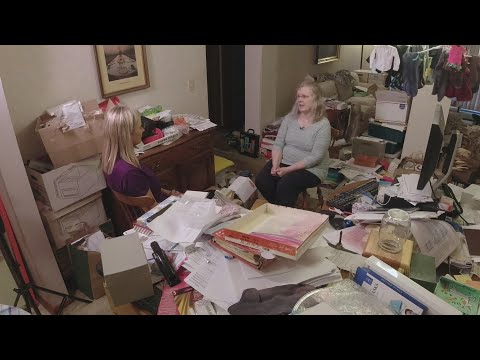
You ever find yourself scrolling through those wild hoarding shows? It’s like, wow, people really hold onto some things, right? But there’s way more behind that than just wanting to keep old stuff.
Imagine this: someone’s got ten years worth of newspapers crammed in their living room. You might think, “Why not just toss that?” But trust me, it’s not that simple.
Hoarding isn’t just a quirky habit. It’s a complicated mix of emotions and experiences. It can be tough to wrap your head around why someone clings to things when it seems so obvious to just let go.
So, let’s dig into the psychology behind it. What drives someone to live in a maze of clutter? You might be surprised at what we discover together.
Understanding Hoarding: Key Psychological Issues and Their Impact
Hoarding can feel like a tricky topic, but at its core, it’s about holding on—sometimes too tightly—to stuff. You might notice piles of newspapers, stacks of clothes, or all sorts of things that just seem to pile up. It’s not just a quirky habit; it’s often tied to deeper psychological issues that can impact someone’s daily life and relationships.
People who hoard often struggle with emotional attachment to their belongings. Each item might represent something significant: memories, missed opportunities, or even feelings of safety. For instance, imagine someone who saved every birthday card they’ve ever received because those cards remind them of love and connection. But when those saved items take over the space around them, it creates a different problem—one where their living area becomes more like a maze than a home.
A big part of hoarding is the feeling of anxiety when thinking about getting rid of things. You know how sometimes you hold onto something because you think you might need it later? For hoarders, this feeling can become overwhelming. They might say things like “But what if I need this old lamp someday?” And it’s not just stuff; it’s tied to fears of loss and uncertainty.
There’s also the issue of perfectionism. Some people feel they have to hold onto items until they can find the perfect use for them or think they’ll regret letting go. This mindset makes decisions about what to keep and what to toss super tough and keeps the clutter coming in.
Then there are memory problems. Hoarding is often linked with conditions like anxiety disorders or depression. Sometimes it becomes harder for folks to remember why they were keeping something in the first place. They just know that letting go feels wrong or scary.
Living in chaos has its price too! It often leads to social withdrawal because inviting friends over can feel embarrassing. Imagine having friends over but being too ashamed about the mess—you’d probably cancel plans without even thinking twice! This isolation only worsens feelings of loneliness and sadness.
Success in addressing hoarding doesn’t come overnight; it needs time and patience. Therapy is one common way folks find help, especially cognitive-behavioral therapy (CBT). It’s where you challenge those thoughts that lead you to hold onto everything instead of giving yourself permission to let some things go.
So while hoarding might seem like just clutter, there’s so much more behind it—the emotions, fears, habits—all interwoven into someone’s life story. If you notice yourself or someone you care about starting to struggle with these issues, know that there are ways out and support available!
Understanding the Psychological Barriers: Why Hoarders Struggle to Let Go
Hoarding is one of those things that might seem a bit weird at first. You know? Like, why can’t they just throw stuff away? But the truth is, there’s a lot more going on under the surface. Let’s dig into some of those psychological barriers that make it so tough for hoarders to let go of their possessions.
Emotional Attachment
One major reason hoarders can’t part with their stuff is emotional attachment. For them, every item tells a story or holds a memory. It’s like their personal history wrapped up in junk. Imagine someone who’s kept all their childhood toys—you know, each one is like a little time capsule! It’s hard to see them as just objects.
Fear of Loss
Then there’s the fear of loss that can grip people who hoard. Think about it; if you toss something out, what if you need it later? This fear can paralyze decision-making. It’s not just about items; it feels like losing control over your life.
Shame and Stigma
Let’s not ignore shame either. Hoarders often feel judged by others for their living conditions. You might think they simply don’t care, but many feel deeply ashamed about how they live. They could be worried about how family or friends will react, which only adds to their struggle to let go.
Difficulties with Decision-Making
Another barrier comes from difficulties in decision-making and organization skills. It sounds simple enough to sort through clutter, but for someone who hoards, making choices becomes overwhelming. They might freeze up when faced with what seems like an endless pile of stuff.
Coping Mechanism
For some people, hoarding serves as a coping mechanism for dealing with anxiety or trauma. It’s like a fortress built around feelings of insecurity or past experiences that were tough to handle. Each item becomes a layer of protection against future emotional pain.
Lack of Insight
Sometimes there’s also a lack of insight into their behavior. Many hoarders aren’t fully aware that they have a problem at all! You could mention it casually—that you think something needs to change—but they might genuinely not see how serious things are.
In short, understanding why hoarders struggle to let go requires compassion and patience because each situation is unique and complex—filled with layers that take time to peel back!
Understanding the 5 Stages of Hoarding: A Comprehensive Guide to Recovery
Hoarding can be a really tough thing to deal with, both for the person who is hoarding and their loved ones. It’s often more than just keeping a lot of stuff; it’s tied to deep-rooted emotional issues. Let’s break it down into five stages, so we can better understand the journey towards recovery.
Stage 1: Awareness
In this stage, you might not even realize there’s a problem. You just think you’re collecting things or saving items for «the future.» Others around you might start noticing that your living space is becoming cluttered, but you’re in denial sometimes. “It’s not that bad,” you might find yourself saying.
Stage 2: Recognition
Here comes the moment of realization. Maybe someone close to you expresses concern, or you see a TV show about hoarding and suddenly feel like they’re talking about your life! You begin to understand that your habits could be affecting your relationships and overall well-being.
Stage 3: Acceptance
Alright, so now you get it—you have a hoarding issue. This can be really tough because acceptance means facing some uncomfortable truths about why you hold onto things. Think of it this way: each item has a story or memory attached to it; letting go can feel like losing part of yourself.
Stage 4: Seeking Help
Now, this is where things can really turn around! You might reach out for help from friends or mental health professionals. Therapy becomes crucial here, because someone trained can help unpack those feelings driving the hoarding behavior. It’s like opening up a box of emotions you’ve kept hidden.
Stage 5: Recovery
Finally, we hit recovery! This isn’t just tossing out old newspapers; it’s an ongoing process of learning how to manage your urges and developing healthier habits around possessions. You might find joy in decluttering over time—realizing that less stuff sometimes equals more peace.
Recovery from hoarding isn’t linear—it has its ups and downs. There will be good days when you’re feeling strong and confident; on other days, old habits may creep back in like uninvited guests at a party! Patience is key here.
Moreover, remember that every small step counts! Whether it’s clearing out one drawer or talking with someone about your feelings toward the items you own—you’re moving forward.
So next time you see someone struggling with hoarding—or if it’s you—know that understanding these stages can make such a difference in helping navigate through those turbulent waters towards recovery and healing.
You know, when you think about hoarding, it’s easy to picture someone buried under piles of newspapers or old takeout containers. I mean, it’s kind of a cliché at this point, right? But behind that messy exterior, there’s so much more going on. Seriously.
So, let’s take a moment to think about why someone would hold onto all that stuff. Hoarding isn’t just about being disorganized or lazy; it often stems from deeper psychological struggles. A lot of people who hoard might have issues with anxiety or depression. They hold onto things because they believe those items give them security or comfort in a world that feels overwhelming. That makes sense, doesn’t it?
I remember chatting with a friend whose relative struggled with hoarding. It was heartbreaking to see how her family tried so hard to help but often ended up frustrated and confused. Her relative would get so attached to little trinkets—stuff that seemed useless to the rest of us—because they represented memories and moments she didn’t want to lose. Can you imagine feeling like every item is tied to your identity? That’s heavy!
Sometimes, it can also be rooted in trauma or loss. Like if someone experienced significant loss in their life—maybe a loved one passed away—or even something less dramatic but still impactful like moving frequently as a kid, they might cling to possessions as a way of coping.
There’s also this whole cognitive aspect where people struggle with decision-making. Deciding whether to keep or toss something can feel monumental for them, almost paralyzing! The fear of making the wrong choice can lead them to just hold onto everything instead.
And let’s not forget the social stigma around hoarding; it makes it even tougher for folks dealing with these issues! They feel judged and isolated, which only worsens their struggles.
At the end of the day, hoarding is more than what meets the eye—it reflects deep emotional battles that people are fighting silently. If we could just look past the clutter and understand what someone is going through emotionally, maybe we’d approach them with more compassion and patience instead of judgment.
It really opens up a conversation about mental health, right? We all have our struggles in some way; understanding theirs might help us better support each other through our own chaotic moments in life.