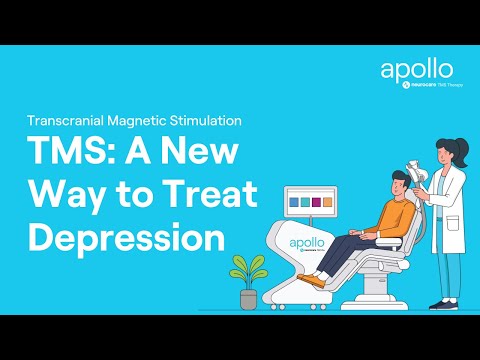
So, let’s chat about something called TMS therapy. Ever heard of it?
It’s like this fresh way to tackle depression. Seriously, there are folks out there who feel stuck in a loop, and this could be the key to getting some relief.
Imagine waking up one day and feeling a little lighter—like the clouds have finally parted. Sounds nice, right?
I mean, dealing with depression can be rough. It’s like carrying around a backpack full of bricks all day long. But what if there was a way to lighten that load?
That’s where TMS comes in. It’s not your typical treatment; it’s kinda unique and has been giving people some hope. So, why not dig a little deeper into what makes this therapy so intriguing?
Exploring TMS Therapy: Can It Effectively Alleviate Depression Symptoms?
So, let’s talk about TMS therapy, which stands for Transcranial Magnetic Stimulation. Sounds a bit sci-fi, right? But it’s actually a pretty cool approach to treating depression, especially for folks who haven’t found relief with traditional treatments like meds or therapy.
What Is TMS Therapy?
TMS is a non-invasive procedure. Essentially, it uses magnetic fields to stimulate nerve cells in the brain. Imagine it like using a little magnet to wake up parts of your brain that might be snoozing on the job when it comes to mood regulation.
You sit in a comfy chair while a device sends magnetic pulses through your skull and into your brain. It targets areas that are often underactive in people dealing with depression. These pulses can help improve communication in those areas and increase the production of neurotransmitters, which are like the brain’s messengers.
How Effective Is It?
Studies have shown that TMS can be effective for many individuals. Some research indicates that about 50-60% of people who receive TMS see some improvement in their symptoms. That’s not bad, considering how stubborn depression can be! And for those who respond well, it often means feeling lighter and more hopeful.
There’s this story I remember about someone named Sarah. She had been struggling with depression for years. Meds made her feel fuzzy or just didn’t work at all. After trying TMS, she started noticing changes by the fourth session—less cloudiness and more energy! It was like someone flipped a switch for her.
Who Can Benefit?
Not everyone will benefit from TMS though. It usually works best for folks diagnosed with major depressive disorder who’ve tried at least one antidepressant without success. If you’re looking into this option, chatting with a healthcare professional is key.
What’s The Process Like?
The process typically involves multiple sessions over several weeks—often five days a week for about four to six weeks. Each session lasts around 20-40 minutes (so you could squeeze it into your lunch break!). You might feel some tapping or tingling sensations during treatment but no pain—it’s generally well-tolerated.
Afterward, most people can jump back into their day without any downtime. How convenient is that?
Any Side Effects?
Like any treatment, there are potential side effects to consider, although they tend to be mild compared to some medications. You might experience headaches or discomfort at the site of stimulation temporarily but nothing too crazy.
The Bottom Line
TMS therapy offers hope as an alternative treatment for depression when other options haven’t worked out so well. While it’s not a magic bullet (and nothing really is), many find real relief through this innovative method.
If you’re feeling stuck or know someone who is battling with persistent depression that isn’t responding to other treatments, TMS could be worth looking into together with their healthcare provider.
So yeah—TMS has definitely made waves in the mental health field as another tool in our toolbox!
Understanding Out-of-Pocket Costs for TMS Therapy: A Comprehensive Guide
Alright, so let’s talk about the out-of-pocket costs for TMS therapy, which stands for Transcranial Magnetic Stimulation. This treatment’s like a ray of hope for folks dealing with depression, especially when other treatments haven’t worked. But the thing is, understanding how much you might have to pay can get a bit tangled up.
First off, you should know that **TMS isn’t cheap**. It’s typically priced between $300 to $500 per session. So yeah, that can add up real quick! Let’s say you need about 20 sessions—well, you could be looking at a bill of around $6,000 at the high end. Wow, right?
Now let’s break this down into some key points to help you navigate these costs:
- Insurance Coverage: Some insurance plans do cover TMS therapy. But not all will foot the bill completely. It really depends on your plan and whether it considers TMS a medically necessary treatment.
- Pre-approval: Before diving in, check if your insurance requires pre-approval for TMS therapy. Sometimes they might want you to try other therapies first or provide proof that previous treatments didn’t work.
- Deductibles and Copays: If your insurance does cover it, expect to pay deductibles and copays along the way. This means even if they cover part of the cost, you’re still on the hook for some amount.
- Payment Plans: Many clinics offer payment plans. This might lighten the load because instead of paying everything upfront, you could chip away at it monthly.
- Financing Options: Some places partner with financing companies that allow you to take out loans specifically for medical treatments like TMS. Just remember that interest rates can vary!
So think about this: *you find a great clinic*. They’re super nice and make you feel comfortable—definitely important when dealing with mental health stuff! But then when it comes time to pay? You realize they don’t take your insurance or there’s a huge deductible.
This feels like getting slapped in the face after scoring an awesome meal! But hey—don’t lose heart! There are resources out there like financial counselors who can help break it down and help minimize those surprise bills.
Make sure to also look into **flexible spending accounts (FSA)** or **health savings accounts (HSA)** if you’ve got them; they let you use pre-tax dollars for medical expenses. So it’s kind of like finding extra cash hidden under your couch cushions—but way more legit!
Finally, always ask questions! Talk to your healthcare provider about what options exist based on your financial situation. They can help direct you toward resources or programs that could ease some of those costs.
In short, navigating out-of-pocket costs for TMS therapy is kind of like walking through a maze—lots of twists and turns but totally manageable with some planning and help along the way! Whether you’re exploring options or just checking things off your list, staying informed makes all the difference.
Understanding TMS: How Long Does It Take to Start Seeing Results?
TMS Therapy, or Transcranial Magnetic Stimulation, is becoming known as a solid option for people struggling with depression, especially when traditional treatments haven’t worked. But one question that often pops up is: How long does it take to start seeing results? It’s a fair question considering how much we all just want to feel better, right?
Well, here’s the deal. TMS therapy usually involves several sessions over a span of weeks. Most clinics recommend about 20 to 30 treatments over four to six weeks. So, if you’re looking for a quick fix, you might need to adjust your expectations.
Now, let’s get into the nitty-gritty of timing. Many patients start noticing changes after just a few sessions—anywhere from two to four weeks in some cases. But this can vary from person to person! Some folks might feel relief sooner, while others might take longer to notice any shift at all.
Here are a few factors that can influence how long it takes before you see changes:
- Individual Response: Everyone’s brain is wired differently. What works for one person might not work the same way for another.
- Severity of Depression: If you’ve been dealing with deep depression for a long time, it might take longer for TMS to have an effect.
- Consistency of Treatment: Sticking to your schedule and showing up for each session can make a big difference in how quickly you see results.
- Additional Therapies: Combining TMS with other treatments like therapy or medication may speed things up for some people.
To give you an emotional angle here: imagine Sarah, who had been navigating her way through the fog of depression for years. After starting TMS therapy and attending each session without fail, she noticed her mood lifting gradually by week three. She started enjoying walks again and laughing at silly jokes—little things that seemed impossible just weeks earlier.
But on the flip side, there are folks like Tom who didn’t see significant changes until after week five. It was tough waiting; he felt frustrated sometimes and wondered if it was even worth it. But patience played off eventually as he found himself feeling lighter and more engaged with life.
Also important? Don’t forget about follow-ups! Once your treatment wraps up, many places will suggest maintenance sessions every few months as a preventive measure against relapse.
In summary: TMS therapy can start showing positive effects anywhere from two weeks to five or more, depending on various factors like individual brain chemistry and treatment consistency. Just be kind to yourself during this process—you’ve got this!
You know, depression can feel like this heavy fog that just doesn’t lift, right? And sometimes, even when you try all the usual stuff—therapy, meds—it can feel super frustrating. That’s where TMS therapy comes in. It stands for Transcranial Magnetic Stimulation, and it’s like this shiny beacon of hope for folks who are really struggling.
Let me tell you a story. I have a friend named Sarah who dealt with depression for years. She tried everything: therapy sessions that left her drained, medications with side effects that felt worse than the blues themselves. One day, she stumbled upon TMS therapy. At first, she was skeptical; I mean, who wouldn’t be? Honestly though, she was running out of options and willing to give it a shot.
So she went to this clinic and they explained how TMS works—basically it uses magnetic fields to stimulate nerve cells in the brain. Sounds sci-fi-ish, right? But there’s research backing it up! After a few sessions, Sarah started feeling lighter. Like the fog was finally beginning to clear! She said it was like someone flipped a switch in her head.
It’s not some magic bullet or anything; it’s not gonna solve all your problems overnight. But for Sarah—and many others—it’s been a game changer. She felt more like herself again after years of feeling stuck. It’s pretty amazing how something so simple can spark such change.
But here’s the thing: not everyone responds the same way to TMS therapy. What works wonders for one person might not do the trick for another—kind of like finding the perfect pair of jeans! Still, having more tools in our mental health toolbox is crucial.
So if you or someone you know is feeling weighed down by depression and have tried everything else without much luck—maybe take a look at TMS therapy as an option? Just remember to chat with your doctor or therapist about it first; they’ll help guide you on what might work best for you.
In this ever-evolving journey of mental health care, it’s comforting to know there’s always some new hope around the corner!