Hey! So, let’s talk about something a lot of us deal with: depression. It can really feel like a fog you’re stuck in, right? And finding the right help can be a maze.
Now, I’ve been hearing more and more about this thing called TMS therapy. Sounds fancy, huh? But basically, it’s a cool way to treat depression without all the side effects of meds.
You might be wondering if there are local options out there for you. Well, I’m here to breakdown what TMS is all about and how it could totally change your game. Stick around; you’re gonna want to know this!
Exploring TMS Therapy: Can It Effectively Treat Depression?
TMS therapy, or Transcranial Magnetic Stimulation, is this nifty treatment that’s been getting a lot of buzz lately for tackling depression. Like, seriously, people are curious if it actually works. So let’s break it down together.
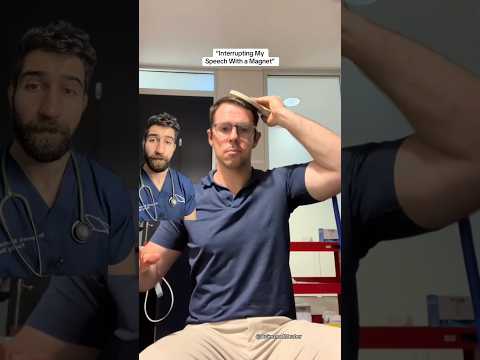
The way TMS works is pretty cool. It uses magnetic fields to stimulate nerve cells in your brain, particularly in areas that affect mood. Basically, this means it zaps those brain cells into action without needing any surgery or meds. You just sit there while a device sends magnetic pulses to your head. Pretty chill, right?
Now, you might be wondering about its effectiveness. Studies say TMS can really help some folks with major depressive disorder who haven’t found relief with traditional treatments like meds or talk therapy. Many patients report improvement after a series of sessions—typically around 20 to 30 treatments over several weeks.
Here’s the thing: the results can vary from person to person. Some people feel much better and even experience long-lasting relief, while others might not notice much change at all. It’s kind of like when you try a new workout routine: some people get ripped; others struggle to see results.
If you’re considering looking into local TMS therapy options, here are a few things you should keep in mind:
- Consultation: You’ll usually start with a consultation where professionals evaluate your situation and see if TMS is right for you.
- Insurance Coverage: Check if insurance will cover the treatment because out-of-pocket costs can add up quickly.
- Side Effects: Most patients tolerate TMS well—some experience mild headaches or discomfort at the treatment site.
- Duration and Commitment: Be ready for multiple sessions! Each session lasts about 20-40 minutes, so plan accordingly.
Let me tell you about someone I know—not naming names here—who was struggling with severe depression for years. She tried meds and therapy but wasn’t getting anywhere fast. After doing some research on TMS therapy, she decided to give it a shot. Fast forward a few weeks into her treatment: she started feeling brighter and more engaged in life again! It was like watching her come back from afar.
Of course, not everyone reacts the same way; her experience shouldn’t set expectations for others. But stories like hers show how innovative treatments like TMS can offer hope when other options fall flat.
In short, TMS therapy could be an effective option for treating depression, especially for those who’ve hit dead ends elsewhere. Just remember to weigh the pros and cons and chat with professionals who can guide you through it all—you’re not alone in this journey!
Discover the Top TMS Therapy Options Near You for Effective Mental Health Relief
So, TMS therapy, huh? That stands for Transcranial Magnetic Stimulation. It’s like giving your brain a gentle zap to help treat depression, especially when other treatments don’t seem to cut it. Pretty cool stuff! But let’s break this down into what you need to know about TMS options near you.
What is TMS Therapy?
This non-invasive treatment uses magnetic fields to stimulate nerve cells in the brain. It’s thought to help with mood regulation. Basically, it’s for people who are looking for relief when traditional methods—like medication or talk therapy—aren’t doing the trick. You just sit in a comfy chair while a device does its thing.
How Does TMS Work?
Well, the idea is that by sending magnetic pulses into specific areas of your brain, it can change the way those areas communicate with each other. This might help improve symptoms of depression. Most people find sessions pretty easygoing and not painful at all.
Where Can You Find TMS Therapy?
Finding good local options comes down to checking out mental health clinics or hospitals that offer TMS as part of their services. Here are some tips:
- Search Online: Websites like Psychology Today or Healthgrades let you filter therapists and clinics by service offered.
- Insurance Provider: If you have insurance, check their list of covered providers. Some plans might cover TMS therapy.
- Local Mental Health Centers: Contact nearby facilities directly to ask if they offer TMS treatments.
The Experience
So, what can you expect during a session? Typically, each one lasts about 20 to 40 minutes—you’re not stuck there for hours! You’ll wear a cap equipped with coils above your head while sitting back and relaxing (seriously). Some people describe feeling mild tapping sensations on their scalp; others just zone out.
Treatment Schedule
Usually, folks go in about five times a week for several weeks—think of it like committing to a workout routine for your mind! After that initial phase, many come back for maintenance sessions as needed.
Potential Side Effects
Most people tolerate it well; some might experience mild headaches or discomfort at the site of stimulation. But hey, these tend to go away quickly!
Anecdote Time: I remember chatting with someone who had been stuck in this heavy fog of depression for years. They tried heaps of meds and different therapies without luck. Eventually, they found TMS therapy nearby and gave it a shot—not expecting much honestly. Fast forward several weeks later, and they were feeling lighter and more hopeful than they had in ages!
In short, if you’re considering TMS therapy as an option for mental health relief near you:
- Your best bet: Do some digging online.
- No rush: Give yourself time to find the right place.
- You’re not alone: Many have experienced significant improvements!
TMS isn’t magical or guaranteed magic beans but many folks have found real help through it!
How TMS Changed My Life: A Personal Journey Through Mental Health Challenges
Well, you know, let me just tell you about how Transcranial Magnetic Stimulation, or TMS for short, completely turned things around for me. I mean, seriously, it’s like stepping into a different world. For so long, I felt stuck in this cycle of sadness and hopelessness that refused to budge.
After trying pretty much everything—therapy, medication, the whole nine yards—I was running out of options. It was one of those moments where you think, «What else can I do?» That’s when I heard about TMS from a friend who had gone through it. So I did some digging into local TMS therapy options for treating depression, and let me tell ya, I found out a lot.
TMS is an FDA-approved treatment that uses magnetic fields to stimulate nerve cells in the brain. Sounds sci-fi-ish? Yeah! But basically, it targets areas that play a big role in mood regulation. You sit there getting zapped by magnetic pulses while you’re awake—kind of like having your brain tickled! At first, I was skeptical; it felt like one of those new-age remedies that could either change your life or flop spectacularly.
But here’s where my story took an amazing turn: after just a few sessions at my local clinic, things began to shift.
Each session lasted about 20-40 minutes and didn’t hurt at all—just a slight tapping sensation on my scalp. It felt good to be doing something proactive. The real kicker for me was when small things began sparking joy again—like the smell of morning coffee or laughing with friends without feeling weighed down by guilt or anxiety.
Now don’t get me wrong; TMS isn’t some miracle cure that works overnight. It takes time and commitment; usually several sessions are needed before you see major changes. But my therapist said something really interesting: “It’s not just about getting better; it’s about rebuilding your brain.” And that made sense to me because my brain had been through quite the rollercoaster ride.
There were hiccups along the way too—some days felt harder than others even after starting treatment—but those ups and downs felt more manageable with TMS in my corner. The biggest surprise? The lessening of those negative thoughts that used to hijack my mind constantly. It’s like I finally got my voice back, which sounds cheesy but is completely true!
After completing the recommended therapy sessions, I’ve noticed lasting improvements in my overall well-being and outlook on life. Sure, I still have challenging days—they’re totally normal—but with TMS on my side? They’re not as dark or overwhelming as they used to be.
So if you’re feeling lost in your mental health journey and hard treatments haven’t helped much (believe me—I know how frustrating that can feel), maybe check out local TMS therapies yourself? It’s not for everyone but could open doors you never thought possible.
I mean really, life is too short to let depressive episodes define you! You owe it to yourself to explore every option available because who knows? A small change like trying TMS could lead you down a path towards recovery that feels pretty darn amazing!
You know, finding the right treatment for depression can feel like you’re searching for a needle in a haystack. It’s not just about popping a few pills and hoping for the best. Sometimes, you need to explore different options to see what actually clicks for you. One of those increasingly popular choices is TMS therapy, or Transcranial Magnetic Stimulation. So, let’s chat about that and some local options you might consider.
TMS is kinda cool because it uses magnetic fields to stimulate nerve cells in your brain. It’s non-invasive and doesn’t come with a ton of side effects like some medications do. I remember hearing from a friend who’d been struggling for years with depression. She felt like she’d tried everything — therapy sessions that left her drained, meds that messed with her head or made her feel like a zombie. Then someone mentioned TMS, and she decided to give it a whirl.
At first, she was hesitant—who wouldn’t be? Strapping yourself into a chair while they zap your brain with magnets doesn’t sound super appealing! But after the first few sessions, she started noticing shifts in her mood. It slowly brought her back from the depths of despair. Hearing her talk about it was eye-opening; she wasn’t fully “cured,” but it gave her enough energy to engage in therapy again and work on what really mattered.
Now when it comes to finding local TMS options, it’s all about doing some digging. You could check out clinics or mental health centers nearby that offer TMS as part of their services. Many therapists today are becoming familiar with it and can guide you through the process—like figuring out if insurance covers it or how many sessions you’d likely need based on your unique situation.
One thing that’s important to remember? You’re not alone in this journey! There are people out there who genuinely understand what it’s like to feel trapped under depression’s heavy weight and can help you find your way back up. So if you’re curious about TMS therapy, talk to someone who knows their stuff—like a psychiatrist or therapist—and see if it’s something worth considering.
Just be patient with yourself while exploring these options; healing isn’t always linear—more like a zigzag sometimes! If TMS feels right for you after doing your research and chatting with local professionals, then why not give it a shot? You deserve some relief!