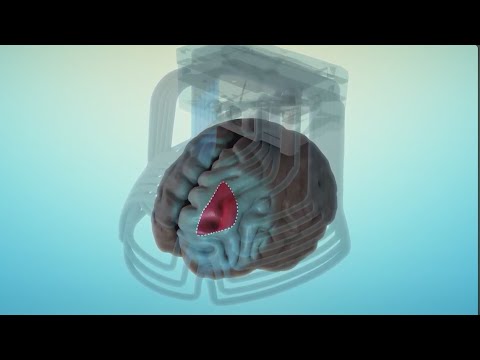
Hey, you know how sometimes life just feels, well, heavy? Like you’re stuck in a fog and can’t see your way out. It happens to a lot of us. Seriously, depression and anxiety can be like that annoying shadow that follows you around.
So, here’s something kinda cool: Transcranial Magnetic Stimulation, or TMS for short. Sounds fancy, right? But it’s actually a pretty chill way to help zap away some of those rough feelings.
You might be wondering what the heck it is. Well, it’s not about magic wands or anything like that! Instead, it’s this non-invasive treatment that uses magnetic fields to give your brain a little boost.
Imagine having a chat with your brain and saying, “Hey there, let’s feel better today!» That’s kinda what TMS aims to do. So if you’ve been feeling weighed down by depression or anxiety, stick around – there might be something here for you!
Understanding Out-of-Pocket Costs for TMS Therapy: What You Need to Know
Transcranial Magnetic Stimulation, often called TMS, is a treatment for depression and anxiety that uses magnetic fields to stimulate nerve cells in the brain. It’s gotten a lot of attention because it can help people who haven’t had success with traditional treatments, like meds or therapy. But here’s the kicker: the cost. Out-of-pocket expenses can be a bit tricky to navigate, so let’s break this down.
First off, what are the typical costs? TMS therapy usually involves multiple sessions over several weeks. Each session might cost anywhere from $300 to $500 without insurance covering any part of it. That can add up *really* quickly! If you’re looking at a standard treatment plan of about 20 sessions, you could be looking at $6,000 or more.
Then there’s insurance coverage to consider. Not all insurance plans cover TMS therapy, and if they do, they may have specific requirements. Some may only approve it after trying other treatments first without success. You’ve really got to check your plan. Here are some key points:
So let’s talk about those out-of-pocket costs some more. If your insurance doesn’t cover TMS or has high deductibles, you could face significant expenses. But don’t lose hope just yet! Some clinics offer payment plans or financing options that could make things more manageable.
You know what? It can be a real hassle dealing with all this paperwork and figuring out costs. I remember when my friend was looking into TMS; she spent weeks calling her insurance company and different clinics just trying to find answers. Don’t forget: you’re not alone. It’s totally okay to ask questions and advocate for yourself.
Also worth mentioning are potential side effects from depression meds. Some folks find themselves stuck in this cycle of trying new meds that don’t work out (or come with unwanted side effects), which makes TMS seem worth every penny by comparison in terms of quality of life improvement.
Finally, always remember that mental health matters! Investing in your well-being is always going to be worthwhile, right? It’s essential for both happiness and overall functioning in life.
In short: do your research on costs related to TMS therapy because understanding these out-of-pocket expenses is crucial for making informed decisions about your mental health treatment options.
How TMS Changed My Life: A Personal Journey Through the Challenges of Treatment
It’s kind of wild how life can throw us curveballs, right? I mean, you think you’re doing okay, then boom—depression or anxiety hits you like a ton of bricks. For a while, it felt like I was living in a fog. Everything seemed gray, and activities I once loved just didn’t spark any joy anymore. But then came a point where I heard about **Transcranial Magnetic Stimulation** (TMS). Honestly, I had no clue what it was at first.
So here’s the thing: TMS is this non-invasive treatment that uses magnetic fields to stimulate nerve cells in the brain. It’s mostly aimed at **improving symptoms of depression and anxiety**, especially if other treatments haven’t quite cut it or if meds give you more side effects than relief.
When I walked into the clinic for my first session, let me tell you—I was anxious. It sounded like some sci-fi movie stuff! But honestly? The staff were super friendly and explained everything clearly. They even let me watch a quick video about how TMS works. Basically, they place this electromagnetic coil against your head which sends pulses to the part of your brain linked to mood control.
Now let’s get real about what happened next.
- First few sessions: At first, it felt strange but not painful—just kind of like tapping on your head with a light thud. Gradually, though, something shifted inside me.
- Changes after a few weeks: After about three weeks of treatment—five sessions a week—I remember sitting outside one day and actually feeling the warmth of the sun on my face again! It had been so long since I consciously noticed anything without that gray cloud around me.
- Side effects: Honestly? There were some mild side effects like headaches or slight scalp discomfort during treatment but nothing too crazy. It felt manageable.
- A supportive community: What really hit home for me was talking to others who were also there for TMS—they totally got it! The shared experiences made each session feel less isolating.
As time went by, things shifted even more. My therapist noticed improvement in my mood and energy levels—as did my family and friends! They could see me wanting to join in on life again instead of just observing from the sidelines.
But here’s where it gets emotional: one evening after work, I found myself laughing with friends over dinner. Like really laughing—not just polite chuckles but pure joy bubbling up from deep within! Suddenly, it hit me how far I’d come since starting TMS. That moment brought tears to my eyes because for such a long time; I thought happiness was something lost forever.
TMS didn’t magically cure everything overnight—you know that’s not how life works—but it gave me tools and hope to manage my feelings better moving forward.
I still have ups and downs—that’s real life—but knowing there’s an option out there feels empowering somehow.
So yeah, if you’re feeling trapped by depression or anxiety and meds don’t seem to help—or you’re just looking for something new—it might be worth checking out TMS! Just remember everyone’s journey is different; what worked for me might not be your path but hey—it might spark something special in your own recovery story too!
Understanding the Controversy Surrounding Transcranial Magnetic Stimulation: A Deep Dive into Mental Health Treatment
So, let’s chat about this thing called Transcranial Magnetic Stimulation (TMS). It’s been tossed around a lot in mental health discussions, especially concerning depression and anxiety treatments. But, there’s some buzz and controversy around it. You know how it goes; people have their opinions, and there’s pros and cons to consider.
First off, what is TMS really? It’s this non-invasive procedure that uses magnetic fields to stimulate nerve cells in the brain. Imagine a fancy magnet that can influence how your brain works. It’s mainly targeted at folks who haven’t found relief from medications or therapy. Sounds good, right?
But here’s where the controversy kicks in. Some people say TMS is a breakthrough while others are much less convinced.
Here are some key points you might find interesting:
- Efficacy: There are studies showing TMS can significantly reduce symptoms of depression in patients. Like, some individuals experienced drastic changes after just a few sessions.
- Side Effects: The side effects are generally minimal—think headaches or scalp discomfort—but still, some people worry about long-term impacts.
- Access and Cost: TMS isn’t available everywhere yet—mostly larger cities have clinics offering it—and let’s not even get started on those insurance issues! Sometimes they don’t want to cover it.
- Lack of Research: Critics argue that while some studies show promise, there’s still a need for more extensive research to prove its safety and effectiveness long-term.
And here’s something personal: I remember talking to someone who tried TMS after struggling with depression for years. They were skeptical at first but found it surprisingly effective. It gave them a new lease on life—but other friends didn’t have such luck. One felt like they were stuck between trying something new but fearing their next step might not help at all.
So, what do we make of all this? TMS stands out as an innovative treatment option—it really has potential! But it’s also crucial to weigh those pros against the cons and approach any treatment with caution.
At the end of the day, like with so many things in mental health care, it often comes down to individual experience. Each person is different, right? You’ve got to find what works for YOU—not just what’s trending or popular among the crowd.
It sounds cliché but really: stay curious! If you’re considering TMS or know someone who is, make sure to talk about it thoroughly with a healthcare provider knowledgeable about your specific situation. Open dialogues can be incredibly helpful in navigating these waters together!
Transcranial Magnetic Stimulation, or TMS for short, kind of sounds like something out of a sci-fi movie, right? I mean, when you think about actually targeting parts of your brain with magnetic waves, it’s hard not to raise an eyebrow. But here’s the thing: TMS has been gaining traction as a treatment for depression and anxiety.
Essentially, it’s a non-invasive procedure where a magnetic coil is placed against your scalp. The coil sends magnetic pulses to spark activity in certain areas of your brain that are linked to mood regulation. So, basically, it’s like giving those areas a little nudge to get them working better.
I remember my friend Sarah who battled severe depression for years. She tried therapy and medication but nothing seemed to help much. Then she heard about TMS and decided to give it a shot. Honestly, we were all skeptical at first—like how could magnets really change her mood? But after several sessions, she started noticing these subtle shifts in her mindset. Like one day she told me she felt lighter; almost as if the fog had lifted just a bit. It wasn’t some miraculous overnight fix or anything like that—but the gradual improvements were enough for her to finally feel hopeful again.
What’s neat is that TMS doesn’t come with the same side effects as traditional antidepressants. You won’t find yourself dealing with that groggy feeling or weight gain that often comes with those meds—talk about a win! But still, it’s not for everyone. Some folks might feel discomfort during the sessions, and there are certain health conditions that could make them unsuitable candidates.
While it might feel strange thinking about magnets helping your mental health (who would’ve thought?), many people are finding real relief through this treatment. It can be daunting diving into new therapies when you’re already struggling; so much trust goes into something you don’t fully understand.
And yet here we are in a world where options keep expanding! I guess that’s what keeps hope alive—knowing there’s always something out there you haven’t tried yet. If you or someone you know is dealing with depression or anxiety and feels stuck in their journey, mentioning TMS might just spark an interesting conversation—and who knows? It could lead to some positive changes down the road!