You know that feeling when nothing seems to work? That heavy cloud hanging over you? Yeah, it can be so draining.
Well, for folks dealing with resistant depression, that struggle is all too real. It’s like trying to climb a mountain with no gear. Frustrating, right?
But here’s the thing—there’s a game changer out there called TMS therapy. It’s shaking things up in the world of mental health treatment.
Imagine a way to help lift that weight off your shoulders without the usual side effects of meds. Sounds interesting? Let’s chat about how TMS therapy might just be the light at the end of the tunnel for those who feel stuck.
Exploring TMS Therapy: Can It Effectively Treat Treatment-Resistant Depression?
TMS Therapy, or Transcranial Magnetic Stimulation, is gaining a lot of attention when it comes to treating treatment-resistant depression (TRD). If you’ve tried a bunch of different antidepressants and nothing seems to work, TMS might just be what you’re looking for.
So, what is TMS exactly? Well, it’s a non-invasive procedure that uses magnetic fields to stimulate nerve cells in the brain. Basically, it’s like giving your brain a little wake-up call. Doctors typically focus on areas that play a big role in mood regulation. Think of it as sending friendly nudges to help your brain do its thing again.
Now let’s talk about why this is so important. For many folks dealing with TRD, the struggle can feel pretty isolating and hopeless. Imagine trying multiple medications, going through therapy sessions, and still feeling stuck. It’s frustrating! I remember chatting with someone who shared his journey—he felt like he was out of options until he stumbled upon TMS. That chance opened up new pathways for him.
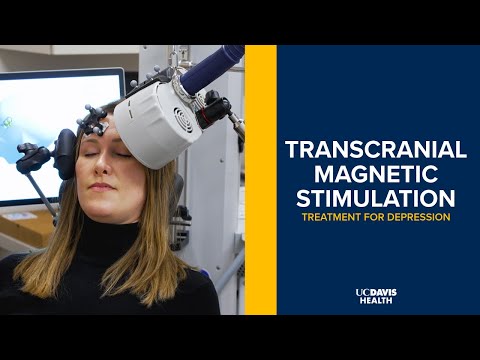
When you go for TMS, you’ll usually sit in a comfy chair while a device places electromagnetic coils right above your head. The treatment lasts around 20 to 40 minutes per session, and most people need several sessions over weeks. While it may sound intimidating at first, many describe the feeling as just mild tapping on the head—not painful at all!
Here are some key points about TMS:
Although TMS isn’t right for everyone—like if you have metal implants in your head—it offers new hope for those feeling trapped by their depression. It’s not a magic fix; you’ll want to keep working on other mental health strategies alongside it.
Overall, while research is still ongoing about long-term effectiveness and optimal treatment plans, many find that TMS has transformed their approach to managing TRD. So if you’ve been searching for options or feel exhausted from traditional treatments not working out for you—seriously consider asking about TMS next time you’re with your doctor! You never know; it could be just the spark you need to start feeling better again.
Understanding Stimulants for Treating Treatment-Resistant Depression (TRD): Options and Insights
When we talk about depression, it can be a pretty heavy subject. But sometimes, some folks just find themselves with a type of depression that doesn’t respond to the usual medications or therapies—this is called **treatment-resistant depression (TRD)**. So let’s unpack how stimulants can fit into the picture.
Stimulants are often thought of as energy boosters. You know, like when you think about caffeine or those energy drinks. But in the context of TRD, certain stimulants can actually help lift your mood. It’s kind of surprising, right? These medications aren’t the first line of defense but can be considered when other treatments haven’t worked.
One major stimulant used in this scenario is **methylphenidate**, which you might know as Ritalin or Concerta. Weirdly enough, this drug is mostly prescribed for ADHD, but it has shown promise for some individuals dealing with TRD, too. The cool thing here is that methylphenidate seems to kick in relatively quickly compared to traditional antidepressants that might take weeks.
Another option is **amphetamine-based medications**, like Adderall. Now, don’t get too excited—these meds have their own risk factors and potential for abuse. But hey, for some people struggling with TRD and who have tried everything else, it could be worth discussing with a doctor.
Now—and here’s where it gets interesting—research shows that these stimulants can enhance the effects of typical antidepressants when used together. It’s almost like they team up to fight off depression! But remember: this isn’t just mixing anything you want haphazardly; it requires careful monitoring by a healthcare professional.
Also, there’s **Transcranial Magnetic Stimulation (TMS)** therapy that’s been making waves lately. TMS isn’t medication but rather a non-invasive treatment that uses magnetic fields to stimulate nerve cells in the brain associated with mood regulation. When combined with stimulants for TRD patients, TMS could potentially amplify positive outcomes!
Some studies have shown that combining TMS therapy with stimulants results in better overall improvement than either treatment alone. Imagine feeling more like yourself after feeling stuck for so long—that’s what we’re aiming for!
But there’s always more to consider when using stimulants:
- Side effects: Stimulants can lead to increased heart rate and anxiety—definitely something to chat about with your doc.
- Addiction risk: They have a potential for misuse because they make you feel good temporarily.
- Individual variation: What works wonders for one person might not do much at all for another; everyone’s brain chemistry is different!
It can feel overwhelming sometimes trying to navigate all these treatment options and what feels right for you—or someone you care about. You’re not alone in this journey! Depression can make life seem dark and lonely; finding the right balance of support—from medication like stimulants and therapies such as TMS—can really change things up.
In summary: Stimulants aren’t typically the first choice but may shine a light on new possibilities if you’re facing TRD challenges. Pairing them with other treatments could offer relief when nothing else seems to work out—and who wouldn’t want that?
How TMS Changed My Life: A Personal Journey Through Treatment Challenges
So, you know how some people really struggle with depression? Like, this heavy weight that just won’t budge? Well, I’ve been there. I spent years trying different treatments. Medications, therapy sessions—nothing felt like it worked quite right. That’s when I found TMS, or Transcranial Magnetic Stimulation. And honestly, it was a game-changer for me.
At first, just figuring out what TMS even was felt overwhelming. Basically, it’s a non-invasive treatment that uses magnetic fields to stimulate nerve cells in the brain. Sounds sci-fi, right? But the thing is, it targets areas that are linked to mood regulation. So for someone like me dealing with resistant depression, it seemed worth a shot.
Challenges Before TMS
Before TMS kicked in, I was dealing with challenges that felt endless:
It was like being on a rollercoaster that wouldn’t stop spinning!
But I finally decided to give TMS a try after hearing about success stories from others who faced similar struggles. The first step was meeting with my doctor to discuss the process. Honestly? That conversation made me feel hopeful again.
The TMS Treatment Experience
Going into the clinic for my first session was nerve-wracking but exciting at the same time. The setup looked more like a cozy chair you’d find at your friend’s place rather than an intimidating medical room.
During treatment, they positioned this magnetic coil on my head and then just pressed some buttons—simple as that! You feel a tapping sensation which can be slightly uncomfortable at times but totally manageable. Sessions lasted about 20-30 minutes and were done five times a week at first.
I went in feeling anxious and left each time feeling lighter somehow. It’s hard to explain what changed exactly but every session chipped away at this fog over my brain. After several weeks of consistent treatments, something started shifting within me.
The Transformation
The real transformation didn’t happen overnight; it took some time to kick in fully—not unlike waiting for dough to rise if you’ve baked before! But gradually, things began to look up:
I remember one day in particular when I realized something had changed—I laughed out loud while watching a show! It caught me off guard because laughter felt like such an alien concept during my darkest days.
Aftermath and Ongoing Journey
Now don’t get me wrong; while TMS has been amazing for me, it’s not some magical cure-all button for depression. There are still tough days—and that’s okay! What matters is how I’ve gained tools through this journey
Looking back on the whole experience fills me with gratitude towards those hard moments because they led me here—the point where I can say I’m living life more fully now.
So if you’re someone who’s struggling or considering options like TMS—I’d say explore it! Speaking from experience (and seriously speaking), taking control of your mental health journey is where real change starts happening!
You know, dealing with depression can be like being stuck in a fog that just won’t lift. I’ve seen friends and family struggle with it, and honestly, it’s heartbreaking. Sometimes they try everything – therapy, medication, lifestyle changes – but the weight of it all just won’t budge. That’s where TMS therapy comes in, which stands for Transcranial Magnetic Stimulation. It sounds super fancy, but really it’s just a way to give the brain a little nudge.
So what happens is this: they use magnetic fields to stimulate nerve cells in your brain that are linked to mood regulation. For some people, this treatment has been like flipping a switch from off to on. Picture someone who’s been living in black and white suddenly bursting into color; that’s how transformative it can be for some folks.
I remember chatting with a buddy who’d battled resistant depression for years. He was at his wits’ end after trying different meds and therapies. Then he heard about TMS and thought, «What do I have to lose?» Going through the sessions wasn’t exactly a walk in the park, but slowly he started feeling lighter—like someone had lifted that heavy blanket of gloom off him.
It’s not magic; not everyone will find their happy ending with TMS, but hearing success stories can really spark hope when everything else seems bleak. It feels like finally having another tool in the toolkit for something so frustratingly stubborn as resistant depression.
But here’s the kicker: everyone’s path is unique. What works wonders for one person might not work at all for another. And that’s totally okay! The journey through mental health is full of ups and downs; no two are alike.
The takeaway? If you or someone you know feels stuck in that relentless cycle of depression—whether it’s been years or just recently—you might wanna explore options like TMS therapy together with your healthcare provider. Who knows? Maybe it could be the breakthrough you’ve been waiting for!