So, you know how sometimes life feels like an endless gray cloud? Like, nothing really seems to click, and you just can’t shake that heavy feeling?
Well, here’s the thing: there’s this therapy called TMS—Transcranial Magnetic Stimulation. Sounds fancy, right? But seriously, it’s getting a lot of buzz for helping folks find some relief from depression.
Imagine being able to hit refresh on your mood without going the medication route. That’s what TMS is all about! It’s like giving your brain a little nudge to get back on track.
Stick around! I’m excited to share more about how it works and why it might be just what you (or someone you know) needs.
Exploring the Effectiveness of TMS Therapy for Treating Major Depression
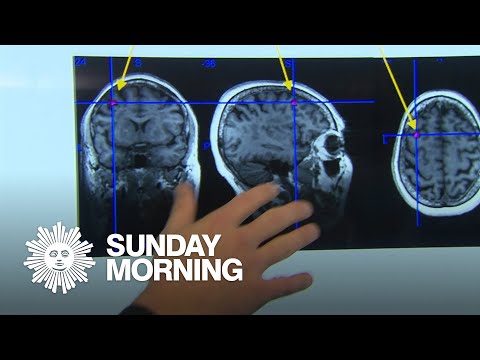
So, you might have heard of TMS therapy, right? It stands for Transcranial Magnetic Stimulation. Basically, it’s a pretty cool technique that uses magnetic fields to stimulate nerve cells in your brain. And why are we talking about this? Well, it’s mainly being looked at for treating major depression, and folks are curious about how effective it really is.
TMS therapy is non-invasive. This means that there’s no surgery or needles involved. You just sit in a comfy chair while a device delivers magnetic pulses to specific areas of your brain. Sounds chill, huh? The reason for targeting those areas is that they’re linked with mood regulation. So the idea is to give your brain a little nudge when it’s feeling low.
Now, let’s get into why this could be a game changer for people dealing with major depression. Traditional treatments like antidepressants or talk therapy work wonders for some people, but they don’t cut it for everyone. That’s where TMS comes into play—it offers an alternative option when other methods haven’t worked as well.
One of the biggest draws of TMS therapy is its effectiveness. Research shows that around 50-60% of patients with major depression experience significant improvement after going through treatment. You might hear people say they feel more like themselves again! It’s kind of uplifting to think about how something so modern can help shift the gears in someone’s head.
What does a typical TMS session look like? Usually, each session lasts about 20-40 minutes and occurs daily over several weeks—like 4 to 6 weeks total sometimes. Patients often report minimal discomfort during the procedure; some even say it feels like tapping on their head! The side effects are usually mild too—like headaches or scalp discomfort—but nothing too serious.
People wonder if TMS therapy really works long-term. Well, studies suggest that many folks maintain their progress even after completing treatment! But keep in mind that not everyone will respond the same way; some may need maintenance sessions down the road.
Another thing worth mentioning is cost; insurance coverage can vary quite a bit depending on where you live and your specific plan. So it’s always smart to check if TMS is covered before diving into treatment.
While it sounds promising, TMS isn’t perfect and isn’t for everyone—some patients might not be suitable candidates based on their mental health history or other medical conditions. It’s crucial to have an open conversation with your healthcare provider about whether this could work for you specifically.
In short, TMS therapy presents an interesting option for treating major depression—especially if traditional methods haven’t worked out so well for you. People are finding hope in something new and innovative! And honestly? That can make all the difference when you’re feeling stuck in a dark place.
Understanding the Risks of TMS Therapy: What You Need to Know
Sure! Let’s break down the risks you might want to keep in mind when it comes to TMS therapy, which stands for Transcranial Magnetic Stimulation. It’s gaining some traction as a treatment for depression, but like anything, it ain’t risk-free.
What is TMS Therapy?
TMS therapy uses magnetic fields to stimulate nerve cells in the brain. It’s often used when other treatments haven’t worked. Sounds promising, right? But before jumping in, consider the potential risks.
Common Risks
There are some side effects you might experience during or after TMS sessions. They typically include:
- Headaches: These are pretty common and usually go away after a few hours.
- Scalp discomfort: You might feel some tingling or discomfort at the site where the magnetic coil touches your head.
- Dizziness: Some people report feeling lightheaded after sessions.
- Nausea: This isn’t super common, but it can happen.
Most of these are considered mild and go away on their own. But they can be annoying.
Serious Risks
Now, let’s get real—for a moment here. Although serious side effects are rare, they exist. You should know about them:
- Seizures: This is one of the more alarming risks. While it’s uncommon, there have been cases of seizures occurring during or after TMS treatment.
- Mood changes: Some people have reported feeling more anxious or agitated after treatment.
- Bipolar disorder concerns: If you’ve got a history of bipolar disorder, TMS could potentially trigger manic episodes.
It’s crucial to discuss any past mental health issues with your doctor before starting treatment.
The Importance of Supervision
You really want a trained professional overseeing this whole process because they can help manage any adverse effects that pop up during treatment. Monitoring is key; it helps ensure safety and adjusts protocols based on your reactions.
Your Personal Health History Matters
Have you had brain surgery or do you have metal implants in your head? That stuff matters! Always disclose your full medical history to your healthcare provider before starting TMS therapy.
Anecdote Time!
I once talked to someone who had been considering TMS therapy for her depression. She was excited but also nervous about the potential side effects she found online—especially seizures! Ultimately, she went for it and ended up dealing mostly with temporary headaches post-session. Sure, those were annoying, but she felt significantly better overall and learned that communication with her therapist made all the difference.
In closing—no need to stress out too much about TMS therapy; just stay informed and open with your healthcare provider about any concerns you have! Your mental health journey is important—so make sure you’re taking steps that feel right for you.
How TMS Changed My Life: A Personal Journey Through Mental Health Challenges
You know how life can sometimes throw you into a storm? I’ve been there, feeling lost and drained, trapped in a cycle of depression that just wouldn’t let up. Therapies and medications didn’t seem to help much. Then I discovered TMS therapy, or Transcranial Magnetic Stimulation. Let me tell you about my experience and how it turned things around for me.
TMS is this non-invasive treatment that uses magnetic fields to stimulate nerve cells in the brain. The idea is to boost activity in areas involved with mood regulation. You might be wondering if it really works. For me, it did wonders.
First off, during my sessions, I would sit in a comfy chair while this device was positioned near my head. Honestly, it felt kind of weird at first, like someone lightly flicking your forehead over and over again. But after a few sessions, I started to notice some shifts in how I felt—more energy and less heaviness hanging over me.
Key aspects of my journey with TMS:
- Gradual improvement: At first, I didn’t feel like anything was different. But as weeks went by, little by little, things started looking up.
- Less side effects: Unlike many medications that left me feeling foggy or jittery, TMS mostly spared me from all that. The only downside? A bit of mild discomfort at the site of stimulation.
- Sustainability: After finishing my treatment program, the improvements did stick around! Sure, it’s not all sunshine and rainbows now; life still throws challenges at me. But I can cope better.
You know what made this journey even more impactful? Connecting with others who were going through similar experiences during support group meetings post-TMS. It was comforting to hear their stories—the struggles they’d faced—and see some of them thriving too.
Another thing worth mentioning is how TMS didn’t just help lift the fog; it also opened up more space for therapy work! With more clarity and energy came a willingness to engage with deeper emotional stuff I’d sidelined before.
If you’re sitting there wondering if this might be something for you or someone you care about—it’s definitely worth having a chat with your healthcare provider about it. Look, everyone’s journey is unique but finding what helps you feel like yourself again? That’s priceless.
I can’t say TMS cured everything overnight; I still have ups and downs like anyone else. But whenever I’m feeling low now—or when those pesky thoughts try creeping back in—I remember that moment when things shifted for me with TMS. It’s like having an anchor through rough waters now.
So yeah, if you’re navigating mental health challenges and traditional methods haven’t clicked for you yet—maybe consider looking into TMS therapy as one puzzle piece on the road to recovery? Every step counts!
So, you know how sometimes it feels like you’re in this never-ending fog? That was me a few years back. I mean, I tried everything—therapy, meds, you name it. But nothing seemed to lift that weight off my chest. That’s when I started hearing about TMS therapy.
TMS stands for Transcranial Magnetic Stimulation, which sounds a bit sci-fi, right? But the basic idea is actually pretty simple: it uses magnetic fields to stimulate nerve cells in the brain. It’s like giving your brain a little wake-up call. This kind of therapy is becoming more popular for folks who haven’t found relief from traditional treatments.
What’s cool about TMS is that it’s non-invasive. You don’t have to deal with needles or anything really intense. You just sit there while a machine does its thing. A while back, I talked to a friend who went through the process and said it felt oddly relaxing—like getting a massage for your brain! She described how she could feel these gentle pulses but wasn’t really in any discomfort at all.
But let’s be real here: TMS isn’t some magic bullet. It usually involves multiple sessions over a few weeks. And honestly, not everyone responds the same way; some people might notice changes right away, while others might take time to feel any positive effects at all.
Still, hearing about those success stories gives you hope. I remember my friend’s bright smile after her sessions; it was like seeing someone come back to life after being underwater for too long. It’s not just about alleviating symptoms; it’s about helping people regain their joy and motivation.
And yeah, there are some side effects (nothing’s perfect), like mild headaches or scalp discomfort afterward. But compared to what many go through with depression… that seems manageable.
It’s heartening that we have options like TMS out there now—especially for those who’ve struggled like I did and need something different from standard meds or talk therapy. Mental health can feel so isolating sometimes, and knowing there are innovative treatments offers an extra lifeline when you need it most.
If you’re feeling stuck or hopeless, maybe keep an eye on this one? Who knows? It could be just the thing that helps lift that fog for good!