You know how heavy depression can feel? Like, some days, getting out of bed feels like climbing Everest? Yeah, I’ve been there.
So, there’s this thing called TMS therapy that’s been popping up. It’s kind of a big deal. Imagine a treatment that uses magnetic fields to zap away some of that gloom. Sounds wild, right?
People are saying it really helps with depression and anxiety—like a fresh start when things feel stuck.
Let’s chat about what TMS is and how it might just be the lift you need.
Understanding the Role of a TMS Technician in Mental Health Treatment
TMS, or Transcranial Magnetic Stimulation, is like a fresh breath of air for people dealing with depression and anxiety. You might be curious about the role of a TMS technician in this type of treatment. Well, let’s break it down.
First off, a TMS technician is pretty much the person who operates and oversees the TMS machine during therapy sessions. They’re the ones you’ll see when you walk into a clinic for your treatment. They play a crucial role, and here’s how:
- Setting Up Equipment: The tech prepares the TMS machine and makes sure everything’s working properly. It’s vital that this equipment is in top shape because it delivers magnetic pulses to your brain.
- Patient Preparation: Before you get started, they’ll go over everything with you. They explain what to expect during the session and answer any of your questions—this part really helps ease any nerves!
- Monitoring During Treatment: While you’re in session, they monitor your comfort levels and adjust settings as needed to ensure you’re getting the best possible experience. They watch closely but also give you space to relax.
- Data Collection: After each session, the technician records data on how you responded to the treatment. This can help track progress over time and inform adjustments going forward.
- Support Role: Beyond all that technical stuff, they provide emotional support too! They encourage patients throughout their journey and create a welcoming atmosphere.
Imagine walking into that clinic feeling anxious about trying something new. But then, there’s your technician—friendly and reassuring—walking you through every step. That’s not just helpful; it can make all the difference.
TMS therapy isn’t invasive or painful; most people find it pretty manageable or even relaxing after getting used to it! And it’s important to remember that technicians often have specific training in mental health care or related fields—they’re there for your well-being.
In some ways, TMS technicians are like guides on this journey towards better mental health. Their expertise doesn’t just come from knowing how to operate machines but also from understanding how crucial their role is in creating supportive experiences for patients.
So next time you think about TMS therapy for depression or anxiety relief, remember that behind those buzzing machines is a caring technician dedicated to helping you feel better—not just physically but emotionally too!
Understanding TMS: How Long Does it Take to Experience Results?
TMS, or Transcranial Magnetic Stimulation, is a treatment that’s been making waves for people struggling with depression and anxiety. So, how long does it actually take to feel the effects? Well, let’s break it down.
First off, the process typically involves multiple sessions. Most folks go through about 20 to 30 sessions over a few weeks. That means you’re usually visiting the clinic several times a week. The sessions themselves don’t take too long—around 20 to 40 minutes each time.
Now, when it comes to results, patience is key. Some people might start noticing changes as early as the first week! You could be feeling a little less weighed down by your thoughts or more motivated to get out of bed. Others might take longer—for some, the real shift might not happen until around two to four weeks in.
It’s kind of like planting a seed; you water it and care for it but don’t see the fruit overnight. You’ll want to stick with those sessions even if you don’t feel immediate relief. Consistency really matters here.
Once you do start feeling better, there’s something cool about TMS—it can keep getting better for months after treatment begins! Think of it like aftershocks from an earthquake: even if the big shake happens quickly, things might continue to settle and improve afterward.
And then there’s maintenance therapy. For some people, having a few booster sessions every few months helps keep that positive momentum going—kind of like checking in with your mental health once in a while.
So remember:
- TMS usually requires 20-30 sessions, spread over a few weeks.
- Some folks notice changes as early as the first week.
- For others, significant improvements may not show up until two to four weeks.
- The benefits can keep improving even months after starting treatment.
- Maintenance therapy, like booster sessions, can help sustain those gains.
Why TMS Therapy May Increase Anxiety: Understanding the Risks and Alternatives
TMS therapy, or Transcranial Magnetic Stimulation, is often hailed as a breakthrough for treating depression and anxiety. It uses magnetic fields to stimulate nerve cells in the brain. But what’s interesting is that, while it’s designed to help, some people actually report feeling more anxious after starting treatment. So, let’s unpack why that might happen.
First off, how does TMS work? Well, it targets specific areas of the brain involved in mood regulation. You sit in a chair while a device sends magnetic pulses to your head. Sounds pretty cool, right? But the flip side can be a bit troubling.
One reason anxiety might spike after TMS is the anticipation surrounding treatment itself. You’re going into something new and unknown. For many folks, uncertainty can be pretty triggering. Imagine walking into that first session feeling stressed about whether it’ll work for you or worried about possible side effects—it kind of makes sense that anxiety could increase.
Another factor is how TMS affects your brain chemistry. It’s meant to rewire some of those neural pathways associated with depression and anxiety, but this rewiring can create some temporary imbalance. Think of it like tuning an old guitar; sometimes it sounds worse before it starts sounding better! Those adjustments might leave you feeling more on edge for a bit.
In addition to that, there are physical sensations during treatment that could contribute to increased anxiety levels.
So really, you’re dealing with not just mental shifts but also sensory experiences that can feel overwhelming at times.
Now let’s talk about alternatives if TMS doesn’t seem right for you—or if the anxiety outweighs its benefits. Cognitive Behavioral Therapy (CBT) has been shown to be effective in both depression and anxiety without the same risks attached to new treatments like TMS. It’s all about getting comfortable with how your thoughts affect your feelings and actions.
Another option could be medication like SSRIs or SNRIs; they help regulate serotonin and norepinephrine levels which play a big role in mood stabilization. And of course, lifestyle changes—like regular exercise or mindfulness practices—can make a huge difference too!
The thing is, everyone responds differently to treatments so keeping an open line of communication with your healthcare provider is key. If you’re thinking about starting TMS or are already in treatment but feeling more anxious than usual, don’t hesitate to bring it up!
In summary: Yes, TMS therapy has great potential but it’s not without its risks—including increased anxiety for some people due to uncertainty and physical sensations during treatment. So weigh those factors against other methods when considering your path towards mental well-being!
So, TMS therapy, or Transcranial Magnetic Stimulation, has been popping up more and more lately as a potential game-changer for folks dealing with depression and anxiety. And honestly? It’s kind of refreshing to hear about new options when it feels like you’ve tried everything under the sun.
Imagine you’re struggling with those heavy feelings of hopelessness or that tight knot of anxiety in your chest. You’ve tried therapy, maybe meds, and nothing seems to really stick. I mean, that can be exhausting and frustrating! That’s where TMS might come in as something a bit different. It’s a non-invasive treatment that uses magnetic fields to stimulate nerve cells in the brain. So basically, it aims to reset your brain’s chemistry without the whole «let’s pop another pill» routine.
I remember a friend who was in this exact situation. He’d battled severe depression for years. Every time he thought of trying something new, he felt like he was just stepping into another circle of despair—the same circles we all know too well: “Maybe this will work?” or “What if it doesn’t?” But then he found TMS therapy and decided to give it a shot after hearing some positive stories from others.
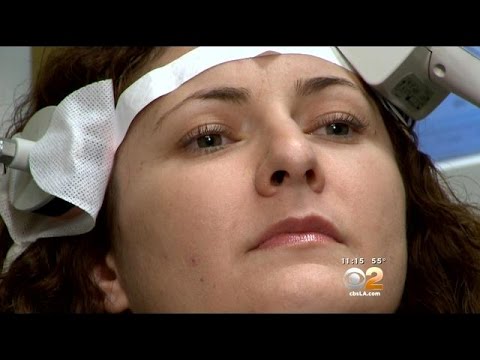
The experience itself is pretty unique—like sitting in a comfy chair while they place this coil on your head. You hear some clicking sounds during the session, which is totally harmless but can feel a bit strange at first. My friend said that after just a few treatments, he started noticing changes; things felt lighter somehow. The shadows were lifting!
What’s even cooler is that TMS is generally well-tolerated with minimal side effects compared to traditional medications—no weight gain or foggy brain! It feels like it’s giving people hope without dragging them down further into that pit we dread.
Of course, it’s not a magic wand; not everyone responds the same way. But having options like this gives people some much-needed breathing room. And isn’t that what we’re all looking for? Just some relief from those heavy feelings so we can enjoy life again?
TMS therapy might not be for everyone, but it certainly shines as an option for those who feel stuck in their mental health journeys. Just knowing there’s innovation happening out there can lift spirits—even if only just a little bit!