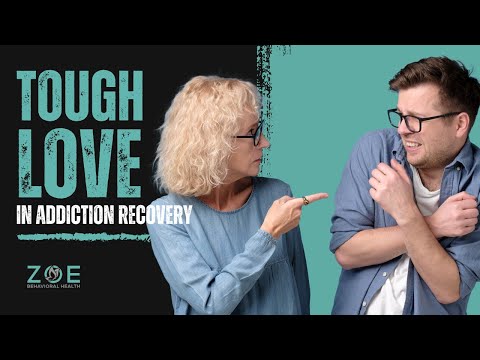
So, let’s talk about tough love. You know? That tricky balance between caring and, well, being kinda harsh.
It’s a big deal in addiction recovery and mental health. Some folks swear by it, while others think it’s just plain mean.
Picture this: You’re watching someone you love struggle. It hurts, right? You wanna help, but what’s the right move?
Sometimes tough love seems like the only way to shake things up and get people to face their demons. But then, there’s that fear you could push them away instead.
Let’s dig into this approach together. It might get a little messy, but that’s part of the journey!
Exploring the Effectiveness of Tough Love in Supporting Mental Illness: What You Need to Know
It’s a tricky situation when you want to help someone with a mental illness, but the usual methods just don’t seem to work. Enter tough love. Some people swear by it, while others think it’s just plain harsh. So what’s the deal? Let’s break it down.
Tough love typically involves setting strict boundaries and holding someone accountable for their actions. It can be tough to stomach, especially when emotions are running high. The idea is that sometimes people need a kick in the pants to realize they need help.
But here’s where it gets complicated. When dealing with mental illness, especially conditions like depression or anxiety, a hard approach might not be the best fit. Feeling judged or pushed away can make someone retreat further into their struggles. You might have heard stories where this approach didn’t land well at all, leaving both sides feeling hurt.
Now, let’s consider addiction recovery. Some argue that tough love is essential here, often pushing individuals to confront their behaviors head-on. And yeah, for some people, this motivation can spark change. But it can also backfire—you could end up alienating them instead of drawing them closer.
Key points about tough love:
- Boundary Setting: Establishing clear limits is crucial.
- Accountability: Holding someone responsible for their actions may create awareness.
- Emotional Response: Harsh approaches can lead to withdrawal or resentment.
Think about it: imagine a friend going through a rough patch and you tell them to just “snap out of it.” That probably wouldn’t help! Most likely they’d feel even worse and possibly turn away from reaching out for support again.
On the flip side, here are some possible positives:
- Eliciting Change: Sometimes people need that wake-up call.
- Empowerment: Learning personal responsibility can foster growth.
The trick is figuring out how to balance being firm yet supportive. Don’t forget that showing compassion and understanding is key in helping someone feel safe enough to open up about their struggles.
You know your loved one best—you’re in a unique position to see what works and what doesn’t. If tough love seems to push them away more than support them, maybe try softening your approach? Everyone responds differently; there isn’t one magic solution here.
In short, while tough love may have its place especially in addiction scenarios, you also gotta read the room when dealing with mental health issues overall. It’s like walking a tightrope; you want stability without tipping too far over into harshness or softness. Keep communication open—sometimes being there without judgment is really all they need!
Understanding Tough Love: A Compassionate Approach to Mental Health and Personal Growth
So, tough love, huh? It sounds pretty harsh at first. But it’s important to look a little deeper. Tough love is basically when you set boundaries or rules that can feel strict, but the aim is to help someone grow or change for the better. **It’s a mix of compassion and firmness**, kind of like a parent trying to teach their kid how to ride a bike without training wheels. You want them to succeed, but you know they will wobble and maybe even fall down a few times.
One key aspect of tough love is that it’s not just about yelling or being harsh. It’s more about being clear and honest about the consequences of someone’s actions. Like, let’s say you have a friend who keeps dodging their responsibilities because they’re stuck in their own world. Instead of just saying, “You need to do better,” you might say something like, “Hey, I can’t keep bailing you out when things go wrong.” That’s tough love in action!
Another thing is: tough love can really play a role in **addiction recovery**. You know how it goes—someone struggling with addiction might have family members who are scared to confront them for fear of pushing them further away. But sometimes, that hard conversation is exactly what they need to kickstart change. So instead of enabling behaviors—like giving money to someone who’ll spend it on drugs—you might decide not to support that anymore. It sounds mean at first, but sometimes hitting rock bottom offers folks the chance to get serious about their lives.
Now let me share something emotional here; I once knew this guy who had an alcohol problem and was constantly making excuses for his behavior. His friends loved him dearly but kept helping him out whenever he stumbled—until one day one friend finally said enough is enough. The next time he called asking for help after a bad night, they didn’t answer the phone or come over with food or cash. It was tough love in action! Took some time, but eventually he realized how serious his situation was and sought help.
Of course, it’s important not to forget balance here too! Tough love isn’t just about being hard-nosed; it should be delivered with **compassion** and concern underneath all that toughness. The goal isn’t punishment; it’s about fostering responsibility and growth while still caring deeply for the person involved.
But there can also be pitfalls with this approach if someone gets too carried away with the idea of being tough without adding those loving touches—think controlling rather than guiding! If someone feels attacked rather than supported through this approach? Well, they could shut down completely, making any progress practically impossible.
In short, understanding tough love means realizing its potential as a tool for personal growth when done right: setting boundaries while still showing care opens the door for healing rather than shutting it tight forever.
So next time you’re faced with needing that balance between gentleness and firmness? Consider how tough love could fit into your strategy without losing sight of compassion along the way!
Challenging Tough Love: Insights from Unbroken Brain on Addiction Treatment Approaches
Addiction treatment is one of those tricky topics. You know? It’s like walking a tightrope between tough love and empathy. In the book “Unbroken Brain,” Maia Szalavitz flips the script on how we see addiction and challenges traditional tough love approaches. Let’s break down some insights from her work without getting too technical.
Tough love often misses the mark. The idea behind it is that being harsh or strict will push someone to change, but this can backfire. When dealing with addiction, an environment filled with criticism and blame can lead to shame, which often drives individuals deeper into their habits rather than helping them heal.
Szalavitz emphasizes that addiction isn’t just a moral failing. It’s complex, involving brain chemistry, life experiences, and even social factors. By treating it as such, we can create a more compassionate approach. What happens is people are less likely to seek help if they feel judged or unloved.
Another key point is the role of connection. Relationships matter hugely in recovery. Someone who feels isolated or shamed won’t have that drive to get better. Supportive social networks can make a world of difference. Like, imagine being surrounded by folks who understand your struggles—it builds hope.
Then there’s this notion of gradual change. Recovery isn’t linear; it’s messy and full of ups and downs. Szalavitz discusses how expecting someone to just “snap out of it” ignores the reality of their struggles. Recovery takes time and patience—think about learning to ride a bike; you don’t just jump on and go.
To really illustrate this idea, consider an anecdote about a guy named Tom I once heard about—he got kicked out by his family because they thought tough love would shock him into sobriety. Unfortunately, it left him feeling abandoned instead. Tom ended up using more out of despair before he finally found a recovery group that offered understanding rather than judgment.
In practice, this means creating safe spaces where individuals can be open about their setbacks without fear of repercussions. If you’re surrounded by love rather than criticism, it fosters honesty—and honesty is key in tackling any addiction.
It’s also vital to recognize that recovery involves replacing old habits with new ones. Tough love often focuses on what not to do but doesn’t point towards healthier choices or coping mechanisms. When we genuinely care for someone struggling with addiction, we should encourage positive alternatives instead of just highlighting failures.
In the end, challenging tough love means embracing empathy over shame and understanding over judgment when treating addiction issues. This perspective isn’t just kinder; it’s also more effective in helping people find their way back to themselves without losing hope along the way!
You know, tough love is one of those things that can stir up a lot of feelings when it comes to addiction recovery and mental health. It’s like, on one hand, you get the idea that being firm could motivate someone to change. But then again, there’s this whole other side that’s about compassion and understanding. I remember having a friend who struggled with addiction. And honestly? Seeing their family go from supportive to super strict was really heartbreaking.
When they first started showing signs of wanting to get better—like attending meetings or talking about change—it was great! But then the tough love approach kicked in hard. They thought that by setting ultimatums, they’d push my friend toward recovery. Instead, it kinda backfired. My friend ended up feeling isolated, like no one understood what they were going through. And instead of feeling motivated, they pulled away even more.
Basically, tough love can sound good in theory: «I’m doing this for your own good!» But in reality? It doesn’t always play out like that. Compassion is huge in mental health and addiction recovery; sometimes people need a softer touch to feel safe enough to talk about their issues. Nobody wakes up one day thinking, «Hey! I want to be addicted!» There’s often pain and trauma behind those choices.
That said, I totally get why some families feel the need to take a hard line. Watching someone you love spiral down can make you feel helpless and angry all at once. But what happens when tough love becomes too cold? It’s crucial to strike a balance where you’re offering support without enabling harmful behaviors.
So yeah, navigating these waters isn’t easy at all. Finding that mix of accountability while still holding space for emotions—that’s where the magic happens in recovery journeys! It’s like walking a tightrope; both sides have their own pitfalls but finding solid ground can really make a difference for everyone involved.