You know that feeling when your mind just won’t chill?
Like, you’re sitting there, and thoughts are racing around like a bunch of hyper squirrels. Seriously, it can be exhausting.
Well, that’s where something called Transcendental Meditation comes into play.
It sounds fancy, but it’s really just a simple way to help you unwind and find some peace.
People swear by it for tackling anxiety.
Imagine sitting quietly and letting all that chaos fade away for a bit—sounds nice, right?
Let’s dive into how this technique can help you feel less anxious and more centered in your everyday life.
Exploring TMS Therapy: Can It Effectively Alleviate Anxiety Symptoms?
Transcranial Magnetic Stimulation (TMS) therapy is an interesting approach to treating anxiety and depression. It’s a non-invasive procedure that uses magnetic fields to stimulate nerve cells in the brain. You might be thinking, “How does that even work?” Well, TMS targets specific areas of the brain believed to be responsible for mood regulation.
It’s mostly used for people who haven’t found relief from traditional treatments like medications or therapy. What makes it stand out is that it’s generally well-tolerated and doesn’t have the same side effects as some anxiety meds. So, if you’re struggling with anxiety and other treatments haven’t worked out, this could be worth exploring.
Here are some key things to keep in mind about TMS therapy:
- Research-backed: Studies show that TMS can effectively reduce symptoms of anxiety. Some individuals report feeling a significant decrease in their anxiety levels after several sessions.
- Non-invasive: It doesn’t require any surgery or anesthesia. You sit in a chair while a device sends magnetic pulses to your brain.
- Session duration: Each session typically lasts about 20-40 minutes, and multiple sessions are often required for best results.
- Side effects: While it’s generally safe, some may experience mild headaches or discomfort at the treatment site. But these usually fade fast.
You know how sometimes you feel like you’re stuck in this anxious loop? I once talked to someone who was constantly worried about everything—work, friends, even what they were having for dinner! They tried different therapies but still felt overwhelmed most of the time. After starting TMS therapy, they noticed gradual changes—they felt lighter and less trapped by anxious thoughts. It’s pretty incredible how a non-invasive method can bring such relief.
Still, TMS isn’t for everyone; some folks don’t respond or might have specific medical conditions that make it unsuitable for them. Always chat with your healthcare provider about whether it’s a good fit based on your unique situation.
So there ya go—TMS therapy offers an interesting option if you’re searching for ways to tackle anxiety symptoms without jumping straight into medication or intensive therapy right away!
Unlocking Calm: How Transcendental Meditation Alleviates Anxiety
Transcendental Meditation, or TM for short, is a simple technique that can seriously help with anxiety. When you’re dealing with that nervous, jittery feeling, TM offers a way to find some peace. Basically, it’s all about calming the mind, which sounds like something we could all use now and then.
So, what’s this TM thing all about? You sit comfortably with your eyes closed and repeat a specific mantra without forcing it. This mantra is just a word or phrase you choose that helps anchor you in the moment. It’s not about silence but about creating space in your head, you know? That repetition lets your brain drift away from all those racing thoughts that often come when you’re anxious.
Here are some key points on how TM alleviates anxiety:
- Reduces Stress Hormones: Studies have shown that practicing TM can lower the levels of stress hormones in your body, like cortisol. Less of that means less anxiety.
- Improves Mood: Regular practice often leads to an increase in overall happiness and emotional stability. When you’re feeling down or anxious, this can be a game-changer.
- Simpler than You Think: Seriously! You don’t need to sit cross-legged for hours on end or clear your mind completely. It’s about finding joy in stillness.
- Affect on Brain Function: Research suggests TM can enhance brain function by promoting more coherent brain activity. A more organized brain means less chaos and worry!
Let me share a quick personal example here. Imagine Sarah—she’s always been the type who worries about everything: work deadlines, social events, even whether her favorite coffee shop would run out of her drink. She picked up TM after hearing friends rave about it. At first, she was skeptical—how could sitting quietly help her anxiety? But after just a few weeks of practice, Sarah started noticing some real changes. The nagging feelings began to ease off as she allowed herself those few moments of tranquility each day.
TM isn’t just for the super chill folks; it’s totally for anyone looking for some calm amidst the storm of life’s pressures. And hey, it doesn’t require extreme commitment—just twenty minutes twice a day is enough to start seeing benefits!
For those who’ve struggled with anxiety treatments before or find therapy options overwhelming and complicated, TM is an accessible alternative that helps build resilience against daily stressors.
In summary, Transcendental Meditation provides an easy way to grab hold of calmness when everything else feels chaotic around you. It’s not magic but simply a tool that may guide you toward greater peace of mind and reduced anxiety symptoms over time. So why not give it a shot? You might just find what you’ve been looking for!
Understanding the Potential Risks of Transcendental Meditation: What You Need to Know
Transcendental Meditation (TM) has been getting a lot of buzz lately, especially for its potential to help reduce anxiety symptoms. While it holds promise, like any practice, it’s important to be aware of the risks that might come along with it.
First off, let’s talk about what TM really is. It’s a type of meditation where you repeat a specific mantra to help clear your mind and enter a state of deep relaxation. Sounds peaceful, right? But here’s the thing—what works for one person might not work for another. So, you might want to consider a few factors before diving in.
One thing people might experience when starting TM is increased anxiety. Yep, believe it or not! The intense focus on your thoughts can sometimes make you feel even more overwhelmed. Imagine sitting in silence and suddenly all those nagging worries come rushing to the surface—it can be tough!
Then there’s the possibility of experiencing emotional upheaval. While meditation often brings up hidden emotions that need processing, some folks may find this experience too intense or uncomfortable. If you’re already dealing with anxiety, it could feel like opening a can of worms that you weren’t ready to tackle just yet.
Some people also report feeling dizzy or lightheaded after sessions, particularly if they go in with high expectations or if they’re new to meditation in general. You know how sometimes when things get too quiet and still, your mind races instead? Well, that can mess with your sense of balance too.
Additionally, there’s the financial aspect of learning TM since it often comes with fees for classes and instruction. That stress about money can add up in ways you might not expect—especially if you’re probably looking into therapy options or other forms of mental health care simultaneously.
Another point worth mentioning is that meditation isn’t a one-size-fits-all solution for anxiety. Sure, plenty of people swear by it as part of their routine but others find better relief through traditional therapy methods or medications tailored to their needs. That’s why it’s so crucial to talk with someone who understands you—like a therapist—before jumping headfirst into any new mental health practice.
Also keep in mind that just like any technique aimed at improving well-being, consistency plays a role in how effective TM will be for you over time. What happens if you’re inconsistent? You might not reap the full benefits and could feel frustrated instead.
Lastly—and this is key—always approach any form of self-help with **caution** and awareness about your own mental health history and current state. If you’re somebody who has severe anxiety or trauma-related experiences, jumping into TM without proper guidance could lead to feelings that are hard to manage on your own.
In summary:
- Increased anxiety: Being still may stir up unwanted thoughts.
- Emotional upheaval: Hidden feelings surfacing can be overwhelming.
- Dizziness: Focused silence can lead to lightheadedness.
- Financial stress: Costs associated with learning TM may add pressure.
- No universal solution: What helps one person may not help another.
So yeah, while Transcendental Meditation could offer some benefits for reducing anxiety symptoms for many folks out there, it’s all about knowing what potential hiccups could pop up along the way!
You know, anxiety can be a real drag. There are days when it feels like this heavy weight sitting on your chest, just squeezing tight and making it hard to breathe. And sometimes, you’re like, “What the heck? Why is my brain doing this?” That’s where something like Transcendental Meditation (TM) comes in.
I remember a friend of mine who was always stressed out about work. She’d go to bed thinking about her to-do list and wake up feeling exhausted. It was exhausting just to watch her! So, she decided to give TM a shot after reading about its calming effects. Honestly, I was skeptical at first. I mean, meditating for 20 minutes twice a day? Really? But she dove right in—and wow!
Transcendental Meditation is this simple technique where you sit comfortably with your eyes closed and repeat a specific mantra. It sounds easy enough, right? But what’s wild is how it actually gives your mind a break from all that chattering and racing thoughts. My friend said it felt like someone hit the pause button on her anxiety for those 20 minutes. That’s not something you hear every day!
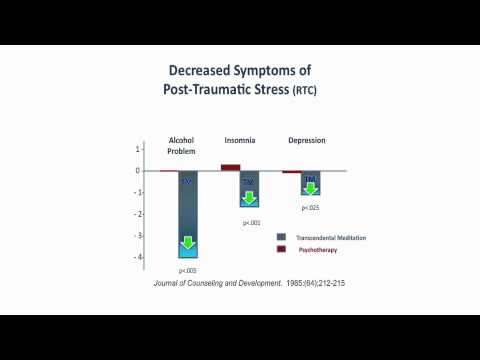
Research has shown that TM can really help reduce anxiety symptoms—like lowering blood pressure and improving overall mood. It makes sense when you think about how meditation can shift your focus from those chaotic thoughts swirling around in your head to something peaceful and centered inside yourself.
It’s not magic or anything—just consistent practice over time helps train your brain to respond differently to stressors. So instead of feeling overwhelmed by everything happening around her, my friend started handling life’s little curveballs with more calmness.
I think the main takeaway here is that finding ways to cope with anxiety can look different for everyone. For some folks, it might be therapy or exercise; for others, maybe it’s meditation like TM that offers them peace in the chaos of daily life. And hey, if you give it a try and find that sweet spot where calm meets clarity? Well, that’s pretty amazing too!