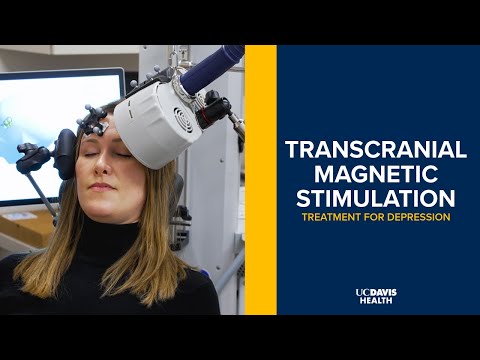
Hey, so let’s talk about something kind of cool—Transcranial Magnetic Stimulation, or TMS for short. You might have heard of it, or maybe not. But seriously, it’s like this exciting new player in the game of treating depression.
Imagine sitting in a comfy chair while a device gently zaps magnetic waves into your brain. Sounds wild, right? But it’s actually pretty legit and is changing lives for folks who’ve struggled with depression for ages.
I mean, we’ve all been there. You wake up feeling like a heavy blanket is just weighing you down. And sometimes, no amount of therapy or medication helps lift that fog. That’s where TMS comes in and gives some hope to people who truly need it. It’s like finding that one perfect playlist that just gets you.
So, let’s dig into what TMS really does and why it might be a game changer for depression relief!
Understanding Transcranial Magnetic Stimulation: A Revolutionary Treatment for Depression
Transcranial Magnetic Stimulation, or TMS for short, is like this cool new tool in the mental health toolbox. It’s all about using magnetic fields to give your brain a little boost, especially when you’re dealing with stubborn depression. Seriously, it’s not like your usual therapy sessions or medication. Let’s break it down.
What is TMS? Well, basically, it’s a non-invasive procedure that targets specific areas of the brain. These are the areas involved in mood regulation. Here’s the fun part: it uses magnetic pulses. Think of them as gentle nudges to get those brain cells talking again.
Now you might be wondering how this all works and why it’s getting so much attention lately. When a doctor performs TMS, they place a coil on your scalp that sends short bursts of magnetic energy into your brain. This can help stimulate neurons that may not be firing as they should in people with depression.
Is it safe? That’s a common question! It’s considered pretty safe overall—most people report no major side effects. Some have might feel mild headaches or discomfort at the site where the coil is placed during their sessions, but typically it’s nothing too crazy to handle.
One thing to keep in mind? TMS isn’t an instant fix like popping a pill might seem to be sometimes; it usually takes several sessions over weeks for you to start feeling its effects fully. Some folks even find that after a course of treatment, their depressive symptoms become more manageable for months on end.
And you might be curious about who can benefit from TMS. Generally speaking, it’s often suggested for people who’ve tried other treatments—like medications or therapy—without much luck. You know how frustrating that can be!
Speaking of frustration, let me tell you about someone I know who went through this journey. She’d battled depression for years and felt like she was stuck in quicksand—no matter what she tried, nothing worked long-term until she stumbled upon TMS. After several weeks of treatment, she said it felt like someone finally turned up the brightness on her world again! Moments like these show just how impactful such treatments can be.
But hey, just so you’re aware: TMS isn’t right for everyone. If you have certain medical implants, like a pacemaker or other metal devices in your body, you’ll need to check with your healthcare provider first since those magnetic fields can react with metal.
So what’s next? If you’re considering TMS as an option for depression treatment or if you’re just curious about it for yourself or someone close to you, talk with a doctor who knows all about mental health treatments! They can help sift through what might work best for individual situations.
In wrapping this all up: Transcranial Magnetic Stimulation represents one exciting way forward in treating depression when traditional methods haven’t done the trick yet. With ongoing research and advancements, maybe we’ll see even more effective approaches emerge over time!
Exploring the Success Rate of TMS Therapy for Depression: Evidence and Insights
So, you’re curious about Transcranial Magnetic Stimulation (TMS) therapy and how effective it is for treating depression? You’re not alone. TMS has been getting a lot of attention lately, and for good reason. But let’s break this down simply.
What is TMS?
It’s a non-invasive procedure that uses magnetic fields to stimulate nerve cells in the brain. Basically, it’s like giving your brain a little wake-up call. Imagine zapping your coffee maker to get it going in the morning; that’s kinda what TMS does for your brain.
Success Rates
Research shows that about 50-60% of people with major depressive disorder experience significant improvement after completing a course of TMS therapy. That’s pretty promising! Some studies even reported that roughly 30% of patients achieve full remission. So, there’s real hope here for folks who haven’t found relief through traditional methods.
But hold on, results can vary based on several factors like:
For instance, if someone has treatment-resistant depression – where other treatments haven’t helped – they might see a different success rate compared to someone with more typical depressive symptoms.
Treatment Process
Getting started with TMS usually involves about 20-30 sessions, spread out over several weeks. Each session lasts about 20-40 minutes and most people can go back to their regular activities right after. That’s one cool thing—you don’t have to stay in bed recovering like you might after surgery!
One thing I remember from chatting with a friend who went through TMS was how surprised they were by the lack of side effects compared to medications they’ve tried before. They mentioned feeling a bit tingling in their scalp during sessions but nothing major—definitely better than some nasty side effects like weight gain or sleep problems!
Addiction to Other Treatments
Some people worry about whether TMS can be used alongside medications or therapy. The good news is that it’s actually pretty flexible! You can continue your meds while doing TMS, or even start it as an alternative if meds haven’t worked for you.
However, everyone’s journey is unique. So, while one person might thrive on this treatment combo, another might find better results focusing solely on TMS or other therapies altogether.
The Bottom Line
So basically, if you’re feeling stuck in the depths of depression and traditional methods haven’t worked out for you—it’s worth considering TMS therapy! With its solid success rates and limited side effects so far reported, it could be just the boost you need.
But as with anything in mental health treatment—a chat with your healthcare provider is super important! They’ll help figure out the best course tailored just for you, ensuring that whatever path you take fits your needs perfectly. And hey, that support makes all the difference when you’re navigating this journey!
Exploring the Benefits of Brain Stimulation Therapy for Depression Relief
Alright, so let’s chat about something called **Transcranial Magnetic Stimulation**, or TMS for short. This therapy has been making waves in the mental health world, especially for folks dealing with depression. You know, when typical treatments just don’t cut it?
TMS is pretty unique because it uses magnetic fields to stimulate nerve cells in the brain. It’s non-invasive, which means you don’t need any surgery or major intervention. Basically, imagine it like a gentle nudge to your brain parts that help regulate mood. So if you’ve been struggling with depression and other treatments haven’t worked, this could be worth looking into.
Now, you might wonder how it actually helps. Well, TMS is thought to increase activity in certain brain areas—especially the prefrontal cortex—which is tied to mood regulation. This can lead to significant improvements for many people experiencing depression. But hey, it’s not a magic wand! Results vary from person to person.
Here are some key benefits of TMS that stand out:
- Non-Invasive: Unlike surgeries or other invasive treatments, TMS doesn’t require any cuts or stitches.
- Minimal Side Effects: Most people find side effects are pretty mild—maybe a bit of headache or discomfort at the site where the magnet is applied.
- Quick Sessions: Each session usually lasts around 30-40 minutes and can easily fit into a busy schedule.
- No Downtime: You can generally go back to your daily life right after treatment; no need for recovery time.
- Efficacy: Many studies show that TMS can lead to lasting improvement in depression symptoms for those who didn’t respond well to meds.
Let me tell you about Sarah—she’s someone who found herself in a tough spot. After trying several antidepressants and therapy options without much luck, she decided to give TMS a shot. After just a few sessions, she felt brighter and more engaged with life again! For her, it wasn’t just about feeling less sad; it was like waking up from a fog.
However, keep in mind that TMS isn’t for everyone. It’s not typically recommended for those with certain medical devices implanted or particular neurological conditions. And while many experience relief, not everyone will see results right away—or at all—which can be discouraging.
In terms of treatment plans, TMS is often given five days a week over several weeks—usually around six weeks total—but this can vary based on individual needs and doctor recommendations.
Ultimately, if you’re considering exploring this route for depression relief—or if you know someone who might—you’d definitely want to talk about it with your healthcare provider first. They can help guide you based on personal history and what might be best suited for your situation.
So there you have it! TMS could be an option if traditional methods haven’t worked out as hoped—or if you’re looking for something different altogether. Just remember: finding what works best takes time and patience.
So, let’s talk about Transcranial Magnetic Stimulation (TMS) and its part in the whole battle against depression. It’s kind of a big deal in mental health treatment these days, and honestly, the more I learn about it, the more fascinated I get. Picture this: you’re feeling trapped in this dark cloud that just won’t lift. It can feel so heavy, right? And sometimes traditional meds or therapy just aren’t cutting it.
That’s where TMS comes in. It’s like a superhero for your brain! Essentially, it uses magnetic fields to stimulate nerve cells in your brain—particularly those linked to mood regulation. If you’ve ever seen “Ghostbusters,” think of it as zapping away those pesky ghostly thoughts of hopelessness! Well, not exactly like that, but you get the idea.
I remember talking to a friend who had been dealing with severe depression for years. She was skeptical about TMS at first—like, what even is this? But after trying everything else under the sun without success, she decided to give it a shot. After several sessions, she told me she could finally see some sunlight peeking through her clouds. It was like finding an old treasure chest filled with hope she’d thought lost forever.
Now, TMS isn’t a magic wand; it doesn’t work for everyone and isn’t a cure-all either. But for many people who feel stuck, it can be an essential piece of their recovery puzzle. Just knowing there are options out there can bring some relief itself.
What’s cool is that TMS is non-invasive and doesn’t come with all those pesky side effects that often accompany medications—like weight gain or feeling like a zombie. Of course, every method has its pros and cons; even TMS demands commitment since it’s typically done over multiple sessions.
So yeah, while I’m not saying TMS is the end-all-be-all solution for depression—it really opens up new pathways for folks looking for relief when everything else seems bleak. And maybe one day soon we’ll look back on these advancements as just another step toward understanding our complex minds better!