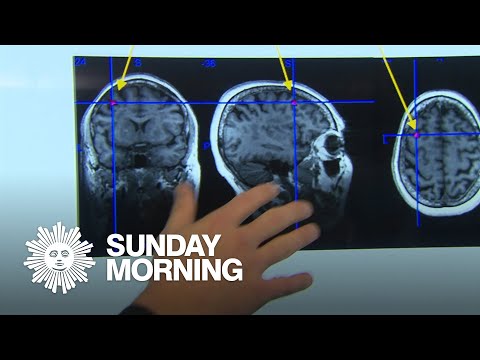
So, you know how some days just feel super heavy? Like, no matter what you do, that grey cloud just won’t budge? It sucks.
Well, there’s something out there that’s catching some buzz in mental health circles. It’s called transcranial stimulation. Sounds fancy, right? But stick with me here.
Basically, it’s a non-invasive way to help boost your mood. Imagine getting a little zap to your brain—not like a shock or anything scary—just a gentle nudge to help kickstart those happy vibes.
People are starting to see it as a game changer for depression relief. I mean, who wouldn’t want that? So let’s chat about what it is and how it might just be the glimmer of hope we’ve been looking for.
Exploring the Effectiveness of TMS Therapy for Treating Depression: A Comprehensive Guide
Transcranial Magnetic Stimulation, or TMS, is getting more attention these days as a treatment for depression. It’s a therapy that can be a real game changer for people who haven’t found relief with traditional options, like medication or talk therapy. So let’s walk through what TMS is all about and how it might help.
What is TMS? It’s a non-invasive procedure that uses magnetic fields to stimulate nerve cells in the brain. This stimulation mainly targets areas involved in mood regulation. Basically, it’s like rebooting your brain’s ability to manage feelings of sadness.
Now, you might be asking yourself how exactly this works. Well, during a TMS session, you sit in a comfy chair while an electromagnetic coil is placed on your head. The machine sends magnetic pulses to the brain, which can help improve mood and alleviate depression symptoms over time. And the best part? It usually doesn’t require anesthesia or sedation!
Who can benefit from TMS? The thing is, it’s primarily used for people with major depressive disorder who haven’t found relief from other treatments. You know that feeling when you’ve tried different meds without success? Yeah, that’s where TMS shines; it’s often seen as a second- or third-line treatment option.
That said, not everyone will experience the same results. Some folks find significant relief after just a few sessions—like they finally stepped out into the sunshine after weeks of being stuck in clouds—but others may need longer or more frequent treatments to feel improvements.
Now let’s chat about side effects. While many people tolerate TMS really well, some report mild discomfort during sessions—like headaches or scalp irritation—but these are usually short-lived. It’s significantly less scary than some medications that come with weight gain or other heavy side effects.
How effective is it? Research shows that between 50 to 60 percent of patients respond positively to TMS therapy after several weeks of treatment sessions—typically five times a week for around four to six weeks. That’s pretty promising! Some studies even suggest long-lasting benefits; many continue feeling better months after completing their therapy.
But here’s the kicker: while TMS isn’t a one-size-fits-all solution (nothing ever is), it gives hope where there wasn’t much before. Imagine someone who thought they’d be dealing with depression indefinitely suddenly experiencing relief! It can truly transform lives and restore faith in mental health care.
In summary, if you’ve been struggling with depression and have hit dead ends with other treatments, give some thought to reaching out about TMS therapy—it could very well be worth it! Getting relief from those heavy feelings of sadness and hopelessness doesn’t have to feel impossible anymore—you deserve support that works for you!
The Ultimate Guide to Overcoming Depression: Discover the #1 Effective Cure
Depression can feel like you’re stuck in a dark room with no way out. It’s heavy, and lifting that weight can seem impossible. But hey, there’s this interesting treatment called Transcranial Magnetic Stimulation (TMS) that’s been showing a lot of promise for folks dealing with depression.
So, what exactly is TMS? Well, it’s a non-invasive procedure that uses magnetic fields to stimulate nerve cells in the brain. You see, depression often involves imbalances in brain activity. TMS aims to “wake up” or activate areas of the brain that aren’t working as they should be, specifically those linked to mood regulation. This isn’t like popping a pill; it’s more targeted.
Now, onto how it works. During a session— kind of like getting your hair done— you’ll sit in a comfy chair while the doctor places an electromagnetic coil against your scalp. It sends magnetic pulses to specific brain regions. Most folks find it tolerable; it feels like a light tapping sensation on your head rather than anything painful.
Here are some key points about TMS:
- Non-invasive: No surgery or anesthesia is required.
- Minimal side effects: Some people report headache or scalp discomfort.
- Sessions are brief: Each visit lasts around 20-40 minutes.
- Treatment course: Typically involves several sessions over weeks.
A friend of mine struggled with depression for years and tried everything— therapy, medication—you name it. Nothing seemed to help until she gave TMS a shot. Within weeks, she noticed significant changes: her mood improved and so did her energy levels. It was like someone flipped a switch on her outlook.
But sometimes, TMS isn’t the complete answer on its own. It works best as part of a broader approach to mental health care:
- Counseling or therapy: Talking things through can be incredibly helpful.
- Lifestyle changes: Regular exercise and good nutrition can boost your overall well-being.
- Medication: Some people find that combining TMS with antidepressants leads to even better results.
You might be wondering if it’s for everyone? Well, not really. It’s generally recommended for folks who haven’t found relief from traditional treatments or have moderate to severe depression.
In terms of research backing this up, studies show that TMS can lead to lasting improvements in symptoms for many people—like around half who try it experience significant relief.
Look, overcoming depression isn’t simple nor is there a one-size-fits-all solution. But treatments like TMS offer new hope for those who’ve been feeling lost in the darkness for too long! And remember, if you think this could help you or someone you know, chatting with a healthcare professional is always a good first step!
Finding SAINT Treatment for Depression: Your Guide to Effective Support
Finding effective treatment for depression can feel like searching for a needle in a haystack. You want something that truly works, right? That’s where the SAINT treatment, or Stanford Accelerated Intelligent Neuromodulation Therapy, comes into play. It’s like a fresh spin on the classic approach to dealing with depression through transcranial magnetic stimulation (TMS). So, let’s break this down a bit.
First off, what exactly is SAINT? Well, it’s a type of TMS that uses magnetic fields to stimulate nerve cells in your brain. This new method is designed to be quicker and more effective than traditional treatments. It targets specific areas associated with mood regulation, aiming to kickstart those sluggish brain circuits when they’re feeling down and out.
Now, you might be wondering how it actually works. During a session—usually around 5 days—the treatment involves short bursts of magnetic pulses. Think of it as a little jumpstart for your brain! Instead of the longer cycles that some might find daunting or time-consuming, SAINT condenses the process into an intensive format. Studies have shown that many people see improvement pretty quickly after just those few sessions.
So what happens after you give it a shot? Here are some key points to consider:
- Effectiveness: Reports indicate that patients often experience significant reductions in depressive symptoms.
- Speed: Since it’s condensed into just one week, recovery time can feel faster.
- Non-invasive: There’s no need for surgery or anesthesia; it’s just you sitting comfortably while the machine does its thing.
- Safety: Most side effects are mild—like headaches or scalp discomfort—and tend to fade quickly.
Now you might be thinking about how to actually get access to this kinda treatment. The first step is talking to your mental health provider about whether SAINT could be right for you. They may refer you to specialized clinics that offer this therapy.
Let me tell ya about Jim—a friend I know who battled severe depression for years without finding much relief from typical medications or talk therapy. After trying SAINT at a local clinic, he was amazed at how quickly he started feeling like himself again—more energy and motivation than he’d felt in ages! It’s stories like his that show just how transformative this kind of treatment can be.
So yeah, if conventional methods aren’t cutting it for you or someone close to you, don’t hesitate to check out SAINT therapy as an option. Just remember: every person’s journey with mental health is different, so what works wonders for one might not work as well for another.
In summary, SAINT represents an exciting new frontier in treating depression through advanced neuromodulation techniques. It may not be the answer for everyone—but it sure offers hope where there wasn’t much before!
Transcranial Magnetic Stimulation (TMS), huh? It’s one of those buzzworthy topics floating around the mental health scene lately. Honestly, it’s pretty intriguing! You know, in a world where some people struggle with depression for ages and feel like they’ve tried everything—from therapy to meds that just don’t hit the spot—this kind of treatment is like a glimmer of hope.
Picture this: A friend of mine, let’s call her Sarah, battled with severe depression for years. She’d been through multiple medications that left her feeling like a zombie, and she was ready to throw in the towel. But then she heard about TMS. I remember sitting in a café with her when she first mentioned it. She was skeptical but also had this tiny spark of interest; it felt like something new could change her story.
TMS is all about using magnetic fields to stimulate specific parts of the brain, basically giving it that little kick it sometimes needs. And get this—it’s non-invasive, which means no surgery or crazy side effects like what some meds can have. The beauty of it is that people have found significant relief after just a few sessions!
Sarah took the plunge. The first few days were nerve-wracking; she was unsure if it’d work or if she was just chasing another ghost. But as the treatments continued, something shifted for her. It wasn’t instant magic or anything fancy like that; rather, she started feeling lighter over time, slowly rediscovering moments of joy and connection with others.
Now obviously, TMS isn’t some miracle cure that works for everyone—it can be hit or miss depending on so many factors—but seeing Sarah come back to life after being in such a dark place? That’s something worth talking about! It highlights how crucial it is to keep searching for options when dealing with mental health issues.
And while it’s easy to be skeptical about new treatments—especially when we’ve all read claims that sound too good to be true—the real stories matter most. Just think: for someone who’s been stuck in perpetual gray skies, finding even a hint of color can feel monumental.
So yeah, if you’re out there battling your own version of depression or supporting someone who is, maybe look into TMS? Who knows…it could be one step towards brighter days ahead!