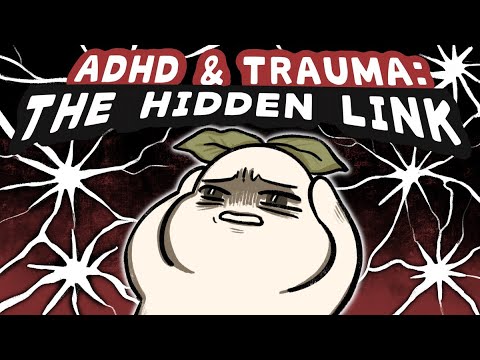
You know, when you think about ADHD, it’s usually all about the craziness that comes with it—impulsivity, distractibility, and that feeling of being all over the place. But what if I told you there’s more to the story?
Trauma, yeah, that big word we often hear but don’t always understand, can shake things up in ways we might not even realize. It can mess with our brains and emotions in a serious way.
Imagine living with ADHD and dealing with past trauma at the same time. That’s like carrying around two heavy backpacks instead of just one! It’s exhausting and confusing.
So let’s chat about this connection—how trauma can influence those ADHD symptoms and what that means for mental health overall. Trust me; it’s a journey worth taking!
Exploring the Link Between Trauma and Adult ADHD: Causes and Insights
Trauma and ADHD might seem like two totally different things, but there’s a real connection between them that can mess with your day-to-day life. So, let’s unpack this a bit.
First off, trauma. It can come from all sorts of situations: childhood abuse, neglect, or even witnessing something scary as an adult. The key thing to remember is that trauma affects how your brain processes information and reacts to stress. When you go through something overwhelming, your brain might not function the same way afterward. This can lead to problems like anxiety and difficulty focusing.
Now, let’s talk about ADHD, which stands for Attention-Deficit/Hyperactivity Disorder. It’s often characterized by trouble paying attention, impulsivity, and sometimes hyperactivity. People with ADHD may have had these symptoms since childhood. But if you’ve faced trauma in your life, it can amplify those ADHD symptoms even more.
Here’s where it gets interesting: studies suggest that experiencing trauma might *increase* the likelihood of developing ADHD symptoms in adulthood. You follow me? The impact of chronic stress from traumatic experiences can change how your brain develops areas responsible for focus and attention. It’s kind of like this ripple effect—you know?
Imagine this: a friend of yours had a tough upbringing—lots of chaos at home and maybe some emotional abuse thrown in there too. As they grew up, they started to struggle with feeling restless or distracted all the time at work or in social situations. This pattern can be linked back to their childhood traumas—they developed those ADHD-like symptoms because their brain learned to react differently when exposed to constant stress.
Another aspect worth mentioning is that people with ADHD often deal with emotional dysregulation too; it’s like having a roller coaster of feelings without any brakes! Trauma can make this even worse by causing heightened emotional responses or an inability to manage stress effectively.
So what does that mean for treatment? Approaches that work for one condition might not address the other effectively if trauma is involved. Therapy types like Cognitive Behavioral Therapy (CBT) are often used because they help tackle negative thought patterns and behaviors stemming from both trauma and ADHD.
Moreover, some folks might benefit from **trauma-informed care**—which means the care providers are aware of how trauma affects mental health and tailor their approach accordingly.
In essence, when exploring the link between trauma and adult ADHD, it’s important to consider both elements working together rather than separately. Taking a close look at past experiences could really help clarify why someone struggles with focus or impulsivity today.
This whole relationship reminds us just how complex our brains are—seriously! Trauma doesn’t just go away; it can reshuffle everything into new patterns that affect our daily lives long after the event itself has passed. By understanding this connection better you get closer to finding effective paths for healing—and isn’t that what we all want?
Understanding the Connection Between Complex PTSD and ADHD in Adults: Symptoms, Challenges, and Strategies for Healing
Complex PTSD (C-PTSD) and Attention-Deficit/Hyperactivity Disorder (ADHD) often dance together in a way that can feel pretty overwhelming. If you or someone you know is navigating both, it’s important to understand how they can interact. So let’s break it down.
What is Complex PTSD?
C-PTSD comes from repeated trauma, often during childhood. Imagine growing up in an environment filled with instability or emotional neglect. It’s like carrying around a backpack full of heavy rocks. Symptoms can include severe anxiety, mood swings, and feelings of hopelessness. You might feel disconnected from your emotions or people around you too.
What About ADHD?
Now, ADHD isn’t just about being hyperactive; it’s more complex than that! It involves challenges with attention regulation, impulsivity, and sometimes emotional dysregulation. When you think about it, ADHD isn’t just missing the mark on focus; it feels like your brain is a TV stuck on a channel that won’t change.
So here’s the kicker: People with C-PTSD might find their symptoms overlapping with those of ADHD. Stress and anxiety from trauma can magnify distractibility and impulsivity associated with ADHD.
Common Symptoms That Overlap:
- Distractibility: Difficulty focusing due to racing thoughts stemming from traumatic experiences.
- Emotional Instability: Sudden mood swings caused by triggers related to past trauma.
- Impulsivity: Acting without thinking as a way to cope with emotional pain.
Let me tell you about Jamie. They’ve dealt with childhood abuse and were later diagnosed with ADHD in their twenties. Jamie often struggles to keep their thoughts straight during conversations but also feels intense emotions when reminded of their past traumas. They sometimes lash out unexpectedly when feeling overwhelmed by memories.
The Challenges Ahead
Living with both conditions can lead to some serious complications in daily life. You might face issues at work or in relationships because managing two sets of symptoms can be exhausting. Navigating therapy becomes trickier too—some approaches for ADHD may not address the complexities of C-PTSD effectively.
Things like hypervigilance (always being on guard), nightmares, or flashbacks could interfere when you’re trying to implement strategies for managing those ADHD symptoms.
Strategies for Healing
You’re probably wondering if there’s hope for navigating this tangled web of symptoms. There are actually ways to tackle both aspects:
- Therapeutic Approaches: Finding therapy that specializes in trauma-informed care can make a huge difference.
- Meditation and Mindfulness: These techniques help ground you in the present moment; they’re useful for calming an anxious mind.
- Sensory Regulation: Engaging in activities like art or music can aid emotional expression while channeling ADHD energy positively.
It might take some time to find what works best for you, and that’s okay! Each person’s journey is unique.
In short, understanding how C-PTSD and ADHD interact offers insight into your experiences—making healing possible one step at a time. So if you’re dealing with these challenges, remember: you’re not alone on this path!
Understanding ADHD and Trauma Symptoms in Adults: Key Differences and Insights
Alright, so let’s chat about ADHD and trauma symptoms in adults. Both can mess with your head, but they’re not the same thing. Understanding their key differences can really help if you or someone you know is dealing with these issues.
ADHD, or Attention-Deficit/Hyperactivity Disorder, is a neurodevelopmental condition. It often pops up in childhood but sticks around into adulthood for many people. Symptoms include trouble focusing, impulsivity, and restlessness. You might find yourself zoning out during a meeting or blurting out whatever comes to mind without thinking twice.
Now, trauma is a whole other ballgame. It usually stems from overwhelming experiences—like accidents, abuse, or loss—that leave emotional scars. When adults experience trauma, they might deal with things like anxiety, flashbacks, or hyper-vigilance. Basically, everything feels heightened and it’s like you’re on constant alert.
So here’s the thing: trauma can influence ADHD symptoms. For example, if someone with ADHD has also faced significant trauma, they might seem more forgetful or easily distracted than usual. You could be thinking it’s just the ADHD acting up when really it’s that old trauma rearing its ugly head.
- Attention Issues: Both conditions lead to attention struggles but for different reasons. ADHD makes it hard to focus because of neurological factors. Trauma-related issues often arise because of emotional overload—that stress can just hijack your ability to concentrate.
- Emotional Regulation: Folks with ADHD may have trouble managing their emotions anyway due to their condition. But trauma can ramp that up even further—maybe leading to larger emotional swings or feeling emotionally numb sometimes.
- Memory Problems: Here’s where things get tricky. ADHD people often struggle with working memory; it’s hard to keep information in your brain long enough to use it. Trauma survivors might experience memory issues as well but that comes from fragmented memories related to their traumatic event.
- Anxiety Levels: Many adults with trauma develop anxiety disorders due to constant fear reminders of their past experiences. Meanwhile, people with ADHD often experience anxiety due to their day-to-day frustrations of managing attention and tasks.
If you’re feeling this mix-up between symptoms in yourself or a loved one, just remember—it’s not “all in your head.” Learning how these two interact can help you get better support and treatment options too.
You know what? Sometimes people just want someone who gets what they’re feeling inside—you don’t have to go through this alone! Connecting with mental health professionals who understand the nuances is key; whether that means therapy tailored specifically for complex situations like this one or exploring medication options if it fits your needs.
The main takeaway here? Recognize that while both ADHD and trauma have overlapping symptoms—like focus problems and emotional struggles—they each have their roots in different places. And knowing this difference could be the first step toward finding effective ways to navigate through life with more clarity and less chaos!
Trauma can really shake up a person’s life, right? And if you’ve got ADHD, it can feel like things are on a whole different level. You see, both trauma and ADHD mess with your brain’s ability to focus and regulate emotions. So when you throw them together, it creates this wild cocktail that can be really tough to handle.
I remember chatting with a friend who had always struggled to pay attention in class or finish assignments. He was bright and creative, but just couldn’t seem to get things organized. Then he opened up about how he went through some pretty rough stuff as a kid—like his parents’ tumultuous divorce and bullying at school. It hit me that those experiences were likely amplifying what he felt with his ADHD symptoms.
The thing is, trauma often leads to hyperarousal, which means you might be more anxious or easily startled. That can make focusing even harder when you already have ADHD kicking in. You know that feeling when you’re trying to listen in a crowded room but someone keeps tapping on your shoulder? That’s kind of how the brain operates with these two experiences—a whole lot of distractions pulling you in every direction.
But here’s where it gets interesting: emotional dysregulation is also common in both trauma survivors and people with ADHD. You might find yourself reacting way more intensely than others would expect or struggling to manage feelings of sadness and anger. I think about my friend again—his frustration during homework time could explode into tears or anger over the simplest issue because everything felt so overwhelming.
Sometimes people don’t realize how intertwined these issues are, and it leads to misunderstandings or misdiagnoses. It’s super important for anyone dealing with this combo cocktail of trauma and ADHD symptoms to get support tailored for both sides of their experience.
So yeah, if you’re navigating through something like this yourself or know someone who is, just remember—you’re not alone. Understanding how trauma influences ADHD can be the first step towards finding the right strategies that fit your unique situation!