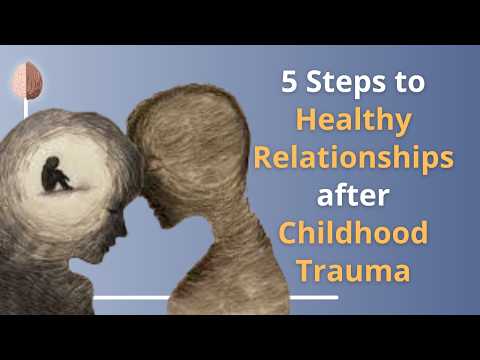
You know, life can throw some pretty heavy stuff our way. Trauma’s like that unwanted guest who just won’t leave your party, right? Seriously, it can mess with our heads and hearts in ways we don’t even realize.
So, what if I told you there’s this thing called attachment theory? It’s all about how we connect with others and how our past can shape those connections. Crazy, huh?
Understanding this might help you make sense of some of those feelings you’ve been wrestling with. It’s not just about the tough stuff, though. There’s healing potential tucked away in there, too!
Let’s chat about how these connections work and why they matter when it comes to mental health. You might find some light at the end of the tunnel!
Understanding Childhood Trauma Through the Lens of Attachment Theory: Insights and Implications
Understanding childhood trauma is like piecing together a puzzle with missing pieces. One significant piece is **attachment theory**. This theory dives into how early relationships, especially with caregivers, shape our emotional framework as we grow up.
Attachment theory outlines four main styles: secure, anxious, avoidant, and disorganized. Each style reflects how kids connect emotionally with their parents or guardians. When babies feel safe and loved, they develop a secure attachment—basically, they know they can count on their caregivers. But if those caregivers are inconsistent or neglectful, it’s a different story.
- Secure Attachment: Kids feel safe enough to explore the world because they trust their caregivers will be there when needed.
- Anxious Attachment: These kids are often clingy and overly dependent because they’re unsure if their needs will be met.
- Avoidant Attachment: They learn to distance themselves emotionally from others since their needs were frequently ignored.
- Disorganized Attachment: This style often results from severe trauma; children might display confused behaviors because of fear associated with their caregivers.
So why does this matter? Well, childhood trauma can profoundly affect which attachment style we develop. If a child experiences something traumatic—like abuse or neglect—it can lead to disorganized attachment. These kids might struggle with trusting people or managing emotions as adults.
I remember talking to Sarah about her childhood. She mentioned feeling like her mom was always either super loving or downright frightening. As an adult, she found herself pushing people away just when things got close—classic signs of that disorganized attachment style at work! It’s heart-wrenching to see how these patterns play out in relationships later on.
One important implication of understanding this connection between trauma and attachment is healing potential. Therapy can help folks recognize these patterns. By addressing the root of issues tied to their childhood experiences, people can start rewiring those old beliefs and responses.
Therapies influenced by attachment theory focus on fostering secure attachments in adulthood—whether it’s through relationships with friends or partners, or even finding the right therapist who can provide a sense of safety and support.
In essence, grasping the links between childhood trauma and attachment gives you tools for understanding not just yourself but also how you relate to others. Healing isn’t just possible; it’s within reach! The journey might be long and winding but starting with recognizing these early attachments is often where it all begins.
Overcoming Attachment Trauma in Adults: Effective Strategies for Healing and Personal Growth
Attachment trauma can feel like carrying around a heavy backpack filled with rocks. Each experience, relationship, or moment where you felt let down or abandoned adds another stone. That weight can really hold you back in life and in your relationships. But hey, the good news? You can heal from it! Let’s talk through some effective strategies for overcoming attachment trauma.
First off, understanding the basics of attachment theory is important. Basically, it’s all about how we bond with others from a young age. If those bonds are secure, you’re likely to feel safe and have healthy relationships later on. But if your early attachments were shaky or neglectful, it might lead to anxiety, fear of intimacy, or avoidance in adult relationships.
1. Recognize and Accept Your Feelings
This is huge! Acknowledging how you feel is the first step in healing. You might have feelings of loneliness, anger, or betrayal—and that’s okay. Try journaling to express these emotions. Don’t censor yourself; just write! It’s a great way to sort through what’s been bottled up inside.
2. Seek Therapy
Finding a therapist who specializes in attachment issues can be incredibly helpful. They can help guide you through your thoughts and feelings while providing tools to navigate tricky emotions. Therapies like EMDR (Eye Movement Desensitization and Reprocessing) or schema therapy can be especially effective.
3. Build Healthy Relationships
This can be challenging but is so necessary! Surround yourself with people who are supportive and understanding. Start with small interactions—maybe a coffee date with someone you trust? As these connections grow stronger, they’ll help counteract those old feelings of insecurity.
4. Practice Self-compassion
You’re going to mess up sometimes—that’s part of being human! Treat yourself kindly when things don’t go as planned instead of beating yourself up over it. Try saying something nice to yourself every day—it sounds cheesy but really works!
5. Mindfulness and Grounding Techniques
Staying present is essential when working through attachment trauma—your mind might want to wander back into those painful memories sometimes. Mindfulness exercises like deep breathing or focusing on your surroundings can help pull you back into the here and now.
6. Establish Boundaries
If past relationships were unhealthy or damaging, learning how to set boundaries becomes vital for your well-being moving forward—whether it’s family ties or friendships! This means saying no when necessary and protecting your emotional space without feeling guilty about it.
The journey towards healing from attachment trauma isn’t easy—it takes time and effort—but oh man, the growth that comes from it is worth every second! I remember after my own struggles with this area; I found myself able to connect more deeply with others without that ever-present fear bubbling under the surface.
Your past doesn’t have to dictate your future—you’ve got the power within you to reshape your life one little step at a time!
Understanding Attachment Trauma: How It Affects Romantic Relationships and Healing Strategies
So, attachment trauma can really mess with your romantic relationships. Basically, it stems from how we connect with caregivers in our early lives. If those connections were a bit rocky or just plain unhealthy, they can create patterns that follow us into adulthood. You get what I mean? If you’ve ever felt a knot in your stomach when someone gets close, this could be the cause.
When we talk about attachment styles, there are a few main ones: secure, anxious, avoidant, and disorganized. Each one shapes how you handle love and intimacy. For example, a person who had a secure attachment as a kid often feels more comfortable with vulnerability and trust in relationships. On the flip side, someone with an anxious attachment might constantly worry about their partner’s feelings or fear abandonment.
Think about it like this: if you grew up feeling neglected or abandoned—maybe your parents were always busy or emotionally unavailable—you might have developed an anxiety around closeness. You might chase after love but also push people away out of fear of being hurt again. It’s like being on a seesaw that’s constantly tipping one way or the other!
Healing from this kind of trauma is definitely not just about blowing off steam at happy hour—though that sounds tempting! It takes some real work and understanding of yourself. Here are a few ways to start:
- Practice self-awareness: Getting to know your emotional triggers is huge! Ask yourself what makes you feel uneasy in relationships.
- Seek therapy: A good therapist can help untangle those messy attachment patterns. They can guide you through exploring your past and how it relates to your present.
- Build healthy relationships: Surround yourself with supportive friends who respect boundaries and offer genuine connection.
- Communicate openly: Talk to your partner about your feelings and fears. Sharing these thoughts can help create safety in the relationship.
The journey isn’t going to be smooth sailing all the time. You’ll likely face ups and downs as you dive into those old wounds. But over time, if you keep working on it, healing is totally possible!
Recovery is like rebuilding after a storm hits—a little shaky at first but stronger each time you reinforce those foundations of trust and intimacy. And let’s be real; everybody deserves healthy love, right? So tackle those attachment issues head-on; it’ll make all the difference in creating deeper connections down the line!
You know, trauma is such a heavy topic, but it’s also super important when it comes to understanding how we connect with others. I mean, think of those moments in life that left you feeling a bit shattered, right? So, let’s chat about this idea called attachment theory and how it ties into healing from that kind of stuff.
Attachment theory is all about the bonds we form in our early years. When things go south—like through trauma or neglect—it can really mess with how we connect with people later on. You might become distant or overly clingy without even realizing it. It’s like having this invisible map of relationships in your head that got thrown off course.
I remember a friend who went through some tough family issues as a kid. They used to struggle with trusting anyone fully. Even small commitments felt like huge mountains to climb because there was this underlying fear of getting hurt again. It’s heartbreaking to see that, you know? They wanted closeness but ended up pushing people away instead.
But here’s the thing: healing is possible! When you start recognizing those patterns in yourself—like why you react a certain way—you open up the door for change. Therapy can be incredibly helpful for this because it offers a safe space to unpack all those feelings and fears. It’s like peeling back layers of an onion; sure, it can make you cry sometimes, but once you get through it, there’s clarity.
Connecting with others who get what you’re going through is also super valuable. Support groups or friendships formed on shared experiences can feel like lifelines when things get rough. Seriously—it feels good to know you’re not alone in your struggles.
So yeah, while trauma can create these complicated ties, attachment theory reminds us that with awareness and support, those ties can be healed. You’re not stuck where you began; every step towards understanding brings you closer to healthier connections and a brighter future. Isn’t that just… hopeful?