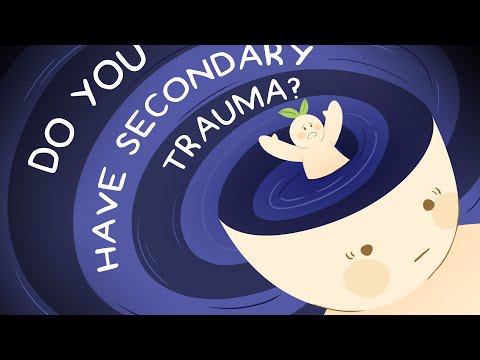
You know that feeling you get when you hear a really tough story? Like, it sticks with you for a while, right?
Well, that’s kind of what vicarious trauma is all about. It creeps in when we’re exposed to someone else’s pain—like through stories, news reports, or just listening to a friend going through a rough time.
It can hit you hard without even realizing it. One moment, you’re fine, and the next, you’re feeling heavy and drained.
So let’s chat about how this sneaky emotional toll affects our mental health. It’s more common than you might think!
Understanding Vicarious Trauma vs. Secondary Trauma: Key Differences and Impacts on Mental Health
Vicarious trauma and secondary trauma are terms that often get thrown around in conversations about mental health, especially when dealing with people who support trauma survivors. But what do they actually mean? Let’s break it down.
Vicarious Trauma happens when someone is exposed to the traumatic experiences of others, leading to changes in their own worldview, beliefs, and emotional responses. It’s like you’re experiencing a piece of someone else’s pain. For instance, a therapist who hears stories of abuse day in and day out might start feeling anxious or lose trust in people. Their perspective on safety can shift dramatically, even if they haven’t been through trauma themselves.
On the other hand, Secondary Trauma refers specifically to the emotional duress that results from hearing about someone else’s traumatic experiences. So, when a person is directly affected by another’s trauma but doesn’t undergo the complete emotional transformation that comes with vicarious trauma—this is secondary trauma. An example could be emergency responders who witness horrific scenes or listen to distressed victims; they may have nightmares or intense anxiety just from hearing those stories without changing their broader worldviews.
So what are the key differences?
- Connection to Trauma: Vicarious trauma involves a deeper psychological impact affecting beliefs and emotions while secondary trauma focuses more on the immediate stress reactions.
- Duration: Vicarious trauma might accumulate over time due to ongoing exposures, whereas secondary trauma can happen quickly after a single incident.
- Emotional Impact: Vicarious trauma can lead to feelings of hopelessness and loss of safety. Secondary trauma might just cause heightened anxiety or stress responses.
Now let’s talk about impacts on mental health. Both types of trauma can lead to serious issues like anxiety, depression, burnout, and even PTSD if left unchecked. Professionals like social workers or healthcare providers need awareness around these risks because it affects their ability to help others. They’re humans too!
Think about it: if you’re constantly carrying around the emotional weight of others’ grief or pain without proper self-care or support systems in place, it can really wear you down. You might find yourself avoiding certain situations or feeling disconnected from your own feelings.
So like, how do we manage this? It’s super important for anyone in these roles to have effective coping strategies and support networks. Whether it’s therapy for themselves or regular check-ins with colleagues—it’s crucial! Taking breaks and setting boundaries helps too; you’ve gotta recharge so you can be there for others without losing yourself along the way.
In short, understanding vicarious vs. secondary trauma is key not only for professionals but also for family members and friends supporting those who’ve gone through tough times. Knowing how these traumas work gives us better tools to help ourselves and each other navigate that emotional rollercoaster together!
Understanding Vicarious Trauma: Signs, Effects, and Coping Strategies
Vicarious trauma is a pretty heavy topic, but understanding it can really help you or someone you know if they’re struggling with it. Basically, it’s the emotional impact that comes from being exposed to someone else’s trauma. This isn’t just for therapists or first responders, though; anyone who hears or witnesses traumatic events can experience this.
Signs of Vicarious Trauma can be subtle at first. It’s not like you wake up one day feeling different. Instead, it creeps up on you. You may notice changes in your mood or how you interact with others. Here are some signs to look out for:
- Increased anxiety about your own safety.
- Feeling emotionally drained or numb.
- Changes in your world view, like becoming overly pessimistic.
- Difficulty sleeping or nightmares related to others’ experiences.
- A heightened sensitivity to distressing stories or media.
Let me tell you a quick story here: a friend of mine was working as a social worker and constantly heard stories from clients about abuse and neglect. At first, she thought she was handling it well. But over time, she started feeling anxious whenever she heard sirens outside her window—like her heart would race. Eventually, she realized that those feelings were rooted in the stories she’d been hearing all along.
Now let’s talk about the effects of vicarious trauma. It doesn’t just stay in your head; it can affect multiple areas of your life. You might find yourself withdrawing from loved ones or losing interest in activities that once brought you joy. You could also become more irritable and struggle with concentration; everything feels heavy and overwhelming.
You might even notice physical symptoms creeping in—like headaches, stomachaches, or fatigue—because our mental health is super connected to our bodies! When stress builds up inside, it has to come out somehow.
So how do we cope? There are several strategies that can help manage vicarious trauma:
- Self-care: This isn’t just bubble baths and chocolate—although those are nice! It means finding what truly recharges your batteries: exercise, hobbies, spending time with friends.
- Talk about it: Whether it’s friends or professionals—sharing what you’re feeling can help lighten the load.
- Create boundaries: Especially if you’re in a position where you’re regularly exposed to traumatic stories. Know when it’s time to step back.
- Soothe yourself: Mindfulness techniques like meditation or deep breathing can ground you when things feel overwhelming.
- Seek professional support: Sometimes talking with a therapist who understands vicarious trauma makes all the difference.
Remember: acknowledging what you’re feeling is so important! It takes strength to recognize that you’re impacted by someone else’s pain. And knowing there are ways to cope? That’s empowering.
Vicarious trauma is serious stuff but with the right tools and support systems, recovery is totally possible! Just try to check in with yourself regularly and take care of your mental health—it matters a lot more than we think sometimes.
Understanding Vicarious Trauma: A Comprehensive PDF Guide for Mental Health Awareness
Vicarious trauma, wow, it can hit harder than you might think. Basically, it’s when someone feels the emotional pain or trauma of another person, often through their work. This happens a lot in mental health fields but can really affect anyone who’s exposed to someone else’s suffering regularly.
**What is Vicarious Trauma?**
Vicarious trauma occurs when you’re repeatedly exposed to someone else’s traumatic experiences. You hear their stories, see their pain, and over time, it starts weaving into your own emotional fabric. It’s like carrying their backpack full of bricks without even realizing it at first.
**Key Signs of Vicarious Trauma**
You might be wondering how to spot this sneaky emotional thief. Here are some common signs:
- Emotional numbness: You may find yourself feeling less empathy or disconnecting from your emotions.
- Increased anxiety: Suddenly feeling anxious about situations that didn’t use to bother you can be a big red flag.
- Sleep disturbances: Nightmares or trouble falling asleep? That could be linked.
- Cynicism and distrust: Feeling jaded about people or the world around you is pretty common too.
**Real-Life Example**
Let’s say you’re a therapist working with survivors of violence. Each story shared with you adds layers of heaviness. At first, you feel deep compassion and want to help them heal—totally normal! But after months or years of hearing these stories day in and day out, that compassion could morph into exhaustion or worse—you might start feeling hopeless about humanity itself.
**Impact on Mental Health**
The toll vicarious trauma takes on mental health can be profound. Not only might it lead to burnout for professionals in the field but also affect personal relationships. You could find yourself becoming irritable at home or avoiding social gatherings because they feel overwhelming.
So what do we do about this? Well, awareness is key! Recognizing that vicarious trauma is real helps us validate those feelings when they arise.
**Coping Strategies**
Here are some practical ways to deal with vicarious trauma:
- Set boundaries: Know your limits and take breaks when needed.
- Sustain support networks: Talk openly with friends or colleagues about what you’re experiencing.
- Engage in self-care: Prioritize activities that recharge your spirit—hobbies, exercise, or even just chilling out!
- Pursue professional help: Sometimes chatting with another therapist can help process those heavy emotions.
To sum it all up—vicarious trauma isn’t just a buzzword; it’s something that affects real people doing tough work every day. Recognizing its signs and taking care of yourself is essential if you want to keep the emotional balance intact while being there for others. So keep an eye out for those telltale signs—your well-being matters as much as the people you’re helping!
So, vicarious trauma, huh? It’s that thing where repeatedly hearing or witnessing someone else’s traumatic experiences can mess with your own mental health. Like, you’re not the one going through it, but somehow, it still gets under your skin.
I remember chatting with a friend who worked as a first responder. She’d hear distressing stories day in and day out. At first, she thought she was tough enough to handle it all—like she couldn’t possibly get affected by what she heard. But over time, those stories seeped into her mind. She found herself feeling anxious more often or having trouble sleeping at night. You know how you sometimes just replay things over and over in your head? That was her.
The thing is, if you’re in a job where you’re exposed to trauma—social workers, therapists, emergency responders—it gets intense quickly. It’s like emotional secondhand smoke; you might not be in the fire yourself, but the smoke still comes around and clings to you.
And that can lead to some serious stuff: burnout, compassion fatigue—the whole nine yards. When you’re constantly absorbing others’ pain without much outlet or support for your own feelings? Not great! You become fatigued emotionally and sometimes even physically.
It’s crucial for people in these roles—and everyone else—to keep an eye on their own mental health and find ways to deal with those heavy emotions. Talking about it helps—like seriously helps! Having a supportive crew or even seeing a therapist can be game-changers.
But hey, even if you’re not in one of those super intense jobs, we all face vicarious trauma from time to time—through news stories or social media scrolls that expose us to heartbreaking events happening elsewhere. So yeah, it’s something worth keeping on our radar because our hearts can only handle so much before they start feeling heavy.
Just remember: if you ever feel overwhelmed by what others are going through—even if it’s not happening directly to you—that’s valid too! Taking care of yourself is key when dealing with this kind of emotional weight.