So, let’s talk about trazodone. You’ve probably heard of it, right? It’s that medication that some people use to help with sleep or depression. Seems pretty straightforward at first glance. But, there’s a twist.
While it can be a lifesaver for many, it doesn’t come without its baggage. I mean, who knew that something meant to help could also have some side effects? One of those is heart arrhythmia. Sounds serious, huh?
Yeah, it is. And guess what? Not everyone knows about the connection between trazodone and heart issues. This is why it’s super important to chat about it. You might want to think twice before popping that pill without doing a little digging first.
Let’s unravel this together and see what the deal really is!
Exploring the Connection Between Trazodone and Heart Arrhythmia: What You Need to Know
Sure! Let’s tackle the connection between trazodone and heart arrhythmia.
Trazodone is an antidepressant often used to treat depression and sometimes anxiety or insomnia. It works in a way that boosts certain brain chemicals—like serotonin—that help improve your mood. You know, it’s like adding a little fuel to the fire when you need a lift.
But here’s where it gets a bit tricky. Trazodone can affect your heart too. Some studies have shown that trazodone might increase the risk of heart arrhythmias, which are basically irregular heartbeats. This can feel like your heart skips a beat or races suddenly, and it might raise some eyebrows.
Now, arrhythmias can be harmless for some folks, but they can also lead to more serious issues if not monitored properly. People with pre-existing heart conditions need to be especially careful when taking trazodone. You never know how your body will react, right?
If you’ve ever seen someone clutch their chest and gasp for air after running up a flight of stairs? Yeah, that’s kind of what arrhythmias may feel like when they’re happening without any physical exertion. And if you’re on trazodone, you should definitely mention any weird heartbeat feelings to your doctor.
The reason trazodone might mess with your heart rhythm has to do with how it influences neurotransmitters and its sedative effects on the body. It’s thought that when you alter the balance of these chemicals, it could lead to changes in how electrical signals travel through the heart muscle.
It’s also worth noting that you shouldn’t just stop taking trazodone cold turkey because you’re worried about your heart! That’s not a great idea either. If you’re feeling anxious about this connection, chat with your healthcare provider first instead of self-diagnosing or jumping ship on your meds.
To sum it all up: trazodone can help many people with mental health struggles by improving mood and sleep patterns—but it’s vital to keep an eye on how it affects your ticker! Regular check-ins with doctors can help ensure that both your mental health and heart health are in good shape together.
So really, if you’re prescribed trazodone or considering it, just keep communication open with your healthcare provider about any concerns—your well-being is what matters most!
Understanding Trazodone Use: Is It Safe for Patients with Atrial Fibrillation (AFib)?
Trazodone is a medication often used to treat depression and anxiety, but it can also help with sleep issues. However, when you throw in a heart condition like **atrial fibrillation (AFib)**, things get a little more complicated. So, let’s break this down.
Now, AFib is basically an irregular heartbeat that can increase your risk of strokes and heart-related problems. When you’re dealing with AFib, you definitely want to be cautious about what medications you take. That’s where trazodone comes into play.
Heart Rhythm Concerns: Trazodone can sometimes cause changes in heart rhythm. For most people, it’s not a big deal, but if you have AFib, this could add extra risk. Some studies suggest that trazodone may lead to a small increase in the likelihood of arrhythmias—these are just fancy words for abnormal heart rhythms.
What’s the Connection? You might wonder how it all connects. When trazodone affects your heart rate or rhythm—even slightly—it may trigger symptoms for someone already balancing AFib. Imagine your heart is already doing some awkward dance moves; adding another step could throw things off completely.
Consult Your Doctor: Seriously, if you’re thinking about trazodone and you have AFib or any other heart condition, it’s essential to talk to your doctor first. They’ll look at your overall health and may monitor you more closely if they think it’s appropriate.
Here are some key points to consider:
- Trazodone’s Mechanism: It mainly works by increasing serotonin levels in the brain, which helps improve mood and promote sleep.
- Heart Risks: The risk of arrhythmia isn’t huge for everyone but it can be more concerning for people with existing heart issues.
- Individual Responses: Everyone reacts differently to medication, so what works for one person might not work for another.
Remember that managing AFib often requires a careful balance of medications that control the condition without making it worse. It’s like juggling—too many balls in the air at once can lead to dropping something important.
Lastly, if you’re already taking medications for AFib or any other health issues, always keep your healthcare provider in the loop about anything new you’re considering—like trazodone. This ensures they can help navigate potential interactions and keep an eye on how everything’s working together.
Staying informed and communicating openly with your medical team is crucial! It’ll help ensure you’re doing everything possible to maintain both mental health and heart health safely.ems from atrial fibrillation itself feel like racing thoughts or a heavy weight on your chest—which is no fun at all!
Understanding the Link Between Trazodone and Heart Arrhythmia: Risks and Insights
Trazodone is one of those medications you might hear about when discussing depression or insomnia. It’s in a class called antidepressants, but what’s interesting is how it can affect your heart. And yeah, the link between trazodone and heart arrhythmia is something worth understanding.
What’s Heart Arrhythmia?
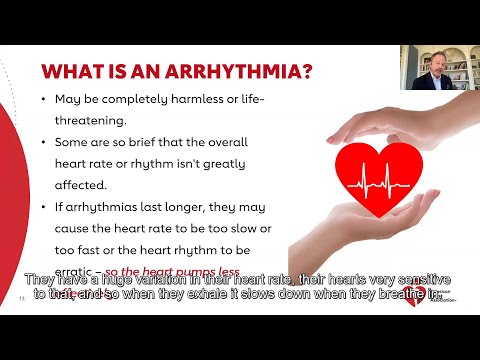
So, heart arrhythmia means your heart’s beating out of sync. Sometimes it goes too fast, too slow, or just doesn’t have that regular rhythm we all need for good health. It can feel weird—like fluttering or racing—and in some cases, it can be serious. Some people might not even notice it happening!
Now, let’s get back to trazodone. The thing is, it has the potential to affect your heart rhythm, especially if you’re taking other medications or have existing health issues.
- Dosage Matters: If you’re on a higher dose of trazodone, the risk of developing arrhythmias may increase.
- Pre-existing Conditions: If you already have heart problems or conditions like low potassium levels (hypokalemia), this could heighten your risk.
- Aging Factor: Older adults might be more susceptible to these side effects. So if you’re getting up there in age, it’s worth talking about with your doctor.
For example, I once knew a guy who was struggling with sleep issues and got prescribed trazodone. He was also on blood pressure meds that weren’t really mixing well with it. After a few weeks, he started feeling his heart race unexpectedly. Turns out his doctor hadn’t caught the potential interaction at first.
Always Speak Up!
If you’re prescribed trazodone—or any new medication—don’t hesitate to ask questions! You want to know how it could impact things like your heart health.
Also important is keeping an eye on symptoms: chest pain, palpitations, or dizziness should definitely not be ignored! They can be signs that something’s not right.
In terms of side effects related to the heart specifically, here are a couple more points worth noting:
- Dose Adjustments: Sometimes starting on a lower dose and gradually increasing can help manage risks.
- Regular Check-ups: Routine follow-ups with your healthcare provider are key to monitoring any side effects.
It’s clear that while trazodone can be effective for some people in tackling depression or sleep troubles, being informed about its risks concerning heart rhythm abnormalities is crucial too.
In short? Know what you’re taking and stay informed about how it affects your body! The more you know—and communicate with your healthcare provider—the better equipped you’ll be to manage your mental health safely and effectively.
Alright, let’s chat about trazodone for a sec. You might know it as a medication often prescribed for depression or sometimes to help with sleep issues. It’s been around for ages and, honestly, quite a few people rely on it. But there’s this thing that comes up: the connection between trazodone and heart arrhythmias. Yeah, it sounds serious, huh?
Now, imagine you’re at your friend’s birthday party. You’re feeling great until you notice someone in the corner looking kinda off, like they’re having trouble catching their breath. That’s how this topic feels when you dig into the risks of taking trazodone if you have existing heart issues. It can really hit home if you or someone you care about is on it.
So here’s the deal: while most people take trazodone without any issues, some studies have shown that it could mess with your heart rhythm, especially in folks who already have heart problems or who are mixing it with other medications that affect the heart. And that can be scary! Arrhythmias are those irregular heartbeats; they sound harmless but can actually lead to some serious stuff if not handled right.
A buddy of mine started taking trazodone to help sleep after some long nights of stress from work and family stuff. He thought he was just doing what he needed to feel better—who wouldn’t want a good night’s sleep? But then I remember him mentioning feeling his heart racing now and then, which totally freaked him out! When he talked to his doctor about it, they had a long conversation about whether trazodone was right for him given his health history.
This whole situation emphasizes why it’s crucial to keep an eye on how different meds interact with your body. If you find yourself on something like trazodone—or anything else really—it doesn’t hurt to check in with your healthcare provider regularly. They can help navigate potential risks and keep your well-being front and center.
Look, mental health is super important—no doubt—but so is physical health. Balancing both feels like walking a tightrope sometimes! And yes, understanding these risks can be overwhelming. It’s not just about taking something because it seems like the solution; it’s about really knowing what you’re putting in your body and paying attention to how it’s affecting you overall.
So if you’re ever uncertain or feel something’s off while on medication like trazodone, don’t hesitate to reach out to your doctor. Your mind and body are connected more than we realize, so keeping both happy is key!