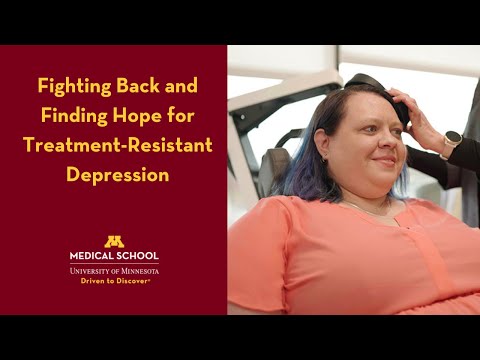
So, let’s talk about something that isn’t always easy to chat about: depression. But, like, not your everyday kind of blues. I mean that deep, heavy stuff—treatment refractory depression. You know, the kind that just doesn’t budge no matter how many meds you’ve tried?
It can feel like you’re on this endless rollercoaster. Up and down and round and round. Seriously exhausting! I’ve seen friends struggle with it, and honestly? It breaks your heart a little bit.
But here’s the kicker: there’s hope. Yeah, really! Even when it feels like you’re stuck in quicksand, there are ways to find your footing again. So let’s dig into this together—no pressure, just a casual conversation about what it really means to keep fighting the good fight against those stubborn feelings. Sound good?
Exploring the Best Drug Options for Treatment-Resistant Depression: A Comprehensive Guide
When you’re dealing with treatment-resistant depression, it can feel like you’re stuck in a never-ending cycle. You’ve probably tried a bunch of different meds, and yet here you are, still feeling low. The reality is that finding the right medication isn’t always straightforward. Let’s break down some of the options that might help you or someone you care about.
First off, traditional antidepressants like SSRIs (selective serotonin reuptake inhibitors) and SNRIs (serotonin-norepinephrine reuptake inhibitors) can work well for many people. But for those who don’t get relief, there are alternatives to consider.
- Atypical Antidepressants: These don’t fit neatly into the usual categories. Medications like bupropion and mirtazapine may be options. Bupropion is known to help with fatigue and low motivation, which can be huge for someone feeling bogged down.
- Ketamine: This one’s been making waves lately. Ketamine offers rapid relief for some individuals with severe depression when other treatments have failed. It’s typically given as an infusion in a clinical setting, but there are also nasal spray versions available.
- Ayahuasca and Psychedelics: There’s growing interest in psychedelics like psilocybin (found in magic mushrooms) or ayahuasca for treatment-resistant cases. Some folks report profound experiences that lead to lasting improvement in mood, although these treatments usually require supervision and are still being studied.
If those don’t cut it, doctors might look at combining medications or trying something different altogether.
- Mood Stabilizers: Sometimes medications typically used for bipolar disorder can help lighten the load of depression too.
- Anxiolytics: Anti-anxiety medications may be used alongside antidepressants if anxiety is playing a big role in your depression. Just keep an eye on potential dependency issues.
You should also know that there are non-medication approaches that can be really effective when drugs alone don’t do the trick.
- TMS (Transcranial Magnetic Stimulation): It’s a non-invasive treatment where magnetic fields stimulate nerve cells in the brain. It sounds wild but has shown real promise!
- ECT (Electroconvulsive Therapy): This one also has a bad rap due to its history but can be life-saving for many people dealing with severe depression that’s resistant to other forms of treatment.
The important thing is to stay connected with your healthcare provider while exploring these options. You’re not alone in this battle; others out there have felt stuck just like you do now and have eventually found their way through it—sometimes after lots of trial and error.
The key takeaway? Don’t lose hope! Finding what works might take time, but with persistence, recovery is possible even when it feels outta reach right now. So keep pushing forward!
Top Add-On Medications for Effective Treatment of Resistant Depression
Finding the right treatment for resistant depression can feel like a never-ending battle. You’re not alone if you’ve tried several medications without finding relief. This is where add-on medications often come into play, bringing some hope to those struggling with treatment-resistant depression.
First up, antipsychotics can be beneficial. Medications like aripiprazole or quetiapine are sometimes prescribed alongside traditional antidepressants. The thing is, they work differently compared to typical antidepressants, which can help enhance the overall effectiveness of your treatment. Imagine taking a car that’s just not fast enough and then adding a turbocharger to give it that extra push.
Next, we think about mood stabilizers. Drugs like lamotrigine might help even out those emotional ups and downs when other treatments aren’t cutting it. It’s like trying to paint a painting with just one color—adding more colors makes the picture more vibrant.
Then there’s stimulants, such as methylphenidate or amphetamine salts. These aren’t usually the first line for depression but can help some people who have fatigue or concentration issues lingering from their depression. It’s like getting an energy drink when you’re feeling low—sometimes you just need that little spark.
Another option is some anticonvulsants, like topiramate or valproate. They are prescribed not just for seizures but also show promise in mood improvement for certain people with resistant symptoms. Think of them as unexpected heroes in your mental health journey, surprising you with their benefits.
There’s also been buzz around the use of ketamine, particularly its nasal spray form called esketamine. Ketamine might sound intimidating because it’s been used in different ways before, but research has shown it can provide rapid relief for some individuals battling severe depression when other treatments haven’t worked.
Then we have the idea of add-on therapies, which include things like psychotherapy or mindfulness practices along with medication adjustments. You know how two heads are better than one? That’s what happens when combining different approaches!
Finally, let’s not forget about lifestyle changes and alternative approaches such as exercise, nutrition improvements, or even supplements like omega-3 fatty acids and vitamin D—all of which might support your medication regimen and help lift that fog hanging around your mind.
So there you have it! If one approach isn’t doing the trick for you, don’t hesitate to talk to your healthcare provider about these add-on options—they could change everything for you!
Effective Strategies for Overcoming Treatment-Resistant Bipolar Depression
Bipolar depression can be tough, especially when you feel like you’ve tried everything and nothing seems to help. When you find yourself facing treatment-resistant bipolar depression, it might feel like you’re stuck in a cycle of frustration and hopelessness. But hang on, there are some strategies that can truly make a difference.
First off, **working closely with your mental health team is key**. This means keeping the lines of communication open with your psychiatrist, therapist, or any other professionals involved in your care. They need to know what’s working and what’s not for you. It’s like being on a road trip; if the GPS isn’t giving accurate directions, you need to recalibrate.
**Explore medication adjustments or alternatives**. Sometimes the medications we take just don’t hit the right notes anymore. Your doctor might consider switching to different medications or adding something new to your regimen. There’s also the option of mood stabilizers or atypical antipsychotics that can sometimes work wonders for bipolar depression.
Then there are **psychotherapy options**. Traditional talk therapy is great, but maybe it’s time to explore something different, like cognitive behavioral therapy (CBT) or dialectical behavior therapy (DBT). CBT focuses on changing negative thought patterns while DBT combines traditional talk therapy with mindfulness skills. Both have shown promise for many people facing treatment-resistant issues.
You could also look into **mindfulness practices and meditation**. I remember a friend who struggled really hard with her moods—until she started practicing mindfulness daily. Suddenly, she found moments of peace that helped her manage her emotions better. It doesn’t solve everything overnight but helps change your relationship with those emotions.
Let’s not forget about **support groups** as well! Sometimes just sharing experiences with others who get it can be a game changer. Knowing you’re not alone and hearing how others navigate similar struggles might spark new ideas or insights.
Another avenue worth exploring is **brain stimulation therapies**, like electroconvulsive therapy (ECT) or transcranial magnetic stimulation (TMS). These treatments sound intense but have been effective for some people when other methods didn’t work out at all.
Also important? **Lifestyle changes**! Things like regular exercise, balanced nutrition, and good sleep hygiene make a significant difference in overall mood stability. It’s amazing how much our bodies affect our minds.
And hey, don’t overlook the power of creativity—art therapy can be incredibly healing too! Engaging in creative expression lets you channel feelings into something tangible instead of keeping them bottled up inside.
Never forget: hope exists even in treatment-resistant situations! It may take some patience and persistence to find what works best for you but always keep pushing forward—you deserve support tailored just for you!
So, let’s talk about treatment refractory depression. It sounds heavy, right? Basically, it means that you’ve tried a bunch of treatments—like meds and therapy—but nothing really seems to help. If you’ve been there, it can feel like a dark cloud that just won’t budge. And that feeling? It’s overwhelming.
I remember talking to a friend who’d been dealing with this for years. She tried everything: different pills, therapy styles, even some holistic stuff like yoga and meditation. It was exhausting and sometimes downright disheartening. She felt stuck in this cycle of hope followed by disappointment. But then something started to change when she found the courage to explore newer options—things she hadn’t considered before.
You know how sometimes the real breakthrough comes when you least expect it? For her, it was this small group therapy setup focused on sharing experiences and finding creative outlets. At first, she wasn’t sure about being vulnerable with a bunch of strangers; it felt scary. But opening up in that supportive space let her see things differently.
I think hope often hides in those unexpected places—it’s not always in what you think will work or what’s been prescribed to you before. Sometimes finding hope means stepping outside your comfort zone or exploring options that seem unconventional.
And look, while treatment refractory depression can feel like an uphill battle, there are options evolving all the time—from new medications to advanced therapy techniques. It’s nice to see that the landscape of mental health is expanding and changing for the better.
Even when you’re deep in the trenches and things look bleak, remember that hope can be just around the corner—sometimes in ways we don’t see coming at all. So if you’re ever feeling lost or shut out from healing avenues, talk about your journey with someone who gets it. You never know where the conversation might lead!