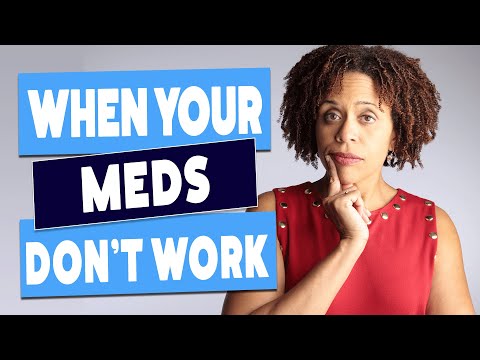
You know that feeling when everything just seems heavy? Like, no matter what you do, you can’t shake this cloud hanging over you? That’s where a lot of folks find themselves with treatment-resistant depression.
It’s tough. Really tough. You try therapy, medications, maybe even some lifestyle changes, and still… nothing clicks. It can be super frustrating and lonely. Seriously, it feels like you’re shouting into a void sometimes.
So let’s talk about it! Recognizing the symptoms is the first step. You’re not alone in this struggle; many people are in similar boats. Let’s break it down together.
Exploring Vyvanse for Depression Treatment: Efficacy, Benefits, and Considerations
Vyvanse is one of those medications that most people associate with ADHD, but it’s been popping up in conversations about depression lately. If you or someone you know has struggled with treatment-resistant depression, this might be worth knowing about. Treatment-resistant depression is when typical antidepressants just don’t cut it anymore. You keep feeling low, hopeless, and just stuck, no matter what you try.
So, let’s chat a bit more about what Vyvanse actually does. It’s a stimulant that increases the levels of certain neurotransmitters in your brain, like dopamine and norepinephrine. These are responsible for mood regulation and attention. In some cases, doctors might prescribe it off-label to help boost mood and energy levels in people battling depression. The idea is to kickstart something in your brain that helps lift some of that heavy fog.
Now, while using Vyvanse for depression isn’t super common, there are some reasons why it can be effective:
- Energy Boost: Many folks with depression often feel drained and sluggish.
- Mood Improvement: Some studies show that stimulants like Vyvanse can have a quick positive effect on mood.
- Focus Enhancement: If you’re finding it hard to concentrate because of your depressive symptoms, this could help.
But hold up! This doesn’t mean it’s a miracle cure or something everyone should jump on board with blindly. There are important considerations to keep in mind:
- Potential Side Effects: Think insomnia, increased heart rate, or anxiety—none of which are fun when you’re already dealing with depression.
- Addiction Risk: Stimulants can be habit-forming; careful monitoring by a doctor is crucial.
- Adequate Assessment: It’s really important that you’ve talked with your healthcare provider about your specific situation before considering Vyvanse as an option.
Here’s the thing: using Vyvanse might work wonders for one person but not for another. Everyone’s brain chemistry is different! I remember chatting with a friend who had tried every antidepressant under the sun without much luck. Then they opted for something unconventional like Vyvanse after exhausting other options—it changed their experience dramatically!
In essence, if you’re wrestling with treatment-resistant depression and considering options like Vyvanse, make sure you’re doing this under professional guidance. Talk through expectations and monitor how you’re feeling regularly—it’s all part of navigating your mental health journey safely and effectively.
Finding the right treatment can be a winding road, but knowing what options exist can empower you along the way!
Understanding Bupropion: A Solution for Treatment-Resistant Depression?
Bupropion, often known by its brand names like Wellbutrin, is an antidepressant that’s seen as a distinct option for people dealing with treatment-resistant depression. So, what does that mean? Basically, it’s for those who’ve tried other meds and haven’t felt any relief. Let’s break this down a bit.
First off, bupropion works differently than most common antidepressants. You see, most of them focus on serotonin—this neurotransmitter that plays a role in mood regulation. Bupropion targets norepinephrine and dopamine instead. Those are also neurotransmitters but with different vibes in your brain. The idea is that by working on these other chemicals, it can help boost your mood when other treatments haven’t done the trick.
One of the big draws of bupropion is its side effects. Unlike many antidepressants that can make you feel drowsy or gain weight, bupropion is less likely to do that. This could be a big win for folks who are worried about putting on pounds or feeling groggy all day. People often report feeling more energized on it, which can be a nice change if you’re used to battling fatigue along with depression.
Now here’s something important: not everyone will respond to bupropion in the same way. It might work wonders for one person but not help another at all. It’s kind of like trying different flavors of ice cream; you won’t know which one you like best until you taste them!
In terms of symptoms, if you’re grappling with treatment-resistant depression, you might find yourself feeling hopeless or just tired all the time—even after getting enough sleep. There could be lingering thoughts that just won’t go away or feelings of frustration about life in general. Some folks even struggle with concentration—like they’re trying to wade through thick fog just to get through the day.
But what happens when standard treatments aren’t cutting it? That’s where doctors might consider bupropion as an alternative. They may also use it alongside other medications because sometimes combining treatments can yield better results—you know?
Anecdotally speaking, I’ve heard stories about people who felt a sort of awakening after starting bupropion. Take Sarah, for instance: She had tried several antidepressants without much success and was running out of hope when her doctor suggested bupropion as a last resort. To her surprise, within weeks she noticed she was laughing more often and had energy she hadn’t felt in years! Stories like hers remind us how unique everyone’s mental health journey is.
Of course, there are cautions too; it’s not suitable for everyone. If you’ve had issues with seizures or eating disorders like bulimia or anorexia nervosa, then bupropion might not be safe for you—definitely something to discuss with your doctor.
So there you have it: Bupropion isn’t a magical fix-all pill but holds promise for many dealing with treatment-resistant depression. It shifts how we tackle this tough condition by focusing on different brain pathways and offering hope when other options have failed. If you think it could help you or someone close to you out there struggling? Well, don’t hesitate to have an open conversation with your healthcare provider about all available options!
Discovering the Best Antidepressants to Combine with Rexulti for Enhanced Mental Health
It’s pretty common for folks dealing with depression to find themselves in this frustrating limbo where traditional treatments just don’t cut it. You know, that kind of nagging feeling when you’ve tried a few antidepressants and still feel low? Yeah, that’s what we call **treatment-resistant depression**. The struggle can seriously get real when nothing seems to spark joy or lift the fog.
So, let’s chat about **Rexulti** (the brand name for brexpiprazole). It’s often used as an add-on treatment to help manage symptoms of major depressive disorder, especially when other meds fall short. It works a bit differently than classic antidepressants because it acts on multiple brain receptors. But the thing is, combining it with another antidepressant might give you the boost you need.
When looking for the best antidepressants to pair with Rexulti, here are some options that often come up:
- SSRIs (Selective Serotonin Reuptake Inhibitors): These are like the bread and butter of depression treatment. Medications such as fluoxetine (Prozac) or sertraline (Zoloft) could be beneficial when combined with Rexulti. They focus on boosting serotonin levels in your brain.
- SNRIs (Serotonin-Norepinephrine Reuptake Inhibitors): Think about venlafaxine (Effexor) or duloxetine (Cymbalta). These work by increasing both serotonin and norepinephrine, which can help if you’re feeling low energy along with your depressive symptoms.
- Bupropion: Also known by its brand name Wellbutrin, this one can be a game-changer. It does things differently by blocking norepinephrine and dopamine reuptake. Some folks report feeling more energized and motivated when they take it alongside Rexulti.
- Mirtazapine: Not everyone knows this one has a unique action since it’s an atypical antidepressant. It’s good for people who might also be struggling with sleep issues alongside their depression.
But hold up! Combining medications isn’t just about picking names off a list—you gotta think about potential side effects and interactions too! Mixing meds can sometimes amplify side effects or create new ones you didn’t expect.
Let’s take Sarah as an example. She was feeling pretty down despite being on SSRIs for months—like dragging yourself out of bed while wearing lead boots kind of down. After chatting with her doc, they decided to add Rexulti into the mix along with bupropion. Bingo! She started feeling more like herself again—less foggy and way more engaged in life.
If you’re considering combos like this, it’s super important to have an open line of communication with your healthcare provider. They’ll wanna monitor how you’re doing so adjustments can be made if necessary.
And remember: finding the right combination takes time and patience; it’s not always smooth sailing out there! But there are plenty of options available these days. Just make sure you keep informed about what you’re taking and how it’s working—or not working—for you personally!
Finally, take care of yourself while all this goes down: therapy, support groups, or even just having a chat with friends can really help alongside any medication strategy you’re on.
So yeah, keep pushing forward! There’s hope out there even when things feel heavy.
So, treatment-resistant depression, huh? That’s a tough one. You know, it’s like hitting your head against a wall and not getting any relief, no matter how many medications or therapies you try. It’s frustrating, and believe me, it can feel so isolating.
Imagine feeling perpetually numb or sad while others around you seem to float through life without a care. One of my friends went through this—she tried therapy after therapy, medication after medication. There she was, sitting in her therapist’s office week after week. But nothing really seemed to shift for her. She kept hoping that maybe this time would be different; maybe this pill would work magic or that new therapist would finally get her.
It’s hard to recognize when depression isn’t budging even with treatment. Sometimes people don’t even realize they’re in that situation until they feel like they’ve tried everything. Symptoms can linger and weigh heavy; these can include things like persistent sadness, fatigue that doesn’t go away with sleep (oh boy), and even a sense of hopelessness that wraps around you like a thick blanket you just can’t shake off.
You might find yourself losing interest in the stuff you used to love—like those hobbies or social events that brought you joy. And then there’s the brain fog; it’s like trying to think through mud. You struggle with focus and decision-making as if your mind is constantly on standby mode.
It’s also important to keep an eye out for physical symptoms too, weirdly enough. Things like headaches or stomach issues can crop up when your mental health is spiraling down the rabbit hole of treatment resistance.
Recognizing these symptoms is crucial because once you see them for what they are, it opens the door for better strategies or treatments tailored more specifically to what you’re going through. It might lead back to discussions about options you’ve never considered before—maybe TMS (transcranial magnetic stimulation) or even ketamine therapy could be on the table? Just knowing there could be alternatives feels a bit hopeful.
Anyway, understanding treatment-resistant depression doesn’t happen overnight; it takes time and patience—a lot of both! Remembering my friend’s journey gives me empathy for anyone stuck in this cycle because it’s more than just sadness; it’s about fighting battles no one else sees. So if something feels off or if what you’ve been doing isn’t helping anymore, don’t hesitate to reach out for help again—it might just lead you somewhere new!