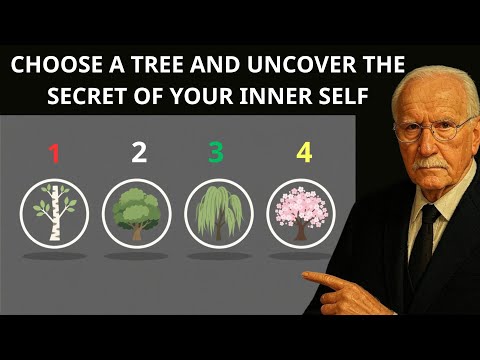
Hey! So, have you ever wondered what your personality says about you? Like, deep down in those hidden corners of your mind? I mean, seriously, we all have quirks and traits that make us unique.
Well, I came across this super cool thing called the Tree Personality Test. Sounds a bit goofy, right? But trust me, it’s actually pretty enlightening. You get to think about what kind of tree you’d be and what that says about who you are.
It’s like peeking into your own soul without needing a crystal ball. Plus, it’s fun! So why not give it a shot? You might just discover something surprising about yourself. Let’s dig in!
Discover Your Inner Self: Download the Tree Personality Test PDF for Insightful Self-Discovery
So, you’re curious about the Tree Personality Test, huh? That’s pretty interesting! This test is a fun way to explore your inner self. Basically, it asks you to draw a tree and then analyzes the details of your drawing to give insights into your personality.
Why Trees? You might wonder why trees are used in this kind of personality test. Well, trees symbolize growth, strength, and rootedness. They represent deep emotional states and personal experiences. Plus, everyone has their own unique way of interpreting what a tree means to them. So when you draw one, it’s like unveiling parts of yourself that might not be so obvious.
When you sit down with the Tree Personality Test, consider these elements for self-discovery:
- The Trunk: A strong trunk can indicate confidence and stability. If your trunk is thin or wobbly, it might suggest feelings of insecurity.
- The Roots: Deep roots show that you’re grounded and secure in yourself. Shallow or no roots could point toward being disconnected or feeling lost.
- The Leaves: The fullness of leaves can reflect how you connect with others. Sparse leaves may indicate social withdrawal or a feeling of loneliness.
- The Branches: Long branches suggest openness to new experiences while short branches might mean you’re more reserved or cautious.
So let’s think about a quick story here: imagine Sarah sat down one day because she was feeling all sorts of mixed emotions—like she was stuck in a rut. She drew a big oak tree with sprawling branches and lots of leaves. When reflecting on her drawing after taking the test, she realized that even though she felt trapped sometimes; her branches represented her desire for growth and new experiences! It helped her understand herself better.
After completing the test, some people find themselves reflecting on their relationships, ambitions, and fears in ways they hadn’t thought about before. It’s like shining a light on parts of your emotional landscape!
Still curious? You could get your hands on the PDF version if you want something structured in front of you while doing this exercise at home. Just remember: it’s all about understanding yourself better rather than passing judgment on your art skills!
In summary (not saying I’m wrapping it up just yet!), exploring tools like the Tree Personality Test can lead to some serious revelations about who we are at our core. It’s an engaging way to dig deep without getting too heavy-handed about it all—just grab some paper and let those artistic juices flow!
Unlocking Your Mind: What the Tree Drawing Psychology Test Reveals About You
The Tree Drawing Test is one of those fascinating psychological tools that can give you some insight into your personality. You know, it’s like looking in a mirror but instead of your face, you see your inner self. Basically, you grab a piece of paper and draw a tree. Sounds simple, right? But what happens next is where it gets interesting.
First off, what’s the idea behind this test? The whole concept is based on the idea that how you draw the tree reflects your personality traits and emotional state. It taps into your subconscious feelings and thoughts. When you’re creating something as basic as a tree, you’re not just drawing; you’re revealing layers of who you are.
Let’s talk about some elements that might come into play in your drawing:
- The size of the tree: A big tree might suggest confidence or an outgoing personality. A smaller tree could indicate shyness or insecurity.
- The roots: Deep roots might symbolize strong foundations in life, while absent roots could point to feelings of instability.
- The trunk: A thick trunk suggests stability and strength; on the flip side, a thin trunk could hint at fragility.
- The branches: Are they spread wide or sparse? Wide branches often signify openness to experiences and connections with others.
- The leaves: Full leaves could indicate warmth and vitality; missing leaves might reflect feelings of emptiness or loss.
You see how each part tells its own little story? It’s kind of like when someone tells you about their day—every detail matters.
Anecdote time! I remember when I first tried this with a friend during a casual hangout. They drew this sprawling oak with tons of branches reaching outwards. It was beautiful! But after we talked about it, they revealed they’d been feeling pretty lonely lately despite all those branches—kind of ironic, huh? Their unconscious had spoken through that drawing.
So why is this test still relevant today? Well, it helps therapists understand their clients better without diving straight into heavy conversation. Sometimes it’s easier to express feelings through art than words. Plus, it can kick off conversations about deeper issues without putting anyone on the defensive.
But here’s the thing: while the Tree Drawing Test can be insightful, it shouldn’t be viewed as definitive or diagnostic on its own. Think of it more like a fun little peek into what’s going on inside rather than an absolute judgment on who you are.
In summary, if you’re ever curious about exploring yourself in an unconventional way—or just need to pass time—you might want to give this tree drawing test a shot! Just remember that each stroke holds meaning and can lead to understanding something new about yourself.
Comprehensive Guide to Baum Test Interpretation: Downloadable PDF Resource
The Baum Test is a cool way to learn about yourself, using a simple tree drawing. You know, it can tell you a lot about your personality and emotional state. When someone asks you to draw a tree, it might seem silly at first—like something out of kindergarten—but trust me, there’s some serious psychology behind it.
First off, let’s chat about what the Baum Test actually measures. It focuses on various aspects of your personality based on how you draw the tree. Some of the elements examined include the size of the tree, its roots, branches, and leaves. Each part symbolizes different traits and emotions.
When you’re interpreting this test, consider these points:
- Tree Size: A larger tree may represent confidence or presence in life. If it’s small, it could indicate feelings of insecurity.
- Roots: Strong roots suggest stability and grounding in one’s life. Weak roots? Well, that might mean feeling uprooted or uncertain.
- Branches: How many branches you draw can reflect your social connections. More branches often symbolize a rich network of relationships.
- Leaves: Lots of leaves may show vitality and ambitions; fewer leaves might indicate feelings of stagnation or low energy.
- Barks: The texture and quality signify how well you handle tough situations—rough bark could mean struggle while smooth bark indicates ease.
Now, this test isn’t just about drawing skills—if your tree looks more like a stick figure version rather than something lush and alive, that might signal where you’re at emotionally. For instance, if I drew a bare trunk with no leaves or branches one day? That’d be my way of expressing feeling drained or lost.
You should also pay attention to **where you place the tree** on the page. Is it towards the bottom? Maybe that hints at feeling low or pessimistic. Near the top? That could suggest hopefulness or aspirations.
One time I tried this with a friend who was going through some rough patches in her life. She drew an oddly shaped tree with crooked branches and hardly any roots showing—all signs pointing to her feeling overwhelmed and off-balance emotionally. It was an eye-opener for both of us!
So if you’re interested in exploring yourself through this method (and maybe even having some fun!), look for resources that break down interpretation further or offer downloadable guides explaining it all in depth—because who doesn’t love unraveling their inner self?
You know, I’ve always found personality tests a bit of a mixed bag. Some seem so deep and insightful, while others just feel like a fun quiz you’d find in a magazine, right? But then there’s the Tree Personality Test, which is kind of intriguing. I tried it once, and my experience really got me thinking about how we view ourselves.
So, the test is all about drawing a tree. Sounds simple enough! But when you start to think about what kind of tree you want to draw—like the size, shape, or if it has roots and leaves—it starts to reveal some interesting stuff about your personality. When I did it, I drew this wild oak tree with sprawling branches. It felt good to let loose with that sketch!
Later on, though, I learned that the way we draw can show how we see our place in the world. For example, having deep roots might signal a desire for stability and connection while being super abstract could hint at creativity or maybe feeling lost sometimes.
There’s something really powerful about connecting art and self-reflection like that. And honestly? It made me think differently about my own life and feelings—like those branches reaching up toward something more meaningful. It’s pretty wild how an activity like drawing can spark our inner thoughts.
I guess what I’m saying is that even if personality tests aren’t everyone’s cup of tea, they can be fun ways to reconsider who we are or where we’re at in life. So if you’re up for some doodling therapy next time you’re feeling a bit stuck or just curious about yourself… give it a shot! You might just uncover something unexpected along the way.