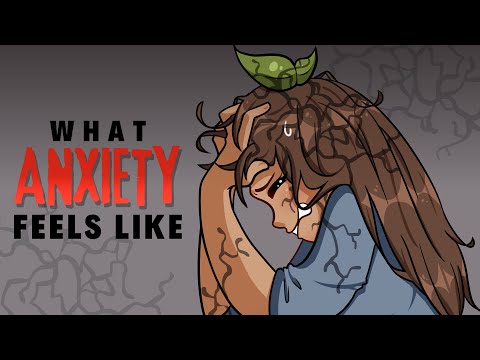
You know that feeling when your heart starts racing and your palms get all sweaty? Yep, that’s anxiety creeping in. It’s like, suddenly everything feels overwhelming, right?
Trembling anxiety can be a real game-changer. It messes with your mind and body in ways you might not even realize. We’ve all been there—like just trying to get through a regular day but feeling like you’re on high alert.
So, what’s the deal with this kind of anxiety? Well, it’s more than just those shaky hands. It can have a big impact on how you think and feel every day.
Stick around as we unpack what trembling anxiety is and what it can do to your mental health. Trust me, you’ll want to know!
Understanding the Link Between Anxiety and Constant Trembling: Causes and Solutions
Anxiety is like that annoying friend who shows up uninvited. It can really shake things up, literally! For some folks, anxiety manifests as constant trembling or shaking. You might feel it in your hands, legs, or even all over. This trembling can be pretty distressing and often raises questions about what’s going on under the surface.
When we talk about anxiety-induced trembling, it’s important to realize that this reaction has deep roots. Your body is wired for survival, right? So when you feel anxious, your body gets ready to fight or flee—this is the classic “fight or flight” response. During this process, adrenaline floods your system. And guess what? That adrenaline does a number on your muscles—they tense up and can even start shaking.
You might be wondering what causes these feelings of anxiety in the first place. Well, it can come from all sorts of places:
- Stressful situations: Things like work pressure, relationship issues, or financial worries.
- Past trauma: Unresolved experiences can cause lingering anxiety that pops up in tricky ways.
- Your environment: Sometimes just being in a crowded place or a high-stakes situation can get you all jittery.
- Medical conditions: Certain health issues can exacerbate anxiety and contribute to trembling.
Now let’s chat about how this constant shaking affects mental health. It’s not just annoying; it can lead to feelings of embarrassment or self-consciousness. You might find yourself avoiding social situations because you’re worried about how you look when you’re trembling. Can relate? I’ve been there! This avoidance behavior just makes the anxiety cycle worse—the more you avoid things that trigger those feelings, the stronger they often become.
So what’s the solution here? First off, acknowledging the link between anxiety and trembling is a big step forward. Here are some strategies worth considering:
- Cognitive Behavioral Therapy (CBT): This approach helps reframe negative thoughts and confront fears head-on.
- Breathing exercises: Techniques like deep breathing or mindfulness help calm your nervous system.
- Physical activity: Regular exercise releases endorphins which are natural mood boosters!
- Avoiding caffeine: Too much caffeine can crank up those jitters—be mindful of your intake.
For some people, medications may also play a role in managing their symptoms. Things like SSRIs (that stands for selective serotonin reuptake inhibitors) are sometimes prescribed to help with anxiety disorders.
Finding what works for you may take some time—and don’t forget that everyone’s experience with anxiety is unique! But taking those steps toward understanding and managing your anxiety is super important.
In wrapping this all up: Constant trembling linked to anxiety isn’t just something you have to live with—it’s something you can work through with the right approaches and support. Don’t be shy about reaching out for help if you need it; there are plenty of resources available!
Understanding the Long-Term Effects of Anxiety: Impacts on Mental and Physical Health
Anxiety can really mess with you, and often not just in the moment. When we’re talking about long-term effects, it’s a bit like peeling an onion—layer after layer reveals more complexities. So let’s break it down.
First off, anxiety doesn’t just affect your mind; it can have a real impact on your body too. If you think of feeling anxious like having a constant buzzing in your head, there’s actually some science behind that. It can elevate your heart rate, mess with your sleep patterns, and even leave you feeling fatigued—like you’ve run a marathon without ever leaving your couch.
There are different styles of anxiety, but let’s focus on something pretty common: **trembling anxiety**. This is when you feel shaky or jittery because of stress or worry. That physical response isn’t just annoying; it can become part of a cycle that keeps you trapped in anxiety’s grip.
Long-term anxiety might lead to mental health issues such as depression or panic disorder too. Here’s what happens: constant worry keeps your brain in high alert mode—not exactly conducive to peace or clarity. Over time, this could lead to feelings of hopelessness and sadness that are tough to shake off.
Then there’s the physical side—like how anxiety over time can increase your risk for chronic conditions. You know how they say stress is linked to heart problems? It’s true!
It all connects.
Take my friend Sam as an example—he struggled with social anxiety for years. The trembling would happen whenever he had to speak in public or even chat with friends at parties. Not surprisingly, he started avoiding those situations altogether. Slowly but surely, that led him down a path of isolation and depression.
Also, anxiety makes it super hard to take care of yourself. When every day feels like you’re running from some invisible monster, do you really think you’ll hit the gym or cook healthy meals? Probably not! So it’s easy for unhealthy habits to creep in—like junk food binges or binge-watching TV instead of doing something active.
In short, living with ongoing anxiety isn’t just about managing feelings; it shapes how you experience life overall. Mental health issues, physical health issues, lifestyle changes—all tied together like threads in a tapestry! And if one thread starts unraveling? Well, the whole thing could come apart at the seams.
So yeah, understanding those long-term effects is crucial if you’re looking for ways to manage anxiety effectively—or if someone close to you is going through this struggle. Support from friends or professionals? That’s key! It’s all connected; addressing one area often helps improve others too.
Immediate Solutions to Stop Shaking from Anxiety: Effective Tips and Techniques
Feeling that uncontrollable shaking or trembling during anxiety? It’s more common than you think. Many people experience this physical reaction when anxious, and while it can be distressing, there are some solid techniques to help calm those nerves.
First off, let’s talk about **breathing exercises**. They can be a game changer! When you’re feeling shaky, take a moment to focus on your breath. Try the 4-7-8 technique: inhale through your nose for 4 seconds, hold it for 7 seconds, then exhale through your mouth for 8 seconds. Seriously, this helps switch your body from panic mode to chill mode.
Meditation is another great tool in your toolbox. Just sitting quietly and focusing on your breath or even a calming mantra can work wonders for anxiety. A good starting point? Use apps or YouTube videos that guide you through short sessions.
- Grounding techniques
- Identify 5 things you can see.
- 4 things you can touch.
- 3 things you can hear.
- 2 things you can smell (even if that’s just the coffee brewing).
- 1 thing you can taste (maybe sip on some water).
This whole process helps calm the mind by using your senses.
If you’re out in public and feel that trembling creeping up, know that warm water can be comforting too! Drinking herbal tea or holding a warm drink can soothe the body and mind.
Mild exercise, even just stretching or taking a short walk, gets those endorphins flowing and reduces tension. Sometimes just shaking it out—like literally shaking your hands and legs—can help release all that pent-up energy.
You could also reach out to someone close to you. A quick chat with a friend or family member about what you’re feeling often makes a world of difference. Sharing what’s going on makes it less heavy to carry alone.
If you’re finding these moments happen frequently, consider looking into **professional support** like therapy. Therapists have loads of strategies up their sleeves tailored just for you!
The thing is—Anxiety shakes don’t define who you are. You’re not alone in this; plenty of folks struggle with similar feelings. Each time those feelings come up, remind yourself: “This too shall pass.” You got this!
You know, anxiety can really shake things up in our lives—literally. There’s this kind of anxiety that feels like your insides are quaking. I mean, it’s more than just feeling nervous; it can totally overwhelm you and turn everyday tasks into mountains to climb.
I remember a friend of mine who used to dread going to social events. Just the thought of stepping into a crowded room would make her stomach do somersaults. She’d start sweating and feel like she was about to explode with nerves. It wasn’t just the anxiety, though; it crept into her life like an unwanted roommate, impacting her friendships and work.
When you’re in that state—let’s call it trembling anxiety—it can mess with your mental health in some serious ways. It’s not just the physical symptoms, like shaking hands or a racing heart, but also the emotional stuff that really gets tangled up in there. You might feel isolated or helpless because you think nobody understands what you’re going through. That sense of being trapped can spiral into sadness or even depression.
And then there’s this thing called avoidance—you know? It’s when you start steering clear of situations that might trigger those anxious feelings. While it might feel good in the moment, over time, it makes your world smaller and smaller until you’re stuck in this tiny bubble of comfort that doesn’t really help you live fully.
The thing is, many times people don’t see how deeply trembling anxiety affects us mentally and emotionally until we hit a breaking point. It can seriously change how we see ourselves and our place in the world. And that’s kinda heavy if you think about it.
But here’s where hope comes into play! Therapy can be a real game changer for folks facing this kind of struggle. Talking things out with someone who gets it? Huge relief! Sometimes medication plays a role too; however, working on coping strategies together makes all the difference.
So yeah, if you’ve ever been caught up in that whirlwind of anxiety—shaking hands and all—you’re definitely not alone. Facing those trembles head-on is tough work but so worth it when you start reclaiming parts of your life you love again!