You know that feeling when your brain’s working against you? Like, you want to get things done, but it’s like your to-do list is speaking a whole different language?
That’s what executive functioning can feel like. It’s all about how we plan, organize, and manage our daily life. But when those skills trip us up, it can get super frustrating.
Imagine standing in front of a mountain of tasks and feeling paralyzed. Yeah, that’s the reality for many people facing challenges with executive functioning.
So let’s dig into this weird world together. You’re not alone in this struggle!
Understanding Executive Dysfunction: A Comprehensive Test Guide for Better Mental Health Management
Understanding executive dysfunction can feel like navigating through fog. You know something’s off, but you can’t quite put your finger on it. It’s not just about forgetting things or daydreaming. It’s like having a traffic light in your brain that’s stuck on red when you need to go.
Executive functions are these mental skills that help us plan, focus attention, remember instructions, and juggle multiple tasks. When they’re not working well, which we call executive dysfunction, everyday life can become super challenging.
You could be struggling with things like organization, time management, or even regulating emotions. Imagine trying to start a simple project but feeling overwhelmed by where to begin—yikes! That’s executive dysfunction messing with your workflow.
So what are common signs of this? Let’s break it down:
- Poor Time Management: Ever find yourself rushing last minute? Like that time you had a big paper due and spent the night before cramming? Classic sign.
- Difficulties with Organization: You might lose track of important papers or forget appointments constantly. It’s that sinking feeling when you realize you’ve missed something vital.
- Struggles with Focus: Maybe you find it hard to stay on task during work or school and get easily distracted by sounds or other activities around you.
- Emotional Regulation Issues: Sometimes emotions just hit hard—like unexpectedly feeling anxious during a casual chat. That’s your brain struggling to manage those feelings.
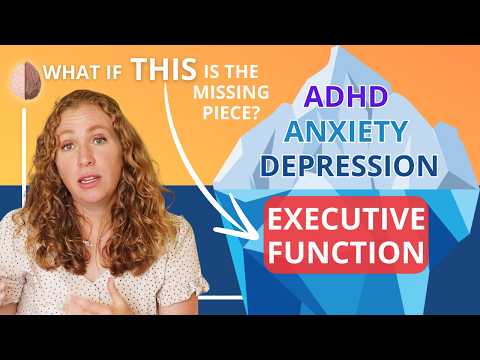
It’s really common for this type of dysfunction to pop up in conditions like ADHD, anxiety disorders, and depression. But hey, even if you don’t have a diagnosis, you might still experience these challenges.
Now let’s talk about some strategies for managing executive dysfunction better:
- Break Down Tasks: Instead of tackling a massive project all at once, break it into smaller bits. It’s less daunting and totally achievable!
- Create Routines: Establishing daily routines can help bring structure into your life. Think of it as creating a playlist for your day—good vibes only!
- Use Reminders: Set alarms on your phone or use calendars to keep track of important dates and tasks.
- Practice Self-Compassion: If things don’t go as planned, give yourself some grace! Everyone faces hurdles; it’s part of being human.
Working with a therapist who understands executive functioning could also make a world of difference. They can provide tailored strategies and support based on your unique experiences.
Feeling stuck in the weeds is super common; remember you’re not alone in this journey! Learning about executive dysfunction is just one step towards understanding yourself better and finding ways to cope more effectively.
So next time the fog rolls in too thickly, take a deep breath and remind yourself: it’s okay to seek help; it’s okay to ask for guidance; it’s all part of the process!
Understanding Executive Function Disorder in Adults: Key Insights and Management Strategies
So, executive function disorder, huh? It sounds technical, but it really boils down to how we plan, organize, manage time, and get things done. Think of it as your brain’s internal control center. When it’s not functioning well, tasks can feel like climbing a mountain with no gear.
People with executive function disorder might struggle with things you wouldn’t normally second guess. Imagine waking up and trying to decide what to eat for breakfast. That sounds simple, right? But for someone dealing with this, even that can turn into a whole production. It’s all about those little decisions that pile up and become overwhelming.
What exactly is executive function? Well, to put it simply, it’s a term for the mental skills we need to handle daily life. These skills help you set goals and stick to them. They also help you focus on tasks or switch gears when necessary.
Here are some key components of executive functioning:
- Planning: This is about setting out steps needed for tasks.
- Time Management: Knowing how long something will take is crucial.
- Working Memory: This helps keep information at hand while you use it.
- Self-Control: It’s all about regulating emotions and urges.
- Flexible Thinking: Being able to adapt when plans change.
When someone has executive function disorder, they might struggle with these areas daily. Let’s say you’re an adult who just can’t seem to stick to a routine or remember appointments; that’s frustrating! You might end up missing deadlines at work or feeling constantly behind.
Now the thing is—it often goes hand in hand with other conditions like ADHD or anxiety disorders. So if you’re already juggling those issues, adding executive dysfunction into the mix can feel like you’re on a never-ending rollercoaster ride.
But don’t lose hope! There are ways to manage this better:
Create Routines: Establishing predictable patterns can help ease some stress. Think of it as giving your brain a map.
Bite-sized Tasks: Break everything down into smaller chunks. Instead of “clean the house,” try “vacuum the living room.” It makes it seem less daunting!
Use Tools: Apps or planners can be lifesavers here. Set reminders on your phone—seriously! Making lists can transform chaos into organization.
Simplify Your Environment: A clutter-free space often leads to a clutter-free mind. Try tidying up your workspace; you’ll feel lighter instantly.
And here’s an emotional nugget: Imagine being late for every meeting because you forgot which day it was—again. That sinking feeling in your stomach? Yeah… it stings! In those moments, forgetfulness isn’t just annoying; it impacts your job and how others see you.
Working on these strategies takes time, so be patient with yourself! Celebrate small victories along the way; they add up quicker than you’d think.
If you’re feeling overwhelmed by executive function disorder—or even suspecting you might have it—it could be super helpful to chat with a mental health professional who gets this stuff. They can guide you toward strategies tailored just for you.
In essence, understanding this disorder could change how you navigate life challenges dramatically. It’s about finding what works for **you**, crafting your own toolkit over time so that those mountains start looking more like hills!
Ultimate Executive Functioning Disorder Checklist: Identify and Overcome Challenges
Executive functioning is, like, a big deal when it comes to how we manage our daily lives. It’s all about those mental processes that help us plan, focus, remember things, and control our impulses. When this stuff doesn’t work quite right, it can really mess with your day-to-day activities.
So, here’s the thing. A lot of people struggle with executive functioning issues without even realizing it. Maybe you find yourself procrastinating way too often or forgetting important tasks. It’s not a character flaw; it’s just the brain having a tough time.
Let’s break down some of the common challenges you might face if executive functioning is an issue for you:
- Time Management: You might find it hard to estimate how long things take or forget deadlines altogether.
- Organization: Keeping track of your stuff—like papers or digital files—can feel overwhelming.
- Focus: Staying on task can be tricky. You might switch from one project to another without finishing anything.
- Task Initiation: Getting started on things could feel impossible sometimes.
- Impulse Control: You might act without thinking or struggle to wait your turn in conversations.
Imagine this: Last week, I was chatting with a friend who was so stressed about her work deadlines. She kept saying she’d start her report early but would end up binge-watching shows instead. Seriously relatable, right? That feeling of being stuck in “I’ll do it later” mode is pretty common when executive functions are outta whack.
Now let’s talk about some ways to tackle these challenges because it’s not all doom and gloom! Here are a few strategies that could help:
- Create Routines: It helps to have a set schedule for your day. This can provide structure and make tasks feel more manageable.
- Use Visual Aids: Charts and lists can be super handy for keeping track of tasks and deadlines.
- Pace Yourself: Break tasks into smaller steps. Tackling one little piece at a time makes everything less daunting.
- Ditch Distractions: Identify what pulls your focus away (like phone notifications) and minimize them while working on tasks.
- Practice Mindfulness: This helps with staying present and managing stress levels which can really boost focus.
The human brain is kinda like an orchestra; when everything’s in sync, it plays beautiful music. But if one instrument goes off-key? Yeah, that music can sound chaotic fast! Finding ways to improve your executive functioning is like tuning that orchestra.
You’re definitely not alone in facing these struggles; many people deal with similar issues every day. If you’re finding things particularly tough, reaching out for support from friends or professionals can make a huge difference too.
You know, executive functioning is one of those things you don’t really think about until it’s causing chaos in your life. It’s like the manager of your brain, making sure everything runs smoothly—planning, organizing, making decisions, and even regulating emotions. When it’s not working right, life can feel overwhelming.
I remember a friend who kept losing track of time. Like, she’d plan out her day but would end up late or forget important tasks. It messed with her job and her relationships a lot. One day she burst into tears while we were having coffee and just said she felt like a mess. That was when we started talking about how executive dysfunction was playing a huge role in all this.
So here’s the deal: challenges with executive functioning often show up in mental health issues like ADHD or anxiety. Imagine trying to concentrate on a task at work or school when your mind is racing about what to make for dinner or that fight with your best friend. It’s exhausting! You might feel frustrated because you know what you want to achieve but can’t seem to get there.
These challenges can also make it tough to manage emotions. Say you have a bad day at work; instead of processing that feeling, you might just slam down your bag and snap at someone close to you without thinking twice. The part of you that normally regulates those reactions gets all jumbled up.
A lot of people don’t realize that improving executive functioning can seriously help with overall mental health. It’s not always easy though! Strategies like breaking tasks into smaller steps, using planners or reminders, and even mindfulness techniques can be game-changers.
But remember, it’s okay to struggle with this stuff! Reaching out for support—whether from friends, family, or professionals—can really make a difference in figuring out how to navigate these challenges effectively. You’re not alone if that’s something you’re dealing with. Trying to manage executive functioning issues takes effort, but many folks have been there too and found a way through the maze!