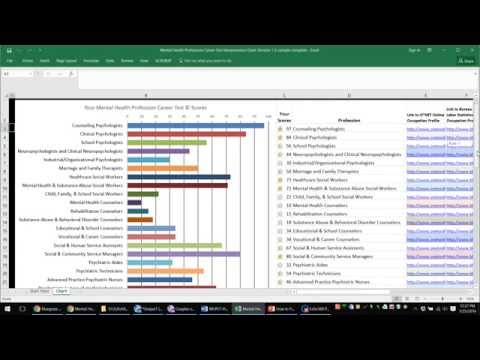
You know, sometimes figuring out what you want to do in life feels like a puzzle with missing pieces. Like, where do you even start?
That’s where tools like the Truity Career Test come in. Seriously, it’s a game changer for anyone trying to find their way.
Especially if you’re in the mental health field, this test can give you some real insights into your strengths and what might light a fire under your professional journey.
Imagine learning that there’s a whole world of careers that match your personality! It’s kinda exciting, right?
So, let’s chat about how this test can help you discover new paths and maybe even surprise you along the way.
Discovering Free Career Assessment: Is the Truity Career Test Worth It?
So, you’re curious about the Truity Career Test and whether it’s worth your time, especially for mental health professionals? That’s a cool thing to explore. Career assessments can be really helpful when you’re navigating the sometimes tricky waters of job choices. Let’s break this down.
First off, Truity is known for providing personality and career assessments that are based on established psychological theories, like the Myers-Briggs Type Indicator (MBTI) or Holland code. This means you’re diving into stuff that actually has some research behind it, which is a big plus.
One of the main reasons people take career tests is to gain clarity on what careers might fit them best based on their personality traits. If you’ve ever felt lost or confused about what job would suit you or wondered if you’re in the right field, these tests can help streamline that process.
- Cost: The best part? Truity offers some free assessments. While there are paid options that go deeper, you can get valuable insights without spending a dime.
- Accessibility: You don’t need to be sitting in a therapist’s office or pay for expensive sessions just to find out what job suits your style.
- User-friendly: The online format is simple to navigate. You answer questions about your preferences and values and get results pretty quickly.
Think about it this way: imagine you’re someone who has spent years working as a therapist but feels unfulfilled. You try out the Truity test, and boom! It suggests roles in educational psychology or corporate training—areas you hadn’t considered before!
Now let’s not ignore the downsides. No test is perfect. Some findings might feel a little too generalized or not entirely resonate with your personal experiences. It’s important to remember that these tests are just one tool in figuring things out; they should complement other methods of self-discovery.
And if you’re a mental health professional yourself? Using something like the Truity test can also be beneficial for your clients who are unsure about their career paths. You could even leverage their results to guide conversations in therapy sessions—kind of like having an icebreaker for those hard-to-navigate discussions.
But here’s where things get real: you shouldn’t solely rely on any single test. They provide insights but don’t define you. Mix this with self-reflection, consultation with mentors, and even real-world experiences in various fields.
In summary, exploring something like the Truity Career Test can definitely open up new perspectives on your career path without costing you anything upfront. Just keep those limitations in mind while using it as part of a broader strategy for figuring out where you want to go next!
Discovering Your Ideal Career Path: How Personality Tests Can Guide Your Journey
Finding the right career path can feel a bit like searching for a needle in a haystack, right? You might be wondering, “Where do I even start?” That’s where personality tests come into play. They’re not just for fun; they can provide real insights into what could make you happy and fulfilled in your work life.
First off, let’s talk about what these tests do. Basically, they help identify your strengths, preferences, and values. The Truity Career Test, for instance, is designed to show how your personality aligns with different careers. It’s based on the idea that if you understand yourself better, you can find a job that suits you.
When you take one of these tests, you’re often put into categories or types. Each type usually has certain characteristics. For example:
- Artistic: If you’re creative and love expressing ideas through art or design, this could be your jam.
- Investigative: Are you curious and analytical? Maybe a career in science or research would fit.
- Social: If helping others brings you joy, professions in mental health or education might resonate with you.
It’s kind of like using a compass! Imagine Jenna—she loved art but felt stuck in an office job that drained her energy. After taking the Truity test, she discovered she was an “Artistic” type. This revelation led her to pursue graphic design—now she feels like she’s finally where she belongs!
Now here’s something important: no test can fully define your worth or potential. They give useful guidelines but aren’t the final say! You still need to explore jobs and gain experience to really figure out what resonates with you.
Also, remember that some jobs may require more than just your personality traits. Education and skills matter too! For instance, if you’ve got an artistic vibe but don’t know how to use design software yet—it might be time for some classes!
Another thing is how these tests consider not just what you’re good at but also what motivates you. Do you thrive on teamwork? Or do you prefer working solo? Understanding this can really guide your path.
So here’s the kicker: use those insights wisely! Take note of jobs that are mentioned during your testing. Research those fields. Look at job descriptions and connect with professionals working there; it gives real-life context to the test results.
To wrap it up: finding your ideal career isn’t just about choosing something from a list based on a test score. It’s about understanding yourself better through those scores—your likes, dislikes, strengths—and then exploring options that excite you!
Ultimately, personality tests like Truity’s can be powerful tools in your journey toward the perfect career fit—it’s all about pairing who you are with what you want. Take them seriously but keep it balanced with hands-on exploration—you’ll get there!
Unlocking Truity Career Test Insights: A Free Resource for Mental Health Professionals
The Truity Career Test is a useful resource for mental health professionals, providing insights into personality types and career paths. Seriously, it’s like a compass that can help guide both clients and counselors in discovering what might fit best for individuals.
Understanding Personality Types helps professionals better comprehend the unique traits of their clients. The test is rooted in established psychological theories, breaking down complex personalities into understandable categories. This can make life easier for a therapist aiming to tailor their approach.
For instance, let’s say you’re working with someone who scores high as an extrovert on the Truity test. You might notice they thrive in social settings but struggle with solitary tasks. Knowing this can influence how you guide them in choosing career options that allow for teamwork and social interaction.
Helping clients understand their results can spark important conversations about what they want out of life and work. It’s kind of like handing them a mirror that reflects not just who they are but also where they could go.
Facilitating Disclosure is another perk of using the Truity test results in therapy sessions. When clients see their personality types laid out on paper, it creates an opening for deeper discussions about their experiences and feelings related to past jobs or roles they’ve taken on.
Think of it like this: when someone realizes they felt drained at work because they weren’t aligned with their true self, it’s a breakthrough moment! They may start thinking about additional education or even changing careers altogether.
But here’s the thing. While the test provides valuable insights, it shouldn’t be viewed as the only tool in your toolbox. It should complement other assessment methods you use during counseling sessions.
In terms of accessibility, Truity offers its testing online, making it easy for both professionals and clients to access anytime—no waiting rooms needed! That convenience really helps keep discussions flowing when helping your client navigate their mental health alongside career choices.
So remember that while tests like Truity can provide guidelines and suggestions, each person’s journey is uniquely theirs. That means using these insights as stepping stones rather than solid dictates about who they should be or what careers they should pursue is crucial.
In sum, utilizing something like the Truity Career Test can definitely enrich your understanding as a mental health professional! It brings together aspects of personality with professional growth while highlighting that personal experiences matter too!
You know, figuring out your career path can be a real puzzle sometimes, especially in mental health. The Truity Career Test is one of those tools that can shed some light on things. It’s like having a little friend guiding you to discover what you’re naturally good at and what might make you happy.
I remember when I was just starting out in my own journey, feeling that mix of excitement and fear. I took a few assessments, and while they weren’t perfect, they did help narrow down areas I hadn’t even considered before—like specializing in child psychology or working with trauma survivors. It felt like I was peeling back layers of who I am and what really resonates with me.
The Truity test evaluates various personality traits and interests to give you insights into career options that align with who you are. For example, if you’re big on empathy and connection, it might point you toward roles like counseling or social work. But if you’re more analytical, something like research in psychology could be highlighted. It’s kind of cool how it connects your inner self with practical career choices, don’t you think?
But here’s the thing: while the Truity test can offer valuable insights, it shouldn’t be the sole thing guiding your choice. Sometimes we get so wrapped up in results that we forget to listen to our own voices—the ones whispering about our passions and values. You can take all the tests out there, but at the end of the day, no one knows you better than yourself.
So yeah, using tools like Truity is great as a starting point or for getting some clarity. Just remember to keep your heart in the mix when making decisions about your future in mental health. Embrace those moments of doubt; they often lead to growth!