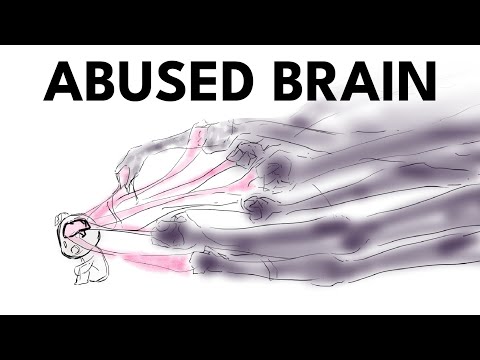
Trust issues, huh? They can really mess with your head. You know, that nagging feeling that no one has your back? It’s tough.
I once had a friend who second-guessed every word that came out of my mouth. Every time I’d say, “I’ve got your back,” they’d raise an eyebrow like I was about to pull a fast one. It’s exhausting, right?
But trust is more than just a feeling—it’s like the glue that holds relationships together. When it cracks, things can get messy.
So let’s chat about how those trust issues play out in our mental health. It’s a wild ride, and you might just relate.
Exploring the Impact of Trust Issues on Mental Health: Understanding the Connection
Trust issues can seriously shake up your mental health. Imagine you’re hanging out with friends, but deep down, you’re worried they might ditch you or talk behind your back. That gnawing feeling can turn into anxiety or even a full-blown panic attack. Trust is such a big deal in our lives. When it’s missing, everything feels off balance.
So, what are some signs of trust issues? You might notice that you:
- Struggle to open up to others because you’re afraid they’ll judge you.
- Constantly second-guess people’s intentions or think they’re being disloyal.
- Avoid relationships altogether to dodge potential betrayal.
- Overanalyze conversations, looking for hidden meanings that may not be there.
- Suffer from low self-esteem, thinking maybe you’re not worth someone else’s loyalty.
And the thing is, trust issues don’t just affect friendships or romantic relationships. They can seep into work life too. You may find it hard to collaborate with colleagues because you can’t shake the feeling that they want to outshine you or take credit for your ideas.
Let’s break down how these trust issues connect with your mental health. When you’re always on edge about whether or not people have your back, it can create a constant state of stress. And stress? Well, it’s like a vicious cycle; it leads to anxiety and depression, which in turn makes trusting people even harder.
Take Julie’s story as an example. She grew up in a family where promises were broken regularly—her parents would say they’d come to her soccer games but often didn’t show up. Over time, she learned not to depend on anyone. As an adult, she found it tough to form close relationships because she kept waiting for the other shoe to drop. That weight made her anxious and depressed; she felt isolated and thought no one would truly care about her anyway.
So how do we start tackling these trust issues? It really helps to:
- Reflect on past experiences: Understanding where these feelings come from can shine a light on why you struggle with trust today.
- Talk about it: Whether it’s with friends or a therapist, sharing your fears can lessen their hold over you.
- Practice small steps of trust: Start by being open with someone trustworthy about minor things and see how that goes.
- Challenge negative thoughts: Catch yourself thinking negatively about others’ intentions; try flipping that script—what evidence do you have?
- Cultivate self-compassion: Be kinder to yourself! Acknowledge that it’s okay to feel vulnerable; everyone goes through this at some point.
Understanding Trust Issues: Mental Disorders That Impact Relationships
Trust issues can really mess with our relationships, you know? They often come from past experiences, and they can create a sort of wall between you and the people around you. The thing is, trust issues aren’t just annoying; they can be linked to certain mental health disorders that deeply affect how we connect with others.
Attachment Styles play a big role here. You might have heard of secure and insecure attachment styles. If someone grew up in an environment where their caregivers were inconsistent or unavailable, it could lead to **insecure attachment**. This might make you feel anxious about relationships or even avoid them altogether. Think about it: if your childhood was marked by uncertainty, it’s tough to believe people will stick around as adults.
Then there’s anxiety disorders. When someone struggles with anxiety, it often comes hand-in-hand with trust issues. For instance, if you suffer from **social anxiety**, you might worry that others are judging you. This self-doubt can lead to second-guessing the intentions of friends or partners. You start to think everyone is out to hurt you or won’t take you seriously.
And let’s talk about post-traumatic stress disorder (PTSD). People who’ve gone through trauma often find it hard to trust others. Imagine having a bad experience in a relationship—like betrayal or abuse—and then trying to open up again later on! It’s not easy at all. You could end up pushing people away because you’re scared of getting hurt again.
You also see this in borderline personality disorder (BPD). A person with BPD might have intense emotions, which makes them feel like they need constant reassurance from loved ones. But at the same time, there’s this fear of abandonment that makes trusting really tough! It’s like being stuck on a roller coaster—you want closeness but also fear being let down.
Another angle is depression. Feeling low often leaves folks feeling isolated and unworthy of trust or love from others. When you’re down on yourself, it can be hard to believe anyone genuinely cares; it’s like looking through foggy glasses, distorting how you see relationships.
So what happens when someone has these trust issues? Well, they may end up having rocky friendships or romantic relationships filled with misunderstandings and conflict. Communication becomes strained when one person constantly suspects the other isn’t being honest.
Let’s say you’ve been friends for years but suddenly feel like your buddy is hiding something from you—that niggling feeling creeps in more and more until it’s unbearable! Instead of talking it out, doubts fester and can turn into fights over nothing serious at all.
Addressing these trust issues usually involves therapy; it helps us untangle those messy feelings and past experiences that shape us today. A good therapist can guide conversations around vulnerabilities and teach healthier ways to build connections without jumping straight into suspicion mode.
Working on trust isn’t easy—it takes time! But recognizing where those feelings come from can empower us to change how we connect with people for the better! It’s a journey worth taking because everyone deserves healthy relationships built on genuine understanding and support.
Understanding the Root Causes of Trust Issues: Key Insights and Solutions
Trust issues can feel like a heavy backpack you didn’t ask for, right? You know, when you’re constantly questioning if someone’s being real, or if they’re just going to ghost you the moment things get tough. It can be super draining. So, let’s break down what causes trust issues and what you can do about them.
Early Relationships Matter. Often, your first experiences with trust are shaped by your family. If you grew up in a home where adults were inconsistent or unreliable, those feelings might stick with you. For instance, maybe your parent promised to show up for a special event but didn’t. Over time, these little heartbreaks can add up, making it harder to believe anyone later on.
Trauma plays a huge role too. If you’ve experienced betrayal or trauma—like a partner cheating or friends turning their backs on you—your brain gets wired to be cautious. You might start seeing everyone through that lens of pain and fear of getting hurt again.
Then there’s attachment styles. This is psychological speak for how we relate to others based on our past experiences. For example, if you have an anxious attachment style, you might find yourself overanalyzing every text message or worrying about someone abandoning you at any moment. It keeps the cycle going because the more anxious you get, the less likely people might want to stick around due to that vibe.
Sometimes it’s not even about personal history but how society treats relationships in general. With all this online dating and fleeting connections nowadays, it can make anyone feel tentative about letting their guard down. Everyone seems so disposable with dating apps swiping left and right!
So what do we do about trust issues? Here are some ideas:
- Self-Reflection: Really think about where your feelings are coming from. Journaling can help make sense of those tangled thoughts.
- Open Communication: Talking things out with friends or partners is key! Letting them know you’re working through trust issues can create understanding.
- Therapy: A therapist can provide tools to navigate those feelings and help reframe your beliefs around trust.
- Take Small Steps: Try being open and trusting in small ways first; it doesn’t have to be all at once!
- Practice Self-Compassion: Be kind to yourself as you’re working through this stuff—it takes time!
Living with trust issues isn’t easy; they can impact everything from friendships to romantic relationships and even job dynamics. But the good news is that it’s totally possible to work towards healthier connections! By recognizing these root causes and proactively addressing them—you’re already on the right track! So hang in there; healing happens step by step!
Trust issues can be a real rollercoaster, huh? They’re those pesky little gremlins in our heads that make us second-guess everything. You might find yourself wondering if your friends really mean what they say or if your partner is being faithful. Just imagine standing on shaky ground, feeling like every relationship is a tightrope walk. It’s exhausting.
You know, I had a friend once who went through this. She was so wary of everyone after being betrayed by someone she trusted deeply. I remember her saying, “I just can’t believe anyone anymore.” And it broke my heart to see her like that. It wasn’t just about the lost friendships; it seeped into her self-esteem and even her work life. Every time she received feedback from her boss, she wondered if it was genuine or just polite nonsense.
So, what’s the deal with trust issues? They often come from past experiences where we’ve felt let down—maybe in childhood or from previous relationships. When someone breaks your trust, it can feel like the ground shifts beneath you. You start to build walls around yourself as a defense mechanism, thinking you’re keeping out pain. But over time, those walls can isolate you instead.
The thing is, when you struggle with trusting others, it doesn’t just impact relationships; it can lead to anxiety and depression too. Constantly questioning motives can create a spiral of negative thoughts that feed on each other. It’s like having this cloud hanging over you all the time—one minute you’re okay, and the next you’re thinking everyone’s out to get you.
Therapy can be super helpful here. Talking things out with a professional provides a safe space to unpack those feelings of distrust without judgment. Cognitive-behavioral therapy (CBT), for example, helps folks recognize patterns in their thinking and work toward changing them.
But honestly? Healing takes time and patience—kinda like tending to a garden filled with weeds and flowers all mixed up together. You might dig up some trust issues only to find more buried deep down; that’s okay too! It’s part of the process.
So yeah, if you’re grappling with trust issues or know someone who is, just remember you’re not alone in this journey—lots of us are navigating through it in different ways!