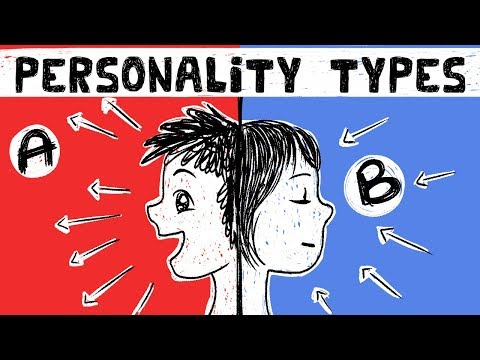
Hey! So, let’s chat about something kinda cool: the ABCD Personality Test. Ever thought about what makes you tick? Like, why you react to stuff the way you do?
This test is all about that. Seriously, it gives you a peek into your personality and can really help you understand yourself better. You know how sometimes things just feel confusing? Well, this little quiz can shed some light on those feelings.
Plus, it’s free! Who doesn’t love that? Let’s dive in and see what your personality reveals about your mental health journey. You ready?
Understanding Type A Personality: Health Risks and Challenges Explained
So, let’s chat about **Type A personality**. You probably know someone like this—a go-getter, super competitive, always on the move. While these traits can be inspiring, they can come with some serious health risks and challenges too.
Type A folks are driven and often perfectionists. That means they set really high standards for themselves—and not just that; they expect everyone else to keep up too! They tend to be impatient and easily frustrated, which can lead to stress and anxiety. This constant state of hustle can take a toll on both mental and physical health.
One big challenge is that people with Type A personalities often don’t know how to slow down. They might think that taking a break is a sign of weakness. But seriously, working non-stop is not sustainable! You ever seen someone who works through lunch every day? Just remember their body needs fuel, right?
Stress-related health issues are pretty common for Type A types. Here’s the deal: when you’re always in high gear, your body stays in a fight-or-flight mode. This can lead to things like elevated blood pressure or heart problems over time. There are some studies out there suggesting Type A individuals might even have a higher risk of heart disease.
Here are some key risks and challenges:
- Chronic Stress: Always being on edge can mess with your mental health.
- Burnout: If you push yourself too hard for too long, you might hit a wall.
- Relationship Issues: Being overly competitive or controlling can strain friendships and family bonds.
- Physical Health Problems: Increased risk of conditions like hypertension or cardiovascular issues.
It’s not all doom and gloom though! There are ways Type A personalities can manage these challenges without losing their drive. Practicing mindfulness or finding hobbies outside of work could help find that balance between ambition and relaxation.
Look at it this way: finding the sweet spot between striving for success while also giving yourself permission to chill out is key. Remember the last time you saw someone literally running from one meeting to another? That frantic pace isn’t just exhausting; it’s unhealthy.
In short, being a Type A personality has its perks—like getting stuff done—but it pays to keep an eye on the potential downsides too! Taking care of your mental health is just as important as achieving your goals. So don’t forget to breathe once in a while—you deserve it!
Discover Your Personality: Signs You’re Type A or Type B and What It Means for You
The whole idea of Type A and Type B personality comes from a theory that tries to explain how we think, feel, and act in the world. If you’re wondering which type you are, or if it even matters—let’s break it down together.
Type A personalities are often seen as competitive, ambitious, and highly organized. You know those people who seem to be always on the go? That’s a classic Type A trait. They’re the ones who thrive under pressure but can also get pretty stressed out easily. Think of someone who plans their day down to the minute. Ever been there? Maybe you’ve felt that urge to finish everything on your checklist before dinner rolls around.
On the flip side, Type B personalities are generally more relaxed and easy-going. They tend to take things as they come rather than stressing about every little detail. So maybe you find yourself chilling with friends instead of fretting over deadlines? That’s totally a Type B vibe! While they may not be as driven as Type As, they often enjoy life without that constant rush.
Understanding these types isn’t just for fun; it can give you some insight into how you handle stress, relationships, and even work situations. Here’s what I mean:
- Stress Management: Type A folks might need strategies like mindfulness or deep breathing because their intense drive can lead to burnout.
- Work Style: If you’re more Type A, you might prefer structured environments like offices where things are planned out.
- Social Interactions: Easy-going Type Bs usually enjoy spontaneous get-togethers without any rigid scheduling.
But remember, most people aren’t strictly one type or the other; many fall somewhere between A and B. That’s known as being a Type AB. Sometimes you’re the planner; sometimes you’re the chill friend. It varies based on situation or mood.
So what does this mean for your mental health? Your personality style affects how you cope with life’s ups and downs. For instance, if you’re constantly pushing yourself like a typical Type A, you might want to incorporate some self-care routines into your lifestyle to avoid anxiety and stress.
Another aspect is how these types interact with others. Like if you’re trying to work in a group project—knowing whether team members lean toward Type A or B can really help in finding common ground or adjusting communication styles.
In short, being aware of whether you’re more of a go-getter or an easy-going soul helps navigate life better—whether it’s at work, in friendships, or even when dealing with personal challenges. So next time stress creeps up on ya or maybe you’re feeling overwhelmed by that big project at work, think about which personality type resonates more with what you’re feeling right then!
Discover Your Personality with the Free ABCD Test: Unlock Insights for Better Mental Health Online
The ABCD Personality Test is a fun way to get some insights into your personality and how it might relate to your mental health. It’s based on a simple four-category system: A, B, C, and D. Each of these types reflects different traits and tendencies in how you see yourself and interact with the world.
Type A folks are usually driven and competitive. You know, those overachievers who always seem to have their lives together? They can struggle with stress because they’re constantly pushing themselves. But it’s not all bad! Their ambition can lead them to accomplish great things.
Then we have Type B, who are often easy-going and relaxed. If you’re more laid-back, that’s you! Type B individuals tend to take life as it comes but might sometimes struggle when faced with deadlines or intense pressure. Finding balance can be key here.
Now, if you’re a Type C, you probably value organization and attention to detail. You’re the planner in the group, right? These individuals often excel in roles that require precision but can get bogged down by perfectionism or analysis paralysis. Wondering why that last project took forever? Perfectionist tendencies could be part of it.
And let’s not forget about Type D. These folks are typically sensitive and empathetic. They might feel deeply about things that others brush off—like why your friend’s bad day hits home so hard for you. However, this sensitivity can sometimes lead to feeling overwhelmed or drained in social situations.
So what do you do with these insights? By understanding your dominant personality type from the ABCD test, you can gain clarity on how your traits affect your mental health. For instance, knowing you’re a Type A might help you recognize when it’s time to take a breather instead of grinding harder.
It’s like having a little map for navigating your feelings. You’ll likely find patterns between your personality traits and emotional challenges you face regularly—a wake-up call for focusing on personal growth!
If this all sounds interesting, taking the test online is usually free and pretty straightforward. Just remember: it’s one tool among many for understanding yourself better—not some crystal ball predicting everything about your future or mental health journey.
In summary, whether you’re an ambitious Type A or a sensitive Type D (or somewhere in between), recognizing these patterns helps open doors for better self-care strategies and communication styles in relationships. So go ahead—give the ABCD test a shot; it might just surprise you!
You know, personality tests can be such a mixed bag. On one hand, they’re kinda fun—like trying on different hats to see which one fits. But, on the other hand, they can feel a bit like trying to squeeze yourself into a box that doesn’t really match your vibe.
So, have you heard of the ABCD personality test? I took it once out of pure curiosity. At first, I thought it was just another online quiz that would tell me what type of pizza I am or something equally silly. But turns out, it’s a little deeper! It breaks down personalities into four types: A is for the go-getters, B is for the easy-going ones, C focuses on detail and perfectionism, and D leans toward being social and enthusiastic.
When I saw my results—pretty much an A with a sprinkle of C—I was surprised. It made sense! I’ve always been that person who dives headfirst into projects but also worries about every little detail. Remember that time I stressed over my friend’s birthday party planning? Yeah, it totally fits.
But here’s where it gets interesting: while these tests can shed some light on who we are, they’re not gospel truths. Life isn’t simply about fitting into one label or another. People are way more complex than just an «A» or «B.» So yeah, while the ABCD test might give you some insights into how you operate in the world and maybe even help with your mental health by increasing self-awareness—it’s crucial to take those insights with a grain of salt.
The good news? These tests can open up conversations about our traits and tendencies—like how being a C sometimes means you overthink things or how A-types might forget to chill out occasionally. And hey, if we can learn something about ourselves and be kinder to ourselves in the process, isn’t that worth exploring?
At the end of the day though, remember: it’s okay not to fit neatly into one category. Embrace your unique mix of traits! You’re not just an A or a B; you’re a whole beautiful combo of everything that makes you… well, you! And understanding that can be incredibly freeing for our mental health journey.