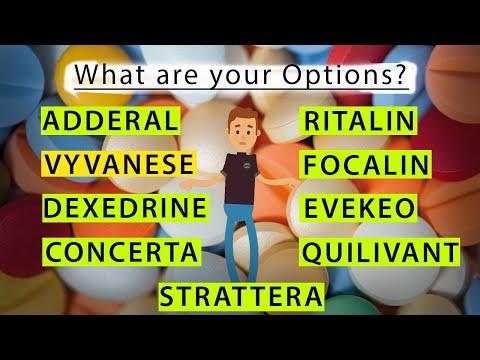
Hey there! Let’s chat about ADHD medications. You know, those little pills that some people swear by?
So, what’s the deal with them? They can totally change the game for folks dealing with ADHD. Like, seriously.
But it’s not all sunshine and rainbows. There are different types of meds out there, and they affect people in all sorts of ways—both good and not so good.
Ever wondered how they work in your brain? Or how they can make you feel? Well, stick around! We’re diving into that whole world right now.
Exploring the Emotional Effects of ADHD Medications: What You Should Know
When it comes to ADHD medications, there’s a lot of talk about how they work on your brain and help with focus. But what about the emotional side of things? That part is crucial, too. Let’s break it down, okay?
ADHD Medications and Emotions
So, basically, ADHD medications can affect your feelings in all sorts of ways. Some people find that these meds help calm the racing thoughts and feelings of overwhelm. Others might experience some frustrating side effects. You could feel more anxious or irritable when starting a new medication or adjusting your dose.
Stimulant vs. Non-Stimulant Medications
Most ADHD meds fall into two main categories: stimulants and non-stimulants.
- Stimulants: These are the big guns—like Ritalin or Adderall. They usually work quickly and improve focus by increasing dopamine levels in the brain.
- Non-stimulants: Meds like Strattera take longer to kick in but can be helpful for those who don’t respond well to stimulants or have anxiety concerns.
With stimulants, you might initially feel a burst of energy or even a sense of euphoria. It can be super exciting! But as the medication wears off, some folks report feeling tired or moody, like they hit a wall.
The Emotional Rollercoaster
I remember talking to a friend who had just started taking Adderall. At first, she felt amazing—so focused and productive! But as the day went on, she often found herself crashing hard emotionally. It’s like riding a rollercoaster; one moment you’re on top of the world, then you suddenly drop.
The key here is that everyone reacts differently. Some people find their mood stabilizes after getting used to the meds while others struggle with ups and downs along the way.
Anxiety and Irritability
It’s not uncommon to experience increased anxiety when starting ADHD medications. Imagine having all this focus but feeling extra jittery at the same time! This happens especially with stimulants because they ramp up your nervous system.
Similarly, irritability can creep in too. You might snap at little things that wouldn’t bother you before—like when someone chews loudly near you (ugh!).
The Importance of Communication
If you’re feeling weird emotionally after starting meds—or even if it’s been a while—talk about it with your doctor or therapist! Seriously, keeping them in the loop helps so much in finding what works best for you.
And don’t forget: medication is just one piece of the puzzle when managing ADHD. Therapy can really help support emotional regulation alongside meds!
Your Emotional Well-Being Matters
Ultimately, being aware of how ADHD medications impact your emotions is super important for managing your overall well-being. So keep an open line of communication with healthcare providers!
Finding what works takes time – but you’re not alone on this journey! Remember that understanding yourself emotionally will always put you one step ahead in trying to make those meds work better for you.
Top ADHD Medications for Adults: Discover the Most Effective Treatments Available
When we talk about ADHD medications for adults, it’s important to understand what they do and how they work. So let’s break it down in a way that makes sense.
ADHD, or Attention-Deficit/Hyperactivity Disorder, can be a real challenge. It affects your ability to focus, organize tasks, and manage time effectively. But don’t worry—there are treatments out there that can help.
Stimulant Medications are usually the first line of treatment for ADHD. They work by increasing the levels of certain neurotransmitters in the brain, mainly dopamine and norepinephrine. These brain chemicals help with attention and focus.
- Adderall: This one combines amphetamine salts and is often prescribed because it can help boost concentration for many people.
- Ritalin: Methylphenidate is its active ingredient. It’s another common choice that tends to act quickly too.
- Vyvanse: This one’s a prodrug, meaning it gets converted to its active form in your body. It generally provides longer-lasting effects without the same immediate peaks or crashes.
Now, some folks might find themselves worrying about side effects when taking these medications—totally understandable! Stimulants can sometimes lead to anxiety, increased heart rate, or insomnia. It’s so important to have an open chat with your doctor about these things.
But you know what? Not everyone reacts well to stimulants. That’s where non-stimulant medications come into play. They’re a good option for those who experience side effects from stimulants or have conditions like anxiety that could worsen with them.
- Strattera: Unlike stimulants, this one works through norepinephrine reuptake inhibition—basically helping make norepinephrine more available in your brain.
- Intuniv: Guanfacine helps manage impulsivity and hyperactivity; it can also assist with emotional regulation.
- Kapvay: Clonidine is another non-stimulant option focused on reducing hyperactivity while often improving sleep issues as well.
So here’s the thing: finding the right medication takes a bit of time and experimentation sometimes. You might start on one and realize it doesn’t quite fit your needs—and that’s okay! It’s all part of the process.
And you know what? Medication is just one piece of the puzzle! Therapy options like cognitive-behavioral therapy (CBT) can work wonders alongside medication by teaching you practical skills you need for everyday life.
At the end of the day, managing ADHD effectively means understanding medication options while also being open to other supportive strategies like therapy or lifestyle adjustments.
Remember this: everyone’s experience with ADHD is different. What works for your buddy may not work for you—and that’s completely normal. Keeping that two-way street open with your healthcare provider will make sure you’re on the right path!
Top ADHD Medications for Adults Managing Anxiety: A Comprehensive Guide
Managing ADHD as an adult can be a real juggling act, especially when anxiety tags along for the ride. You know, it’s like trying to balance on a tightrope while someone’s throwing things at you. It can feel overwhelming! So, let’s break down some of the top ADHD medications that people often consider while also dealing with anxiety.
Stimulant Medications
These are usually the first go-to for treating ADHD. They work by increasing levels of certain neurotransmitters in the brain, which help with focus and attention.
- Methylphenidate (like Ritalin or Concerta): This is super common and can work wonders for many people with ADHD.
- Amphetamines (like Adderall or Vyvanse): These can be effective too but might increase anxiety in some folks.
The thing is, stimulants can sometimes make anxiety worse. If you’re already feeling jittery or tense, adding one of these might not be the best idea. It’s all about finding what works for you!
Non-Stimulant Medications
If stimulants aren’t your best buddy, there are non-stimulant options to consider.
- Atomoxetine (Strattera): This one specifically targets norepinephrine and doesn’t usually amp up anxiety levels!
- Guanfacine (Intuniv): Originally designed for hypertension, it helps with impulses and may reduce anxiety symptoms too.
Many people find that non-stimulants like Atomoxetine help them manage both ADHD symptoms and anxiety much better than stimulants would.
Atypical Antidepressants
Sometimes doctors mix things up a bit by using medications meant for depression instead.
- Bupropion: This one is interesting because it’s known to help lessen ADHD symptoms while also giving a bit of relief from anxiety.
- Duloxetine: This dual-action medication treats both depression and anxiety which could help if you’re feeling down too!
But—just keep in mind—everyone reacts differently to medications! What works wonders for your friend might not do anything for you.
A Look at Side Effects
Yeah, side effects are definitely something to think about when choosing meds. Stimulants might cause insomnia or increased heart rates. Non-stimulants tend to have milder side effects but can still include fatigue or dry mouth.
Don’t shy away from chatting openly with your healthcare provider about how you’re feeling on any medication you try. They’ll appreciate the feedback plus help steer you in the right direction!
The Wrap-Up
Finding the right medication mix often takes some time and patience. There’s no one-size-fits-all answer here; it’s really about trial and error until you find your sweet spot. Listen to your body and stay connected with professionals who understand where you’re coming from.
Managing both ADHD and anxiety isn’t easy but figuring out what works best for you can lead to brighter days ahead!
So, let’s chat a bit about ADHD medications and what they do to our minds. You might know someone with ADHD or maybe you’ve dealt with it yourself. I remember my buddy Sam sharing how he felt like thoughts were a rapid-fire movie playing in his head—impossible to pause or rewind. It can be overwhelming, right?
Now, when it comes to meds for ADHD, the big players usually fall into two categories: stimulants and non-stimulants. Stimulants like Adderall or Ritalin are the heavyweights. They work by increasing certain chemicals in the brain that help with focus and attention. Think of them as turning up the volume on your favorite song so you can really vibe with it. But hey, they aren’t for everyone! Some people report feeling jittery or anxious when taking these.
Then there are non-stimulants, like Strattera. These work differently; they might not kick in as quickly but can be helpful for many too. It’s like sipping hot cocoa slowly instead of chugging an energy drink—more of a steady warmth than an immediate jolt.
The psychological effects can vary widely. While many folks find relief from their racing thoughts and distractibility, some may experience side effects that interfere with their mood or sleep patterns. Like when Sam started feeling super focused at first but then found himself way too wound up at night to sleep—a total drag.
And let’s talk about the emotional side of things too! Many people feel a sense of relief when they start medication; it feels like finally being able to catch your breath after sprinting through life! But on the flip side, some worry about being “medicated” or losing their personality—like they’re not fully themselves anymore.
Navigating this whole process can be complicated and emotional—there’s definitely no one-size-fits-all approach here! It often takes trial and error to find what works best for you or your loved ones. So if you’re thinking about ADHD meds for yourself or someone close to you, keeping communication open is super key. Talk about feelings and any concerns that pop up because navigating our minds should never feel like we’re doing it alone!