You know those little habits we all have? Like biting your nails when you’re stressed or reaching for a snack while binge-watching your favorite show? That’s conditioning in action, my friend.
Basically, it’s how our brains learn to connect certain things with specific behaviors. You feel a certain way, and boom—there goes the habit.
So, what’s the scoop on this whole conditioning thing? Let’s break it down and explore the key types. Understanding them can really change how you see yourself and others around you.
Get ready to dive into how these patterns shape our lives every day!
Exploring the 4 Types of Conditioning: Understanding Behavioral Psychology
So, you’ve heard about conditioning in psychology, right? It’s pretty cool how our behaviors can be shaped by the stuff that happens around us. Basically, conditioning is all about how we learn. There are four main types: **classical conditioning**, **operant conditioning**, **observational learning**, and **cognitive conditioning**. Let’s break these down and see what they’re all about.
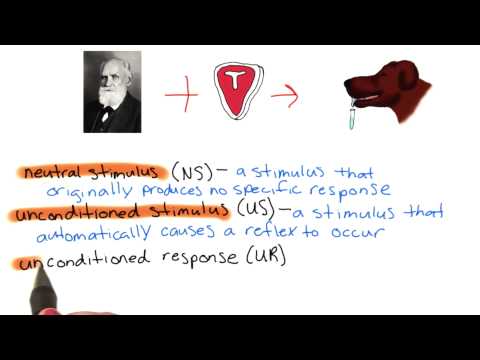
Classical Conditioning is like when a kid hears the ice cream truck jingle and gets all excited. It’s not just about the sound; it’s the connection they’ve made. This technique was famously explored by Ivan Pavlov with his dogs. He noticed that they would salivate not just at food but also when they heard a bell he’d ring before feeding them. Over time, just ringing the bell made them expect food. This shows how we can associate a neutral stimulus with a significant one.
Then you have Operant Conditioning, which is all about rewards and punishments. You know how giving a dog a treat for sitting helps it learn to sit? That’s operant conditioning in action! B.F. Skinner was the big name behind this concept. Think of it as behavior modification through consequences. If you get good grades, maybe you earn extra screen time or some other reward. But if you forget to do your chores, well, that might mean losing out on something fun.
Observational Learning, sometimes called social learning, happens when you watch someone else and learn from what they do—kind of like how kids pick up things from their parents or favorite characters on TV. Albert Bandura did some groundbreaking work on this with his Bobo doll experiments, showing that kids mimic aggressive behavior after watching adults act aggressively toward a doll! It’s wild to think about how much we can learn just by watching others.
Finally, there’s Cognitive Conditioning. This one blends thoughts into the mix—basically, it looks at how mental processes affect behavior and learning. Say you’re preparing for an exam: if you believe you’re going to ace it based on your study habits (that self-talk), your anxiety levels might drop, making the whole experience easier! This isn’t purely about external reinforcement; it’s also what goes on inside your head shaping how you respond to situations.
So yeah, those four types of conditioning really show us how diverse our learning processes are! Whether it’s through direct experience or simply observing others, we’re constantly picking up cues from our surroundings that shape who we are and how we behave in different situations—like navigating life itself!
Understanding the 5 Conditioning Processes: Key Concepts in Psychology
Understanding the 5 Conditioning Processes is pretty interesting stuff in psychology. So, let’s break it down, shall we? Basically, conditioning refers to how we learn behaviors through experiences. It’s like when you hear a song and suddenly feel all nostalgic. That connection happened because of previous experiences that shaped your feelings.
1. Classical Conditioning is the first one to think about. This is where you associate one stimulus with another. A classic example here is Pavlov and his dogs. He rang a bell every time they were fed, and soon enough, just ringing the bell made the dogs salivate! It’s like how you might crave popcorn every time you smell it at the movies—you’ve connected that smell with the fun of watching films.
2. Operant Conditioning follows closely behind. This is all about rewards and punishments influencing behavior. If you get a treat for cleaning your room, you’re more likely to do it again; if you end up with a timeout for bad behavior, well, that might make you think twice next time! You see this a lot in parenting or even training pets.
3. Observational Learning, also known as social learning, happens when you watch others and mimic their behaviors. Think about kids—like when they notice an older sibling throwing a tantrum to get their way. They pick that up and might try it themselves! It shows how our environment can influence us deeply—even without direct experience.
4. Latent Learning involves learning that isn’t immediately obvious until there’s a reason to demonstrate it. For instance, imagine someone who knows their way around a new city because they’ve been paying attention during rides but never actively learned those routes until they’re on foot and need to find their way home! It’s like having hidden knowledge waiting for the right moment.
5. Insight Learning is like having an “aha!” moment when solving a problem after some contemplation or reflection—not because of direct conditioning or reinforcement but through understanding and cognitive processes instead. Picture this: you’re stuck on a puzzle for ages, then one day while washing dishes—a light bulb goes off! You suddenly see the solution clearly.
These conditioning processes shape so much of our behavior without us even realizing it sometimes! When you consider them together, they paint a picture of how intricate our learning approach can be throughout life—both big events and subtle moments contribute to who we are today.
Understanding the Impact of Conditioning on Behavior: Insights into Mental Health
Conditioning is a fascinating concept in psychology that refers to how our behaviors can be influenced by experience. There are two main types of conditioning—classical and operant—and both have a significant impact on mental health.
Classical conditioning happens when you learn to associate one thing with another. For example, if you hear a bell every time food is presented to a dog, eventually, the dog will salivate just from hearing the bell. This was demonstrated in Pavlov’s famous experiment. The thing is, this form of learning isn’t limited to dogs; it can affect humans too. Imagine developing a fear of dogs after being bitten. That fear can stick around even when the dog isn’t harmful anymore.
Then there’s operant conditioning, which involves learning through consequences. When you do something and get rewarded for it, you’re likely to repeat that behavior. On the flip side, if something negative happens as a result of your actions, you’re less likely to do it again. Think about when kids misbehave and only get attention when they’re acting out—this reinforces their bad behavior because they learn that’s how they can get noticed.
So how does all this tie into mental health? Well, our experiences shape our behaviors, which then influence our emotional states. If you’ve been conditioned to react negatively to certain situations or people because of past experiences—like feeling anxious in crowded places—that’s directly tied to your mental health. It’s like your brain creates shortcuts that help or hinder you based on what it’s learned.
Here are some key points about how conditioning affects behavior:
- Emotional responses: Classical conditioning leads us to develop strong emotional reactions based on past experiences.
- Behavior patterns: Operant conditioning shapes repeated behaviors through rewards and punishments.
- Mental health disorders: Many conditions like anxiety or PTSD can stem from conditioned responses.
- Therapeutic approaches: Understanding these processes helps therapists work with clients using techniques like exposure therapy.
Think about someone with social anxiety who avoids parties because they once got embarrassed at one—it’s not just avoidance; it’s a conditioned response kicking in. They learned that being around others could lead to discomfort and panic.
The way we understand ourselves and the world is often rooted in these learned experiences. And unlearning those associations can be tough but totally possible through therapy and self-reflection.
Ultimately, understanding conditioning gives us insights into not just individual behavior but also broader social dynamics too. Whether it’s working on personal habits or addressing larger population-wide issues like stigma around mental health—you see how deep this goes? Our minds are incredibly adaptable, and recognizing these patterns is key for growth and healing!
Conditioning, huh? It’s like one of those behind-the-scenes gadgets in our brains that shapes how we act. You probably don’t think about it, but every day, our experiences and surroundings are doing a number on us, influencing our behaviors without us even realizing it. It’s wild.
So, let’s talk about the two big players in the conditioning game: classical conditioning and operant conditioning. Classical conditioning is where you learn to associate two things together. A classic example is Pavlov’s dogs. They heard a bell and got food, right? Eventually, they salivated at just the sound of the bell. That kinda gives you a peek into how we can connect certain stimuli with reactions. You know how sometimes a specific song can bring back memories from your high school days? That’s classical conditioning at work!
Then you’ve got operant conditioning, which is more about rewards and punishments. This one’s all about consequences shaping behavior—like if you get a cookie for cleaning your room, you’re probably gonna keep cleaning your room! It’s like training a puppy; give it treats for good behavior and it learns to repeat those actions.
I remember when I was trying to get my younger sibling to stop biting their nails during stressful times. I set up this little reward system where every week they didn’t bite their nails, they earned points toward something cool—a new video game or something. Over time, they learned to find other ways to cope with stress instead of just gnawing away at their fingers.
The impact of both types of conditioning on behavior is nothing short of incredible. They can help us develop habits—good ones or bad ones—without us fully realizing it. So if something keeps happening over time and you start behaving differently because of it? Yeah, that’s conditioning doing its thing!
It’s kinda comforting too because if we can get conditioned into habits we don’t want, then maybe we can unlearn them or create new ones that serve us better in life. You’re not stuck where you are; there’s always room for change! That’s a powerful thought when you break it down like that.