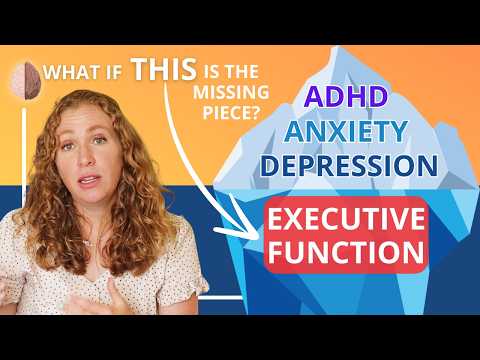
You know those days when you just can’t seem to get anything done? Like, you’ve got a million things on your to-do list, but your brain feels like it’s stuck in quicksand? Yeah, that’s kinda what executive dysfunction is all about.
It’s one of those hidden struggles that affects so many people, but not everyone gets it. Like, you might be super organized one moment and totally forgetful the next. And it can be frustrating—trust me on that.
So, let’s chat about the different types of executive dysfunction. Because understanding it might just help you— or someone you know— navigate this crazy thing called life a little easier. Sound good?
Understanding Executive Dysfunction: Mental Disorders That Impact Cognitive Function
Understanding executive dysfunction can feel a bit like trying to navigate a complicated maze, especially since it’s not just one thing. It’s, like, a collection of challenges related to thinking and decision-making processes. This affects how people plan, focus, remember things, and control their impulses. So let’s break it down in a way that makes sense.
What is Executive Dysfunction?
Executive dysfunction refers to difficulties in the brain’s ability to manage tasks that require planning, organization, and impulse control. It’s often seen in mental health conditions like ADHD, depression, anxiety disorders, and even autism spectrum disorder. When someone has executive dysfunction, they might struggle with daily tasks that seem basic for others.
You know when you sit down with a million things on your mind but can’t decide where to start? That feeling is pretty common for folks facing executive dysfunction. It’s not that they don’t want to get things done; it’s more like their brain is playing tricks on them.
Types of Executive Dysfunction
There are different areas where executive dysfunction can show up:
- Planning:
Planning problems mean struggling to set goals or create steps to get there. Imagine trying to organize your week but feeling overwhelmed by all the options. - Organization:
If you’re messy or forgetful about where you put things—like losing your phone (again)—that could point to organizational issues. - Task Initiation:
This is when starting something feels monumental. You might find yourself staring at an assignment for hours without making a move. - Impulse Control:
Some people might blurt out thoughts without thinking them through or act before considering the consequences. It’s like letting your emotions pilot the ship! - Working Memory:
If you have trouble keeping track of information while doing something—like forgetting why you walked into a room—that’s working memory at play. - Flexibility:
Being flexible means adapting to new situations. When someone struggles here, even minor changes can feel monumental—a sudden switch in plans might throw them off completely.
The Emotional Side
Living with executive dysfunction can be frustrating and disheartening. Imagine feeling stuck and unable to express what you’re experiencing inside because it feels overwhelming! There was this friend of mine who had ADHD; she often felt like she was drowning in her own thoughts. She would make lists upon lists but end up misplacing them—and each time this happened? It made her feel more anxious and hopeless.
Treatment Perspectives
There are ways to work through these challenges! Therapy can be super helpful—cognitive behavioral therapy (CBT), for example, focuses on understanding thought patterns and finding tools to deal with them effectively.
Some folks benefit from medication if their executive dysfunction stems from specific disorders like ADHD or depression; that helps provide clarity sometimes!
The Bottom Line
Executive dysfunction isn’t just about being unorganized or distracted—it goes deeper than that. It’s about how our minds manage complex tasks every day! By understanding this condition better and being open about it, we can create a more supportive environment for those affected by it.
So if you ever find yourself or someone else grappling with these experiences, know it’s okay! Awareness makes all the difference—and help is always out there waiting for those brave enough to seek it out.
Understanding the 30 Percent Rule for ADHD: A Key Concept for Better Focus and Management
You know how managing ADHD can feel like trying to juggle too many things at once? Well, the 30 Percent Rule is one of those concepts that can actually help you get a better grip on things. Basically, it suggests that when you’re trying to focus or complete a task, you should aim for about 30 percent capacity of your brainpower on that particular thing. Let’s break it down a bit.
What does the 30 Percent Rule mean? It’s all about recognizing that with ADHD, your brain might be working differently. You might find it hard to concentrate on one thing for too long because your attention tends to wander. This rule illustrates the need to set realistic expectations for yourself when it comes to tasks. Instead of pushing yourself to go full throttle and getting frustrated, think smaller.
For example, if you have a big project due at work or school, instead of trying to power through the entire thing in one sitting, you could break it down into manageable chunks. Focus intensely on one part at a time until you reach that 30 percent mark and then take a break. That way, you’re not overwhelming yourself but still making progress.
How does it connect with executive dysfunction? Executive dysfunction is basically trouble with mental processes that help you plan, prioritize, and follow through with tasks—all things that can be super challenging for folks with ADHD. When your brain’s running at less than full capacity (like aiming for only 30 percent), you’re creating more sustainable ways to handle those executive demands.
Imagine this scenario: You’re sitting at your desk starting an essay but find yourself spiraling into distractions—social media instead of writing! When you apply the 30 Percent Rule here, instead of scolding yourself for not being “productive,” acknowledge where you’re at. Maybe set a timer for 10 minutes focused work followed by two minutes of distraction-free downtime before jumping back in again.
How can this help in real life? By understanding and applying this rule in daily life scenarios, you’re giving yourself permission to take things easy without guilt creeping in. You’re building resilience by recognizing how much energy and focus each task really needs from you.
In essence:
- The 30 Percent Rule helps avoid burnout.
- It encourages breaking tasks into pieces.
- You learn more self-compassion along the way.
Finally, remember that everyone’s got their own rhythm and way they operate best. The beauty of understanding something like the 30 Percent Rule is it allows flexibility while managing ADHD—giving you room to breathe while still moving forward!
Understanding the 7 Executive Functions in Adults: Boost Your Mental Performance
So, let’s talk about executive functions. They’re like the brain’s management team, handling all the stuff that keeps you on track and functioning well. When things are working smoothly, you’re able to plan, focus, and remember important details. But what if they’re not? That’s where executive dysfunction comes in. Here are seven key executive functions that we all deal with as adults.
1. Working Memory
This one’s pretty crucial! It allows you to hold onto information while using it. For instance, if you’re trying to remember a phone number long enough to dial it, that’s working memory in action. If this isn’t working well for you, it might feel like your brain is buffering all the time; like when you forget what someone just said mid-conversation.
2. Cognitive Flexibility
Think of cognitive flexibility as your ability to switch gears when needed. Like when plans change at the last minute and you have to adjust on the fly—maybe a friend cancels plans and you decide to hit a new coffee shop instead. Lack of this can lead to frustration because it makes adapting really tough.
3. Inhibitory Control
This function helps you resist impulses and distractions. For example, if you’re trying to work but keep getting tempted by your phone notifications, inhibitory control is what keeps you focused on those tasks instead of scrolling through social media for hours.
4. Task Initiation
Ever find yourself staring at a chore or project and just can’t seem to start? That’s task initiation at play—or lack thereof! It’s about getting going on things even when motivation is low. If this is hard for you, it might feel like an uphill battle just to begin.
5. Planning and Organization
Planning involves deciding what needs doing and figuring out how to do it step-by-step; organization is about keeping things in order so that you can find them later without losing your mind! Miss these skills? You might end up with piles of paperwork everywhere or forget important deadlines.
6. Emotional Regulation
Emotional regulation helps manage feelings during high-stress times or conflicts—like staying calm during an argument instead of flying off the handle. Without strong emotional regulation skills, small stresses can become overwhelming quickly.
7. Self-Monitoring
Finally, self-monitoring is all about being aware of your actions and their impact on others—it’s like having a little coach inside your head evaluating performance during a game (life!). Struggling with this means missing social cues or not noticing when you’ve maybe taken one too many snacks from the communal kitchen!
So yeah, understanding these executive functions can really help boost your mental performance day-to-day. Knowing where you’re struggling means you can tackle those areas more effectively instead of feeling lost in the chaos of life!
You know, when we talk about executive dysfunction, it’s like peeling back the layers of a pretty complicated onion. I mean, seriously, it can really mess with how you think, plan, and get stuff done. It’s not just about being disorganized or forgetting where you left your keys; it runs much deeper.
Take my friend Sarah, for example. She’s bright and creative but sometimes feels like she’s running on a treadmill that just won’t quit. She has so many ideas floating around in her head, but when it comes to actually executing any of them? That’s where it gets tricky. She struggles with things like prioritizing tasks or managing her time—classic signs of executive dysfunction. It’s frustrating because she knows what she wants to do but can’t seem to make it happen.
There are different types of executive dysfunction that people deal with. Like the one where you just can’t seem to start on anything—a lack of initiation—which is super common. Imagine staring at a blank page and feeling completely paralyzed by the thought of what to write next. Or then there’s inhibitory control; this one is about stopping yourself from jumping into distractions instead of focusing on what really needs your attention.
And let’s not forget planning and organization! You might have heard someone say they’re “all over the place,” right? That feeling when you have a ton of things on your plate but can’t sort them out into any coherent plan? It can be exhausting.
For some folks identifying these patterns might help them understand why they feel overwhelmed or struggle in daily life. You see how important it is to get a handle on these traits? It could be game-changing for someone trying to figure out their mental health challenges.
When Sarah finally opened up about her experiences with these issues, it was eye-opening for both of us. Understanding that her brain operates differently helped her find coping strategies that worked better for her—like chunking tasks or using reminders more effectively.
So yeah, executive dysfunction isn’t just some dry technical term; it’s very much about real human experiences and emotions too. And knowing this stuff might help someone feel less alone in their struggles while also recognizing their unique strengths amidst the chaos!