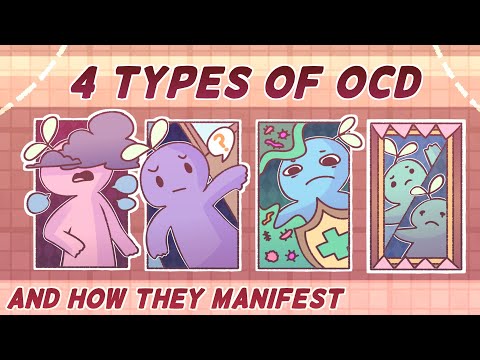
So, let’s chat about OCD. You know, that thing people often think is just about being super tidy or clean? Well, it’s way more complex than that.
It’s like this hidden world where thoughts and behaviors can be totally overwhelming. Seriously. Some folks deal with intense fears that push them to do the same things over and over again—like checking if the door’s locked for the millionth time or washing their hands like they’re prepping for surgery.
But there’s more to OCD than those classic images, believe me. It affects people in all kinds of surprising ways, shaping how they view themselves and the world around ‘em. Let’s unpack this a bit, shall we?
Understanding the Psychological Effects of OCD: Insights and Implications
Understanding the psychological effects of OCD is really important. Obsessive-Compulsive Disorder isn’t just about washing your hands or checking if the door is locked. It’s a complex condition that can seriously mess with your everyday life. So, let’s break it down.
OCD often has two main components: **obsessions** and **compulsions**. Obsessions are unwanted and intrusive thoughts that cause anxiety or distress. You might, for instance, worry constantly about germs or that you’ll harm someone without meaning to. Compulsions are the behaviors you feel driven to perform to relieve that anxiety, like washing your hands repeatedly or counting things in a specific way.
Then there’s the different types of OCD that can shape how someone experiences these symptoms. For example:
These different styles not only define what someone with OCD experiences but also affect their **psychological well-being** over time. Imagine being stuck in a loop where every thought spirals into more anxiety; it can be exhausting!
People struggling with OCD often face social isolation too. They might avoid situations that trigger their obsessions which can cause them to miss out on social events or relationships—like going out with friends because they’re worried about cleanliness.
There’s also this emotional rollercoaster involved. You know how sometimes you just want a break? Someone with OCD doesn’t get that reprieve easily; their brain keeps pushing them back into those obsessive thoughts and compulsive behaviors.
Treatment options like Cognitive Behavioral Therapy (CBT) are available and have shown success in helping people learn ways to manage their symptoms better. There’s also exposure therapy, where individuals gradually face what triggers their obsessions in a safe environment, helping them reduce avoidance behaviors over time.
In essence, understanding the psychological effects of OCD goes beyond just recognizing compulsions and obsessions—it delves into how these issues impact someone’s daily life, emotions, and connections with others brick by brick. If you know someone dealing with this—I mean really know what they’re going through—it can be helpful just being there for them without judgement while they navigate these challenges.
Exploring the 7 Types of OCD: Understanding Obsessive-Compulsive Disorder Variants
Obsessive-Compulsive Disorder (OCD) is often thought of as just one thing, but the reality is a bit more complicated. There are actually different types, or variants, of OCD that can look quite different from each other. Understanding these can really help you or someone you know if they’re dealing with it. So, let’s break down the seven types of OCD and their psychological impacts.
1. Contamination OCD
This type really focuses on fears of dirt or germs. You might find yourself washing your hands over and over again because you feel like they’re never clean enough. It’s exhausting! The constant worry about becoming sick or spreading germs can seriously impact daily life.
2. Checking OCD
People with this variant worry about whether they’ve locked the door or turned off the stove. You might go back to check a dozen times, even knowing you locked it already. It’s like your brain just won’t let those thoughts go, leading to huge time loss and anxiety.
3. Hoarding OCD
This one involves collecting items and having trouble getting rid of them, no matter how unnecessary they are. For some folks, it’s like those items have special emotional value that can’t be discarded. That can really lead to cluttered living spaces and strained relationships.
4. Symmetry and Orderliness OCD
For people dealing with this type, things just have to be arranged in a certain way. If something feels «off» or out of order, it creates an intense urge to fix it right away—almost like a feeling of panic until it’s done! This need for sameness can interfere with everyday activities.
5. Intrusive Thoughts OCD
This variant is tricky because it’s not about visible compulsions but rather intense anxiety triggered by harmful or unwanted thoughts—like hurting someone or engaging in embarrassing acts. These thoughts can be incredibly distressing and make you feel like you’re losing control of your mind.
6. Ritualistic Behavior OCD
Many people display specific rituals they believe will prevent bad things from happening. Say, touching a doorknob three times before walking through a doorway—it may seem harmless but can take over your life pretty quickly if you feel compelled to do it every single time!
7. Religious OCD (Scrupulosity)
Also known as scrupulosity, this type revolves around religious anxieties and fears of sinning—or not being “good enough.” Individuals often question their morals repeatedly, leading to feelings of guilt and shame that are hard to shake off.
Let’s face it: living with any form of OCD is tough! Each type has its unique challenges and emotional tolls that can affect work life, relationships, and overall happiness. But here’s the thing; there is help out there! Therapy approaches—like Cognitive Behavioral Therapy (CBT) specifically tailored for OCD—can make a real difference in managing these symptoms effectively.
If you recognize yourself or someone close in any part of this description? Just remember—you’re definitely not alone in this journey! Understanding the specific type can help provide clarity on what you’re facing together with support options that might fit better for managing those pesky compulsions or intrusive thoughts.
Exploring Rare Forms of OCD: Understanding Unique Obsessive-Compulsive Disorders
Obsessive-Compulsive Disorder, or OCD, is usually associated with hand-washing or checking behaviors. But there are actually some rare forms that don’t always get the spotlight. Let’s break down a few of these unique types and what they really mean for those who experience them.
1. Hoarding Disorder
Now, this isn’t just about being messy. People with hoarding disorder feel compelled to save items that others might consider garbage. It can lead to living spaces cluttered to the point where it interferes with daily life. Imagine a friend’s house where you can barely walk without stepping over old newspapers and broken furniture! The emotional connection to objects is super intense; they can feel like their identity is wrapped up in those things.
2. Pure Obsessional OCD (Pure O)
This one’s tricky because people think it’s just about having thoughts—obsessive thoughts that pop into your head out of nowhere. However, those thoughts can cause intense anxiety and distress, leading some to engage in mental rituals to combat them. Picture someone constantly worried they’re going to harm someone, even though they’d never dream of doing it! They might spend hours trying to «cancel out» those thoughts by repeating certain phrases.
3. Scrupulosity
Here’s a wild one: scrupulosity involves obsessive fears around morality or religion. You could have someone who feels guilty for not praying enough or believes they’ve sinned even when they haven’t done anything wrong. It often leads them to excessive prayer or confessions—sometimes multiple times a day! Think about how exhausting that would be.
4. Trichotillomania
This disorder makes people pull out their hair, whether from their scalp, eyebrows, or other parts of the body. It often comes along as a coping mechanism for stress or anxiety—like a nervous habit—but can lead to noticeable bald spots and skin damage. You might meet someone who tugs at their hair while watching TV without even realizing it; it becomes automatic!
5. Body Dysmorphic Disorder (BDD)
People grappling with BDD are honestly trapped in a cycle of negative self-perception regarding their looks. They might obsessively check mirrors or avoid social situations because they’re convinced something about their appearance is flawed, even when others see no issues at all! Imagine spending hours each day scrutinizing your reflection instead of enjoying time with friends—pretty draining!
These rare forms of OCD show how complex the human mind can be and how these conditions profoundly affect daily life and decision-making processes for those involved.
So why do these distinctions matter? Well, understanding each type helps in developing better treatments tailored specifically for individual needs rather than going generic with therapy approaches or medications that might not hit close enough to home for everyone involved.
Awareness around these unique forms encourages compassion and support from friends and family too—like knowing when your buddy is struggling with something deeply personal rather than just being quirky or difficult! At the end of the day, recognizing the variations within OCD provides clarity and hope for many seeking help on their journey toward healing.
Obsessive-Compulsive Disorder, or OCD for short, is one of those things that can really mess with your head. It’s not just about being a little too neat or wanting things to be in their “right” place. There’s a lot more to it than that. I remember talking to a friend who struggled with it; her days were consumed by these nagging thoughts and rituals that took up way more time than she’d like to admit.
So, what’s interesting is that OCD isn’t just one-size-fits-all. There are different types of OCD that people experience, each with its own unique flavor. Some folks deal with contamination fears, where they can’t shake the feeling that everything around them is dirty or unsafe. Imagine constantly washing your hands until they’re raw because you’re convinced you might catch something horrible. That’s what my friend went through.
Then there are the people who deal with intrusive thoughts—these unwanted mental images or ideas that pop up and just won’t go away. Like, they might worry they’ll harm someone they love, even though they absolutely wouldn’t dream of doing anything like that! It’s such a tough spot to be in because the more you try to push those thoughts away, the stronger they can become.
Another type revolves around orderliness and symmetry. For some, it’s all about making sure everything looks perfect—like lining up items so they’re exactly straight or spending hours arranging things just right. It can feel calming to them but then becomes this never-ending cycle where nothing is ever quite “perfect” enough.
I know some people think of OCD as just quirks in personality, but man—the psychological impact runs deep! It can lead to anxiety, depression, and a whole mess of emotions swirling around like a storm cloud hanging over your head. You might be stuck in your routines while desperately wishing for freedom at the same time.
The thing is, being aware of these different types helps shed light on how individualized the experience really is. Everyone has their own battles with it—and those battles matter! Just talking about it openly makes a huge difference because it reminds folks that they’re not alone in this struggle. It’s all about being kind to ourselves and understanding our minds a little better, you know?