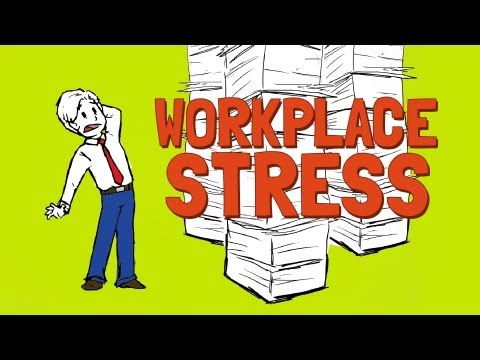
You know that feeling when you walk into the office and it’s like, whoa? Stress is just hanging in the air. It’s not just you. Seriously.
Workplace stressors can come from all directions. Sometimes they sneak up on you, and other times, they’re just screaming for your attention.
Think about it: tight deadlines, annoying coworkers, or maybe that never-ending mountain of emails? Yeah, they can pile up fast!
But really, understanding these stressors is key. It’s like having a map in a chaotic city—you gotta know where the bumps are.
Understanding the Four Key Types of Work Stressors and Their Impact on Mental Health
So, let’s chat about work stressors and how they can mess with your mental health. Work can be challenging, and it’s totally normal to feel overwhelmed sometimes. But when you break down stress at work, you kinda see there are four main types of stressors that can really wear you down. Understanding these can help you figure out what might be bothering you or someone else.
1. Task Overload
This is when your to-do list feels like it’s never-ending. You know that feeling when you’re juggling a bunch of deadlines and projects? It can make your brain feel scrambled. Task overload happens when the demands placed on you exceed what you can realistically manage. It leads to feelings of anxiety, frustration, and even burnout.
2. Role Ambiguity
Ever found yourself scratching your head about what exactly you’re supposed to do in your job? That’s role ambiguity kicking in! When there’s a lack of clarity about job expectations or responsibilities, it creates confusion and stress. This uncertainty can make you doubt yourself and feel less confident in your abilities.
3. Interpersonal Conflicts
Ah, office drama! Sometimes, the biggest source of stress doesn’t come from the work itself but from the people you work with. Whether it’s a clash with a coworker or misunderstandings with a boss, interpersonal conflicts are tough cookies to deal with. They create tension and anxiety in the workplace that can lead to feelings of isolation or demotivation.
4. Organizational Change
Change is hard for anyone; it shakes things up and makes life feel unpredictable. When an organization goes through changes—like restructuring or new management—your routine gets disrupted, sometimes making everything feel uncertain again. This kind of stressor can hit hard because it often feels out of your control, which is super frustrating.
So yeah, these four types of workplace stressors – task overload, role ambiguity, interpersonal conflicts, and organizational change – all play a big role in how we feel emotionally at work. If left unaddressed, they not only mess with productivity but also impact mental health seriously over time.
Recognizing these stressors allows you to take steps toward managing them better—whether that’s talking to someone about clearer expectations at work or finding ways to handle conflicts more effectively. Remember that taking care of your mental health is just as important as getting tasks done!
Identifying Workplace Stressors: A Comprehensive Guide to Enhancing Mental Wellbeing
Workplace stress can feel like this invisible weight, you know? You’re doing your job, but there’s that nagging feeling that something’s off. That’s where identifying stressors comes in. Basically, you want to pinpoint what’s causing your stress so you can tackle it head-on.
First off, let’s talk about environmental factors. This includes your physical workspace. Is it too loud? Too cluttered? Maybe it has weird lighting or just feels cramped. For example, think about working in a tiny cubicle with the flickering overhead lights… Yeah, not ideal. These things can totally chip away at your mental wellbeing.
Then there’s the whole workload situation. If you’re constantly juggling deadlines or pulled in a hundred different directions, that’s a recipe for burnout. Imagine this: You’re staring at a list of tasks and they keep multiplying while you’re trying to get one done. It’s overwhelming, and no wonder it gets stressful!
Now, let’s not forget about interpersonal dynamics. The way we connect with our coworkers matters a lot. If you’re dealing with office politics or a micromanaging boss, it can create tension that just hangs over everything like a cloud. You might feel anxiety creeping up every time they walk by your desk.
Moreover, consider job security. If there are layoffs looming or management keeps changing things up on you, that uncertainty can be super unsettling. It makes it hard to focus when you’re wondering if your position is safe.
Another factor is lack of control. When you’re in a role where decisions are always made for you and there’s no room for input? Yeah—that can make anyone feel trapped and stressed out.
Lastly, don’t overlook the impact of work-life balance. If work spills into what should be your downtime—like checking emails while having dinner—it gets harder to recharge. Picture yourself sitting at home but still feeling the pressure from the office hanging over you… Not cool!
To enhance mental wellbeing at work, start by recognizing these stressors. Once you’ve got them figured out, it’s way easier to come up with solutions (like chatting with HR or finding ways to set boundaries). It helps to know you’re not alone in feeling this way; workplace stress is pretty common! Remember: small steps lead to big changes in how we handle our work lives and overall happiness!
Understanding the 6 Key Workplace Stressors and How They Impact Mental Health
So, workplace stressors can really mess with your head. You know, when you’re at work and it feels like the walls are closing in? Yeah, that’s because of certain challenges we face day-to-day. Let’s break down six major stressors that can stir up some serious mental health issues.
1. Workload
Ever feel like you’re drowning in tasks? A huge workload is one of the biggest stressors out there. When you’ve got too much to do and not enough time, it can lead to feelings of overwhelm and exhaustion. Seriously, it’s like being stuck on a hamster wheel.
2. Role Clarity
Now, this is about knowing what you’re supposed to do. If your job responsibilities aren’t clear, it can lead to confusion and anxiety. I remember a buddy who worked at a startup without defined roles; he was always stressed about whether he was doing things right or just wasting time.
3. Support
Feeling unsupported at work? That isolation can be tough! You want to feel like you’ve got someone in your corner—be it a boss or coworkers—when the going gets tough. If you don’t have that support system, it can amplify feelings of stress and loneliness.
4. Work Environment
The place where you actually work matters a lot! A chaotic or unsafe environment can make anybody’s nerves fray. Think about those annoying fluorescent lights or constant noise; they really mess with concentration and mood.
5. Job Security
Worrying about whether you’ll still have a job next month? That uncertainty is a huge source of anxiety for many people. When layoffs loom large or company profits dip, it’s hard to focus on anything else besides panic.
6. Relationships with Colleagues
Lastly, how you get along with others matters more than you might think! Toxic relationships at work—like constant drama or bullying—can drain your mental energy and contribute to feelings of dread each morning as you head into the office.
Each one of these stressors can impact mental health in different ways; they might cause burnout, anxiety, depression, or even physical symptoms like headaches or fatigue. The thing is: being aware of these stressors is the first step in tackling them. You start recognizing what’s getting under your skin, which makes it easier to find ways to cope better—or even change things up if possible!
Workplace stress can really sneak up on you, can’t it? One minute you’re cruising through your day, and then suddenly, everything feels chaotic. It’s kind of wild how many different things can get under your skin while you’re just trying to do your job.
Think about it for a second. Maybe you’ve got that boss who seems to thrive on micromanaging every little detail. Or perhaps the expectations are just sky-high, making you feel like you’re always running behind. Then there are those awkward office dynamics—like when coworkers don’t communicate well or when there’s just too much drama going on. You know what I mean? It’s enough to make anyone feel frazzled.
I remember my friend Sarah talking about her experience at a job she loved—until it became overwhelming. She was juggling tight deadlines with a team that barely spoke to each other. I could see the stress eating at her little by little. She’d go home exhausted, not from the work itself but from fighting that constant feeling of uncertainty and pressure.
So let’s break it down a bit. There are generally three main types of workplace stressors: environmental, organizational, and personal. Environmental stressors cover everything from noise levels in your office to uncomfortable furniture—it all adds up! Then there are organizational stressors like lack of support or unclear job roles; they can leave you feeling lost at sea without a life raft in sight.
And don’t forget personal stressors too! They’re tricky because they involve your own feelings and experiences—like anxiety about performance or simply feeling overwhelmed by life events outside of work.
Recognizing these things is key because once you know what’s bothering you, it’s easier to tackle it head-on. Have some honest chats with yourself or trusted colleagues about what’s really affecting your vibe at work. Sometimes just sharing those feelings lightens the load a bit.
Reflecting on all this reminds me how important it is to create a healthy work environment—not just for ourselves but also for our coworkers too! Because if one person is stressed out, chances are it ripples out into the whole team, right? And nobody wants that! So let’s support each other; after all, we’re all in this together.