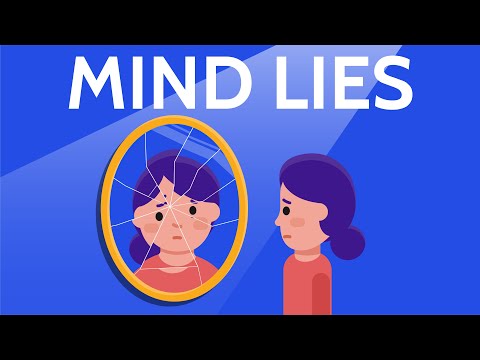
You know those times when your mind just goes haywire? Seriously, it can feel like a rollercoaster of thoughts. One minute you’re feeling great, and the next? You’re spiraling into a pit of self-doubt or anxiety.
That’s where thought distortions come in. They’re like those pesky little gremlins that mess with your mind. It’s wild how we can twist our thoughts without even realizing it.
But don’t worry! You’re not alone in this. We all deal with these funky thought patterns at some point or another. So let’s chat about some of the most common ones and how they affect our mental health. You might just recognize a few of ‘em—and maybe even learn how to tackle ‘em head-on!
Understanding the 12 Cognitive Distortions: A Guide to Improving Mental Clarity and Well-Being
Cognitive distortions are like little gremlins in your brain that twist your thoughts. They tend to mess with how you view situations and yourself. Understanding these can really help you improve your mental clarity and overall well-being. Let’s dig into some of the most common ones.
1. All-or-Nothing Thinking
You see things as black or white, no in-between. If you don’t get an A on a test, you think you’re a total failure. This kind of thinking is super limiting! Instead, try acknowledging the shades of grey; maybe a B isn’t so bad.
2. Overgeneralization
This one’s tricky! You take a single negative experience and blow it up into a blanket statement about your life. Got rejected on a date? Suddenly, it feels like you’ll never find love again. Remember, one setback doesn’t define your entire story.
3. Mental Filter
You focus only on the negatives while ignoring the positives. Maybe you received five compliments but zero in on that one criticism from a friend. It’s like walking around with blinders; taking stock of both sides gives a clearer picture.
4. Discounting the Positive
This distortion makes it hard to accept good things about yourself or your life. You might think positive feedback is just pity or luck. The thing is, if someone says you’re doing well, believe them!
5. Jumping to Conclusions
Here, you’re making assumptions without solid evidence—like thinking someone is mad at you when they’re just busy texting someone else. This can lead to unnecessary stress and anxiety since you’re worrying about stuff that might not even be true.
6. Catastrophizing
This one’s pretty common too! You imagine the worst-case scenario happening all the time—even when it’s unlikely, like thinking you’ll get fired for being five minutes late to work once! It helps to challenge those thoughts with reality-checks.
7. Emotional Reasoning
You assume that because you feel a certain way, it must be true—for example, feeling anxious at a party leads you to believe there’s something wrong with everyone else there instead of considering they might be having their own fun.
8. Should Statements
Thinking “I should” or “I must” can really weigh heavy on your mind—like insisting that you should be perfect at everything you try. These unrealistic expectations can create guilt and frustration when reality doesn’t match up.
9. Labeling
Instead of acknowledging specific behaviors, you label yourself or others completely—like calling yourself “a loser” after making a mistake instead of recognizing it as just an isolated incident.
10. Personalization
You take responsibility for things outside your control—for instance, believing it’s your fault when friends argue even though they have their own issues going on too!
11. Blame Game
Pointing fingers can feel satisfying sometimes but carrying blame around only adds weight onto your shoulders—or even blaming yourself too much without looking at other factors affecting situations.
12: Fallacy of Change.
Thinking others will change if you just love them enough? That usually turns out pretty rough! People change when they’re ready—not because you’re wishing for it or even putting in effort sometimes.
Grasping these cognitive distortions can give you an edge over negative thinking patterns that mess with your peace of mind and clarity of thought! Start spotting them; challenge those twisted thoughts! Remember: it’s all about finding balance and getting back on track when life throws curveballs at ya—because we all face hurdles now and then!
Understanding Cognitive Distortions in CBT: A Guide to Common Thought Patterns
Cognitive distortions can feel like those annoying, nagging thoughts that twist your perception of reality. You know, the ones that make you feel like you’re stuck in a loop of negativity? It’s all part of what’s known as Cognitive Behavioral Therapy, or CBT for short. CBT is a type of therapy that focuses on the connection between your thoughts, feelings, and behaviors. The goal is to help you identify these distortions and change them into more realistic patterns.
So, let’s break down some common cognitive distortions. Seriously, it’s kind of eye-opening to see how our brains can mess with us sometimes!
All-or-Nothing Thinking: This is when you see things in black-and-white terms. If you’re not perfect, then you’re a total failure. For example, if you don’t ace that presentation at work, you might think you’re a terrible employee. But hey, nobody’s perfect!
Overgeneralization: It’s like taking one bad experience and applying it to all future situations. An example? If you got rejected from one date, you might think you’ll never find love again. That’s just unfair to yourself!
Mental Filtering: Here’s where you focus only on the negative aspects while ignoring anything positive. Say someone compliments your work but also gives one piece of constructive criticism—you’re likely to obsess over that criticism instead of appreciating the compliment.
Discounting the Positive: Similar to mental filtering but slightly different! This happens when good things don’t count because of some twisted logic in your mind. For instance, if your friend tells you what a great job you’ve done on a project and you’re like, «Oh, they were just being nice.» Why do we do this?
Jumping to Conclusions: This includes two subtypes: mind reading and fortune telling. Mind reading involves assuming others are thinking something negative about us without any real evidence—like thinking people are laughing at you during a presentation when they’re actually just engaged! Fortune telling is predicting the worst without any real basis—like thinking that you’ll flop an interview even before walking in.
Cognitive Distortions Can Spiral Out of Control: These thought patterns can seriously affect your mood and behavior over time. Imagine feeling anxious because you’re convinced everyone dislikes your outfit or worried about failing at something because it didn’t go perfectly last time.
Making sense of these distortions is key for improving mental health. With some practice in identifying them—using journaling or talking things out with friends—you can start reframing how you view situations.
In therapy sessions with CBT practitioners, they’ll often guide you through exercises aimed at recognizing these patterns in real-time. You learn to challenge those negative thoughts and replace them with more balanced ones.
It takes time and effort but tackling cognitive distortions can really change how you feel day-to-day! Just remember: you’re not alone in this confusing brain game—we’re all figuring it out together!
Understanding Common Thinking Traps: How to Recognize and Overcome Negative Thought Patterns
Recognizing and overcoming negative thought patterns can be a game-changer for your mental health. So, let’s break down some common thinking traps that might be messing with your head.
All-or-Nothing Thinking is a biggie. You see things in black and white, with no middle ground. Like, if you’re not perfect at something, you feel like a total failure. For instance, maybe you bombed a presentation at work and think, “I’m terrible at my job.” This extreme view totally ignores any wins you’ve had before.
Overgeneralization can also sneak in there. It’s when one negative event makes you believe that the same thing is gonna happen every time. Say you went on a bad date and now you’re convinced you’ll never find anyone nice again. But that’s like throwing away an entire book because of one bad chapter!
Then there’s mental filtering, where you focus only on the negative stuff while ignoring all the positive things around you. Imagine acing a test but only thinking about the one question you got wrong. It’s like putting on some very dark shades that block out all the light around!
Discounting the Positive is similar but sneaky. You might achieve something great but brush it off like it doesn’t matter. “That was just luck,” you’ll say after getting recognized at work for your hard work! But come on, it wasn’t just luck; it was your effort too!
Now let’s talk about jumping to conclusions. This is pretty common! You assume the worst without any real evidence. Like thinking your friend forgot your birthday because they didn’t post about it online—totally jumping there!
Another tricky one is catastrophizing. It’s when you blow things way out of proportion. If your partner takes a little longer to text back than usual, your mind might race to “They’re gonna leave me!” But really? That’s just anxiety talking.
Lastly, we can’t forget personalization. This is where everything feels like it’s somehow your fault—even if it’s not! Like if someone seems upset and suddenly you think it’s because of something you’ve done wrong.
So how do we fight back against these thinking traps? Well,
When a negative thought pops up, ask yourself if it’s really true or just an assumption.
Try shifting to a more balanced perspective—what would a friend say?
These practices help bring awareness to your thoughts without judgment.
With practice, recognizing these patterns can make such a difference in how you feel day-to-day. I mean, take it from someone who has tangled with these traps before; once I started noticing my own patterns and being kinder to myself, life felt so much lighter! Remember: what matters most is how we talk to ourselves through this wild ride called life!
You know, we all have those days when our minds seem to be playing tricks on us. One minute you’re feeling good, and the next, it’s like a dark cloud rolls in, turning everything upside down. Thought distortions—those sneaky little mind habits—are often to blame. They’re basically the brain’s way of twisting reality into something pretty unhelpful.
Take black-and-white thinking, for instance. It’s one of the most common ones I see. It’s like when you think you’re either a total success or a complete failure. There’s no room for anything in between, and that can feel super heavy. I remember talking to my friend Sam once; he had this tendency to think he was either killing it at work or just not cutting it at all. It left him feeling anxious and unfulfilled all the time, which is kind of rough!
Then there’s filtering. This one is a classic trap, too. You focus on all the negatives and completely ignore anything that might be positive. Picture this: after a long day at work, you receive ten compliments but let one tiny piece of feedback ruin your whole night. That’s filtering right there! Your brain just zeroes in on what hurts rather than what uplifts you.
Another biggie is catastrophizing—oh boy! This is where your mind jumps straight from “This might be tough” to “My life is over!” It’s like being stuck on a rollercoaster with no brakes! I remember this friend who freaked out about an upcoming exam; she just couldn’t see that failing wasn’t going to ruin her entire future.
And then there’s personalization; you know? When someone else has a bad day and you think it’s somehow your fault? So straightforward but so damaging! You’re not responsible for everything that goes wrong around you—that’s way too much weight to carry.
Being aware of these distortions can totally change how you view situations and yourself. When I catch myself slipping into those negative thoughts, I try slow down and ask: «Is this really true?» Most times, you’ll find the answer isn’t quite as dire as your brain paints it.
So yeah, thought distortions are common—you’re definitely not alone if they hit home for you! The important thing is recognizing when they happen so you can challenge them instead of letting them run wild in your head. It’s all part of understanding our minds better and learning to treat ourselves with some compassion along the way!