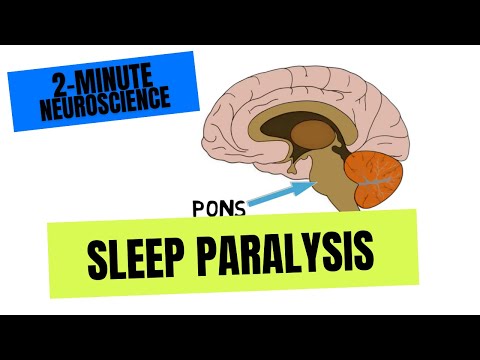
You know that feeling when you wake up and, like, can’t move? It’s terrifying! I mean, seriously, it’s like your body just forgot how to work for a sec.
Now imagine that happening more than once. You start to freak out, right? That’s what happens to folks dealing with sleep paralysis.
But it’s not just the spooky experience of waking up stuck; it can mess with your head a lot. Anxiety creeps in. Sleep turns into this thing you dread instead of enjoy.
Let’s dive into the wild effects sleep issues can have on your mind and heart. You might just find you’re not alone in this!
Understanding Sleep Paralysis: Is It a Psychological Issue or a Sleep Disorder?
Sleep paralysis can be a pretty wild experience. Imagine waking up and not being able to move or speak, but your mind is totally awake. It’s like being trapped in your own body for a few moments, and it can be really scary.
So, is sleep paralysis just a funky sleep disorder, or does it have some psychological roots? Well, it’s actually a bit of both. You see, sleep paralysis happens during the transition between wakefulness and sleep. Normally, when you’re dreaming during REM (Rapid Eye Movement) sleep, your body naturally becomes paralyzed to prevent you from acting out your dreams. Sometimes things get a little mixed up. That’s when you wake up right before or during that REM phase but still feel like you’re in dreamland.
Here are a few key points about the connection between psychology and sleep disorders:
Now let’s talk about the psychological impact. Experiencing sleep paralysis can leave you feeling anxious about going to bed again. You might start avoiding it altogether because you don’t want that creepy experience again. This avoidance can lead to even worse insomnia, which is just a vicious cycle.
And there’s often an element of fear involved too—like if you’re not sure what happened during that episode. Sometimes people report experiencing hallucinations during these moments: they might see shadows or even feel like someone’s in the room with them! This makes everything even scarier and adds another layer of psychological stress.
Oh! Here’s something interesting: some cultures have stories surrounding sleep paralysis that explain it through folklore or supernatural occurrences. This adds an extra psychological twist since how we perceive fear can shape our experiences.
But here’s the kicker: while there are clearly some strong psychological factors at play in understanding why we experience this phenomenon, treatment options tend to lean on improving sleep quality and reducing anxiety levels—like practicing relaxation techniques before bed or working on managing stress effectively.
So basically, understanding sleep paralysis means acknowledging both its roots as a sleep disorder and its psychological implications—and hey, if you’re dealing with this kind of stuff regularly? It might make sense to talk it over with someone who gets mental health as well as those wacky sleeping patterns!
Understanding Sleep Paralysis: What Happens When You Wake Someone Up?
Sleep paralysis. It sounds a bit sci-fi, doesn’t it? But, it’s a real thing many people experience. You know that feeling when you wake up, but your body just won’t move? You’re totally aware, but can’t budge an inch. It’s unsettling for sure. Let me break down what happens during sleep paralysis and what it feels like when you wake someone up in that state.
So, first off, sleep paralysis occurs when you’re in between sleep and wakefulness. You might be coming out of REM sleep—when most dreaming happens—and your mind wakes up while your body stays paralyzed. This is natural; it keeps us from acting out our dreams. But when the two don’t sync up properly? Well, that’s when things get tricky.
When someone experiences sleep paralysis, they might feel a weight on their chest or struggle to breathe. Often, they report seeing shadows or feeling a presence in the room. Imagine waking up and thinking there’s someone watching you! It can be downright terrifying.
Now, have you ever tried waking someone who’s in that state? It can be really confusing for both of you—from your perspective and theirs. Here are some things to consider:
- Gentle Approach: Yelling or shaking might not work well. They may be deeply startled and freak out even more.
- Calm Voice: Speaking softly and reassuringly can help them recognize they’re safe.
- Duration Matters: Sleep paralysis episodes usually last just a few seconds to a couple of minutes—but it feels way longer for the person experiencing it.
When you wake someone during an episode, they might not immediately realize what happened. They could feel disoriented or scared—like they’ve just come out of some horror film scene!
The psychological impact can linger too. After an episode, some folks feel anxious about sleeping again because they’re scared of going through that experience one more time. I remember my friend telling me how she dreaded bedtime after her first encounter with sleep paralysis; she basically started avoiding sleep like the plague!
But here’s the scoop: while sleep paralysis is often linked to things like stress or fatigue, it’s usually not harmful physically—it’s more about how we process fear than anything else.
And if this keeps happening frequently? Well, that’s probably worth talking to a professional about! Sleep health is super important for overall well-being.
In summary: waking someone up during sleep paralysis requires care and understanding—be gentle and reassuring as they navigate back to reality from that creepy limbo state! Understanding what they’re feeling helps create a comforting environment where they can relax again without fear.
Is Waking Up Early a Sign of Trauma? Exploring the Connection Between Sleep Patterns and Mental Health
So, waking up early can be super tricky. A lot of folks think it’s just a habit, but there might be more going on, especially when it comes to mental health. Let’s break this down a bit.
First off, waking up too early can sometimes be tied to trauma. If you’ve gone through something really tough, your body and mind might react in unexpected ways. For instance, let’s say you experienced a stressful event. Your brain could kick into high gear at night, making sleep restless and causing you to wake up earlier than you’d like. It’s like your brain is saying “Hey! We’ve got stuff to sort out!”
Sleep issues are common in people who’ve faced trauma. You may find yourself waking up paralyzed with fear or anxiety—like you’re stuck in place with your heart racing. This isn’t just about physical sleep disturbances; it’s the emotional weight making it hard to relax when the sun goes down. Your mind hasn’t fully processed what’s happened, and that can lead to insomnia or very disrupted sleep patterns.
There’s also the whole idea of hyperarousal. It’s basically when your body’s fight-or-flight response is always on alert because you’re still dealing with what you’ve been through. Think about how tiresome that would be! When you’re hyper-vigilant at night, waking up super early becomes almost inevitable—your body just doesn’t want to rest.
Now, let’s talk about how it ties into mental health in general. Waking up feeling anxious or racing thoughts can lead to a cycle: bad sleep leads to poor mood, which can make you feel even more anxious the next day—seriously frustrating! You might start avoiding things during the day because you feel so low on energy or overwhelmed.
Also, consider this: if you’re constantly waking up at odd hours or feeling restless throughout the night, it might signal other issues like depression or anxiety disorders. The thing is, our brains change after trauma; they don’t always work like they used to. So when you’ve had bad experiences or emotional pain dangling over your head, those late-night worries can spill into your morning routine.
So if you’re noticing these patterns in yourself or someone close to you—waking up too early with that strange sense of dread—you’re not alone. It may help to chat with someone who gets it; speaking with a therapist could shine some light on what’s really going on.
In summary:
- Waking up early can indicate unresolved trauma.
- Sleep issues are linked to mental health struggles.
- Hyperarousal keeps the body in alert mode.
- Anxiety and depression can worsen sleep quality.
You know? Just remember that recognizing these patterns is valuable. You’re not just quirky for waking up at dawn; there could be deeper reasons worth exploring!
Waking up paralyzed, like not being able to move or speak, sounds terrifying, right? It’s called sleep paralysis, and it can really mess with your head. When you find yourself stuck in that moment—half-awake and half-asleep—it’s like your body is playing a cruel joke on you. You might see shadows or hear voices, which can feel super real and absolutely terrifying.
I remember a friend of mine telling me about his experience with this. He woke up in the middle of the night feeling completely frozen. He could see his room but couldn’t move an inch. He was convinced there was something lurking in the shadows. When he finally snapped out of it, he was drenched in sweat and overwhelmed with fear. And honestly? He couldn’t shake off that feeling for days.
So, what’s happening here psychologically? Basically, sleep issues like insomnia or stress can lead to fragmented sleep cycles that make sleep paralysis more likely to happen. It’s not just the physical sensation of being paralyzed; it’s also the anxiety that comes after the fact. You know, worrying about whether it’ll happen again—or thinking that something’s wrong with you.
People often feel anxious or depressed after experiencing sleep paralysis multiple times. Those feelings can creep into your daily life and affect how you approach sleep altogether. You might start dreading bedtime, feeling stressed about what comes next instead of looking forward to some rest.
And get this: it also ties into our dreams and how we process emotions while we’re sleeping. If you’re going through a tough time emotionally—like dealing with loss or stress—it seems more likely for these episodes to occur because your mind is just overloaded.
Dealing with sleep issues isn’t just about counting sheep or avoiding caffeine before bed. It’s important to pay attention to your mental health too! So if those moments of waking up paralyzed keep haunting you, maybe chatting with a therapist could help you unpack what’s going on underneath all that fear and anxiety.
At the end of the day, getting a good night’s sleep should leave us refreshed—not terrified! If sleeping soundly feels out of reach, remember you’re not alone in this struggle—it happens more than you’d think!