You know how sometimes you meet someone and think, «Wow, they just get me!»? Yeah, that feeling is magic.
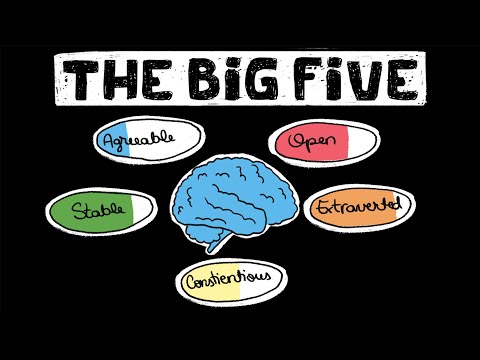
So, I’ve been digging into this thing called the Big Five personality traits. It’s a way to really peek into who we are and why we act the way we do. Kind of like holding up a mirror to our souls.
Honestly, it’s wild how these traits can explain so much about us.
Like, one minute you’re feeling super outgoing, and the next? Just want to binge-watch Netflix alone with a tub of ice cream.
Ever felt that? Let’s take a little journey together through these five traits and see what they reveal about you—and me!
Discovering the Duration: How Long Does the Big 5 Personality Test Really Take?
The Big 5 Personality Test is a pretty popular tool for figuring out your personality traits. You know, like how you might be more outgoing or serious, and it’s based on five key traits: openness, conscientiousness, extraversion, agreeableness, and neuroticism. But one question people often have is: *how long does it really take to complete this test?*
Most people can finish the Big 5 test in about **10 to 15 minutes**. That’s not too bad for a little self-discovery session, right? Of course, this can vary depending on how in-depth the test is. Some versions throw in more questions or give you a bit more time to think about your answers.
Here’s how the timing usually breaks down:
- Question Count: Typically, you’ll find around 40 to 100 questions.
- Question Types: Most of them are multiple-choice or rated scales, so you just pick what works for you.
- Pacing: If you’re quick at decision-making, you could zip through it faster!
But let’s be real—sometimes people take longer because they ponder each question deeply. You might find yourself sitting there thinking about whether you’re really that agreeable or if that last job interview made you a bit more anxious than usual. And that’s totally okay!
Also, if you’re doing this in a group setting or if there’s discussion involved afterward, it can stretch out way longer than those 15 minutes. Imagine sitting around with friends and diving into each other’s personalities; fun times!
So yeah, the timing can change based on how you approach it and what version of the test you’re using. But overall? It’s a pretty straightforward process that doesn’t take up too much of your day!
Unlock Your Potential: Exploring the Big Five Personality Test and Its Impact on Mental Health
Sure thing! Let’s chat about the Big Five Personality Test and how it connects to mental health. You might have heard folks talking about personality tests, right? Well, this one is pretty popular for a good reason. It digs into five major traits that can really shape your behaviors and how you deal with life.
The Big Five Traits can be summed up like this:
- Openness: This trait reflects your willingness to try new things. People high in openness tend to be creative and curious.
- Conscientiousness: This is all about being organized and responsible. If you’re conscientious, you’re probably someone who plans ahead and meets deadlines.
- Extraversion: This one measures how social you are. Extraverts enjoy being around others, while introverts might prefer some alone time.
- Agreeableness: This trait captures how friendly and compassionate you are to others. High agreeableness means you’re likely to be trusting and cooperative.
- Neroticism: This involves emotional stability. Those who score high on neuroticism might experience mood swings or anxiety more frequently.
So, why does this matter for mental health? Well, understanding where you fall on these traits can help you recognize patterns in your behavior or emotional responses. For example, if you’re super high in neuroticism, you might find yourself feeling anxious or overwhelmed pretty easily. Knowing that can help you develop coping strategies.
Picture this: Let’s say Sarah has taken the test and scores high on openness but low on conscientiousness. She’s an artist who loves exploring new ideas but sometimes struggles to finish projects because she’s not exactly organized. By recognizing that imbalance, she can set up reminders or create a structured schedule—little changes that could make a big difference.
Another example is someone with high agreeableness who’s finding it tough to say no at work. They may end up feeling burned out because they’re taking on too much responsibility just to keep everyone happy. By understanding their personality traits better, they could learn the importance of setting boundaries for their own mental well-being.
The Big Five isn’t just a fun quiz; it gives insights into your thought processes and behaviors! But remember: don’t box yourself in completely based on the results. Personalities are complex—you might have aspects of each trait that come out depending on the situation.
In terms of therapy or personal growth, knowing your Big Five scores could be game-changing! For instance, if you’re low in extraversion but know that socializing helps lift your spirits, you could set small goals to connect with friends more often despite feeling drained by it.
Just like any tool for self-discovery, use this insight as a starting point—not an endpoint. Your personality traits don’t dictate everything about you; they’re simply layers of what makes you unique!
So there it is! The Big Five Personality Test isn’t just something cool to take while scrolling through social media; it provides valuable insights that can assist you in navigating life’s ups and downs while enhancing your mental health awareness.
Unlocking Self-Understanding: Exploring the Big Five Personality Traits Quiz
So, you might have stumbled upon something called the Big Five personality traits. What’s that all about, you ask? Well, it’s basically a framework to understand yourself better through five major traits: **openness, conscientiousness, extraversion, agreeableness**, and **neuroticism**. You can think of these traits as a way to map out the quirky universe of your personality.
**Openness** is like your inner explorer. How willing are you to try new things? If you’re the kind of person who loves experimenting with different cuisines or going on spontaneous adventures, then congratulations! You’ve likely got a high score in this area. It’s all about creativity and curiosity.
Now let’s talk about **conscientiousness**. This one has to do with your ability to stay organized and diligent. Do you keep a planner filled with color-coded tasks? Or are you more of a “I’ll remember it” type? Those who score higher here tend to be reliable and self-disciplined. Think of it like being the dependable friend who always shows up on time.
Then we have **extraversion**. Are you energized by social interactions? Do large gatherings fill you with excitement instead of dread? If yes, then you’re probably an extravert! These folks tend to be outgoing and assertive; they thrive in social settings like rock stars on stage.
On the flip side, there’s **agreeableness**. This trait reflects how compassionate and cooperative you are toward others. High scorers often go out of their way to help friends or may be drawn toward roles in caregiving or counseling. If sharing your dessert feels natural instead of burdensome, you’re likely scoring high here!
Lastly, we can’t forget about **neuroticism**—a trait that deals with emotional stability. Those who score high may find themselves feeling anxious or moody more often than others do. Think about that friend who’s always worried if their partner is upset; they might score higher in this trait.
When it comes to testing yourself on these traits through quizzes, there’s lots out there! Just keep an eye out for dependable resources that provide valid insights into how your personality fits into this five-trait model. It can really help in understanding not just how you tick but also how others may perceive you.
Now, why does this all matter? Well, knowing where you stand on these traits can help guide decisions like which career path suits you best or even how to enhance relationships with loved ones. Self-understanding isn’t just enlightening; it can lead us toward personal growth.
Imagine being at a party feeling completely lost when it comes to mingling—turns out maybe you’re low in extraversion! Or perhaps you’ve realized why time management stresses you out; it’s not just bad habits—it might relate back to conscientiousness levels.
So yeah, diving into the Big Five gives insight into who we are at our core and helps us navigate life’s curveballs more smoothly. As we gain clarity on our personalities, we’re better positioned for fulfilling lives where we leverage our strengths while working around those pesky weaknesses—a win-win if I’ve ever heard one!
You know, I always thought understanding my personality was like trying to solve a riddle—something elusive and kinda tricky. Recently, I stumbled upon the Big Five personality traits, which honestly felt like a breath of fresh air. It’s like someone handed me a map to navigate through this complex thing called me.
So, the Big Five breaks it down into five traits: openness, conscientiousness, extraversion, agreeableness, and neuroticism. Each trait is like a little piece of that puzzle. When I first started going through them, I realized how different they made me feel about myself.
Openness? Well, I’ve always been the type who loves trying new things—food, experiences—you name it. This trait really brought that side of me into focus. Conscientiousness? Ugh! I have this weird habit of making to-do lists for everything and somehow feeling overwhelmed if they’re not done. Learning about that helped me realize it’s okay to chill sometimes.
Now extraversion is where it gets interesting. I used to think being social meant you had to be the life of the party all the time. But then I read that it doesn’t just mean being outgoing; it’s more about how you recharge your batteries! So when I’m on my own with a good book or just chilling at home? Yeah, that’s my recharge time right there!
Agreeableness had me smiling a bit because I’ve noticed how much I value kindness and harmony in relationships. I find myself wanting everyone around me to feel good—it’s like my superpower or something! But then again, sometimes it can lead to being too accommodating…you know what I mean?
Then we get to neuroticism, which is kinda the tricky one for me. It’s basically about how we handle stress and negative emotions. And let me tell ya…when life throws curveballs at me? Yeah, my mind can go haywire! Figuring out this part was eye-opening; it felt comforting knowing it’s something many others deal with too.
Putting these attributes together really helped clarify so much for me! It’s almost like chatting with an old friend who knows you inside out but gives you some solid advice on how to embrace every side of yourself without freaking out too much.
In the end, discovering my personality through these traits has been empowering. It feels like I’ve been given permission to be authentically myself—quirks and all! Understanding this stuff makes navigating life so much easier because now I’m not just wandering around hoping I’ll figure things out on my own anymore.