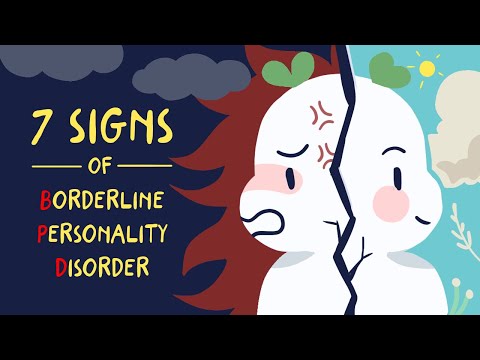
You know how sometimes you just feel… off? Like, emotions are all over the place, and you’re not even sure why?
It’s tough—it can be really confusing. A lot of people go through these intense ups and downs without a clear label.
Some might even wonder if there’s something more to it, like a deeper issue hiding in the shadows. And honestly? That’s totally okay!
So, let’s chat about borderline personality disorder (BPD). It’s not just a buzzword you hear; it can affect real lives in pretty crazy ways.
If you’re curious or suspect someone in your life might be dealing with this, stick around! Let’s unravel some symptoms together and see if anything sounds familiar.
9 Signs You May Have Undiagnosed Borderline Personality Disorder (BPD) and What to Do Next
Borderline Personality Disorder, or BPD, is something that’s often misunderstood. If you’re feeling like something just isn’t right emotionally and suspect you might have BPD, let’s break down some common signs. It’s important to remember that only a mental health professional can diagnose BPD, but recognizing these symptoms can be your first step toward understanding yourself better.
1. Intense Mood Swings
You might experience emotions that swing from extreme happiness to deep sadness in a matter of hours or even minutes. For instance, one moment you could be on cloud nine after getting a compliment, then suddenly feel empty or hopeless afterward. This can feel overwhelming, right?
2. Fear of Abandonment
If you find yourself constantly worried about being left by loved ones or friends, this might hit close to home. It could lead you to go overboard in trying to keep them close—like texting too much or making grand gestures just to avoid feeling alone.
3. Unstable Relationships
Your relationships may feel like a rollercoaster ride: one minute it’s all love and affection, the next it feels like you’re at war with each other over small things. You might swing between idolizing someone and then suddenly feeling like they’re the worst person ever for minor mistakes.
4. Identity Issues
You could struggle with understanding who you really are—like your beliefs, values, or even your goals can shift dramatically from one day to the next. One week you might want to be an artist; the next week? A corporate lawyer! This confusion often leaves people feeling lost.
5. Impulsive Behaviors
If you’ve found yourself engaging in risky behaviors—like spending sprees or reckless driving—without fully thinking through the consequences, that impulsivity can be a sign of BPD.
6. Self-Harm Thoughts or Actions
This is seriously important: self-harm can occur as a way of coping with emotional pain. If you’ve ever hurt yourself on purpose when things feel unbearable, recognizing this as a concern is key—and you’re definitely not alone in this struggle.
7. Chronic Feelings of Emptiness
You may often feel like there’s a void inside that nothing seems to fill up—this can be super distressing and make daily life seem lackluster.
8. Intense Anger Issues
If anger comes out of nowhere and feels hard to manage—like blowing up over something small—you’re not just being “dramatic.” It really connects back to those intense emotions we talked about earlier.
9. Paranoia or Dissociation
Dissociating means you might feel disconnected from reality during stressful times; maybe it feels like you’re watching your life unfold from outside your body—it’s disorienting! Paranoia? That sense where you’re convinced others are out to get you? Yeah—that’s more common than you’d think in BPD too.
If any of these signs resonate with you, don’t panic; instead see if reaching out for help feels right for you! Talk therapy can work wonders here—it gives space for exploring feelings safely while learning coping skills tailored just for you!
The Next Steps:
- Talk to Someone: A mental health professional is crucial here—they’ll help guide the conversation and provide support.
- You Deserve Support: Connecting with others who understand through support groups might also be helpful!
- No Rush: Take time! Understanding yourself is a process; don’t expect everything at once!
Your feelings matter and getting clarity on what’s going on inside helps pave the way toward healing! And remember—you’re not alone!
Understanding the Emotional Turmoil: What a BPD Episode Feels Like
So, let’s talk about what it’s like to experience a BPD episode. If someone you know has Borderline Personality Disorder or if you’re dealing with it yourself, you might have noticed some seriously intense emotional swings. It can feel like you’re riding a rollercoaster with no seatbelt.
When an episode hits, everything feels amplified. Your emotions go from zero to a hundred in the blink of an eye. You might feel extreme anger or sadness over what seems like nothing at all. It’s like your brain’s volume knob is stuck on max, and nobody can turn it down.
Intense emotions are one of the hallmark signs of BPD. Imagine having a bad day and then feeling like the world is ending because your friend didn’t text back right away. It’s not just disappointment; it feels catastrophic.
- Fear of abandonment: A big one for many folks with BPD is this overwhelming fear that people will leave them. When that fear kicks in, it can lead to frantic efforts to keep someone close, even if it’s unhealthy.
- Identity issues: You might also struggle with knowing who you really are at times. Sometimes, people find themselves shifting their beliefs or values depending on who they’re around.
- Impulse control problems: During an episode, you may act without thinking—like splurging on something really expensive you don’t need or saying something harsh to a loved one.
Picture this: Sarah has BPD and had a fight with her partner about missing dinner plans. Instead of talking it out calmly, she lashes out in anger and says hurtful things she doesn’t mean because her feelings feel so massive. Afterward, she feels extreme guilt, but in that moment, logic flies right out the window.
Sometimes these episodes can lead to self-harm or risky behaviors as a way to cope or release some of that pent-up emotion. It’s heartbreaking that things can get so intense that hurting oneself seems like the only way out.
Recovery from these episodes isn’t easy either; it’s often about finding strategies to manage those wild feelings better. Therapy plays a huge role here—like Dialectical Behavior Therapy (DBT), which helps teach skills for emotional regulation and improving relationships.
Just remember: while those episodes can be incredibly tough both for someone experiencing them and their loved ones, there’s hope for better days ahead! With the right support and tools, life can start feeling more manageable rather than overwhelming 24/7.
If you’re navigating this journey yourself or know someone who is—hang in there! Understanding what those emotions are doing can sometimes shine a light on how to deal with them more effectively over time.
Understanding Borderline Personality Disorder: Signs and Symptoms in Daily Life
Borderline Personality Disorder (BPD) is one of those mental health conditions that can really affect how someone feels and interacts with the world. It’s like having your emotions on a rollercoaster, where everything feels intense and unstable. Understanding the signs and symptoms can be super helpful, especially for those who might not even know they’re dealing with it.
First off, people with BPD often struggle with emotional instability. You might notice that their feelings change quickly—from happy to sad, or peaceful to angry—in just a matter of hours or days. Imagine being at a party and feeling totally on top of the world one minute, then feeling completely alienated and upset the next. It’s really hard for them to manage these sudden shifts.
Another big sign is fear of abandonment. This can lead to intense reactions when it seems like someone might leave or reject them. Maybe you’ve seen a friend who gets visibly upset when plans change last minute; they might text you non-stop because they’re worried you won’t hang out anymore. This fear can strain relationships quite a bit.
Now let’s talk about impulsive behaviors. This could include things like spending sprees, reckless driving, or even risky sexual behavior. It’s kind of like being on autopilot without considering the consequences until way later. An example? Picture someone who buys a brand-new phone because they feel great that day but then regret it the next day when reality kicks in.
People with BPD often have problems with self-image, too. They might see themselves as “bad” or “unworthy,” flipping between feeling like an amazing person and then completely worthless in no time flat. This isn’t just about low self-esteem; it’s more like their whole view of themselves changes constantly.
Then there are the relationship struggles. One moment, a person with BPD may feel deeply connected to someone, making them feel special and loved; the next moment, they might push that same person away out of fear or anger. Like one time at lunch, someone may profess undying friendship but then argue fiercely over something trivial just days later.
Lastly, there can be intense feelings of dissociation. That means sometimes they might feel disconnected from themselves or their surroundings—like they’re watching their own life from afar instead of fully living in it. Ever had that moment where you zone out during a conversation? For people with BPD, this can happen more often and is way more pronounced.
Being aware of these signs can help both those who experience BPD symptoms and their friends or family members understand each other better. It’s all about opening up those conversations and giving people space to share what they’re going through!
In daily life, these symptoms manifest as challenges that aren’t always easy to spot right away—sometimes maybe mistaken for ‘just being moody’ or ‘difficult.’ But if you’re catching hints of this emotional rollercoaster in yourself or others around you? It’s worth taking a closer look—because understanding is always key!
You know, figuring out mental health stuff can be a maze sometimes. It’s not all that straightforward, especially when it comes to something like Borderline Personality Disorder (BPD). I mean, the symptoms can be sneaky and often fly under the radar. People who have it might not even realize they’re dealing with it until much later in life, if at all.
I once knew someone named Jamie. Super bright person, always had a smile on their face. But then there was this rollercoaster of emotions that seemed to pop up out of nowhere. One minute they were fine, and the next? Full-on chaos! It wasn’t until Jamie started talking to a therapist that they began to connect the dots about some undiagnosed symptoms they’d been living with—like intense mood swings and feeling empty or abandoned.
So, let’s dig into some of those symptoms you might wanna watch for. There’s this pattern of extreme reactions—you know, like going from loving someone one second to feeling completely betrayed by them the next. It’s almost like an emotional whiplash! And then there are those moments when you feel totally empty inside. Imagine walking through life but feeling like something vital is missing; that kinda hits hard.
Also, impulsive behaviors can sneak up on you too—think spending too much money or even engaging in risky relationships without really thinking through the consequences. It’s as if your emotions are driving the bus while your rational brain is just along for the ride!
Another thing is fear—fear of abandonment can loom large in relationships. You might find yourself overreacting to little things that don’t mean much but feel enormous in the moment. I mean, who hasn’t experienced that little jolt of panic when someone doesn’t text back quickly enough? But for some folks with BPD tendencies, it’s like a full-blown emergency.
The real kicker is how these symptoms often mix together and just create this whirlwind of feelings that makes it hard to connect with others or even feel stable within yourself. And if you’re nodding your head along while reading this? Yeah, it might be time to talk to someone about what you’re experiencing.
If there’s anything I’ve learned from watching Jamie go through their journey, it’s that self-awareness is so key! Just recognizing those patterns can open doors to healing and growth—no matter how long it takes or where you start from. If you’re curious about these feelings or know someone who seems stuck in this emotional cyclone, getting professional help could make a world of difference!