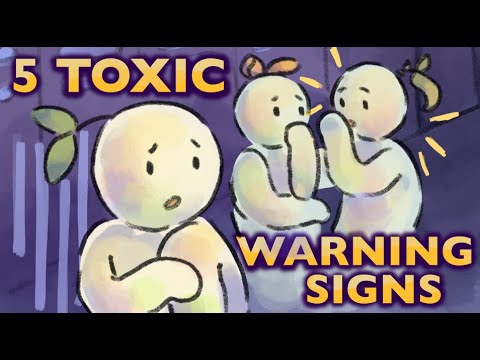
You know those friendships that feel a bit off? Like, you laugh together, but something’s just not right? It’s tricky, huh?
Well, unhealthy friendships can sneak up on you. They might seem harmless at first. But over time, they can chip away at your mental health without you even realizing it.
I mean, think about it. You spend a ton of time with these people. Their energy rubs off on you—good or bad. And sometimes, it’s not even about the big stuff. It’s little things that pile up.
So let’s chat about this! What these friendships really do to our minds and how we can spot ‘em before they mess us up. Sound good?
Understanding the 11-6-3 Rule of Friendship: Building Stronger Connections
So, let’s chat about the 11-6-3 rule of friendship and how it plays into our mental health. This little guideline can help you really understand how to nurture your friendships while keeping that emotional balance in check.
The 11-6-3 rule is a neat way to think about the different types of connections we have with people. It’s not just about having a ton of friends; it’s like knowing who to keep closer for support. The numbers represent different layers of friendship.
- 11 stands for the number of friends you should have at any given time.
- 6 are those deeper friendships that matter more to your emotional well-being.
- 3 are your very closest friends—the ones you can call up at 2 AM when life feels heavy.
Now, let’s break this down a bit. Having 11 friends seems pretty manageable, right? These are people you hang out with casually—maybe from work, school, or that yoga class you kind of like. They provide fun and a sense of belonging without too much emotional weight.
When we zoom into the 6 deeper friendships, these folks get the real deal from you. You share more personal stuff and support each other through ups and downs. Think about that one friend who knows all your secrets and still loves you anyway! Keeping these bets strong is crucial because they offer safety and trust.
And then there are your 3 closest friends. These are your ride-or-dies. You know, the ones who will drop everything to help you if life goes sideways? Those connections aren’t just nice; they’re essential for mental health because they give us stability and unconditional acceptance.
But here’s where it gets tricky: unhealthy friendships can creep in, especially if we ignore those numbers. Let’s say one of your 11 is super negative all the time or constantly draining your energy—ugh! That can really bring down your mood and overall vibe!
Remember last year when I had that friend who only called when she needed something? It started out okay, but over time, it felt like I was carrying her emotional baggage without any give-and-take on her end. That imbalance messed with my head a bit—made me feel unappreciated.
In unhealthy friendships, boundaries often blur. It might lead to feeling anxious or sad instead of supported. You might start second-guessing yourself or feeling guilty if you’re not there for them constantly.
So how do we keep our friendship game strong? Start by assessing those connections regularly! Check on whether a friend lifts you up or drags you down. Ask yourself: Is this friendship healthy? Do I feel good after hanging out with them?
It might seem harsh sometimes to distance yourself from people—even when you’ve known them forever—but protecting your peace is super important! Seriously, focusing on building stronger bonds within those six or three can open doors to deeper happiness.
In short, the 11-6-3 rule isn’t just a theory—it’s about enhancing our mental health through conscious friendship choices. Cultivating meaningful relationships while being mindful of toxic ones will lead us toward happier lives overall! And hey, don’t be afraid to make changes if something doesn’t feel right; it’s all part of growing!
The Impact of Unhealthy Relationships on Your Mental Health: Understanding the Connection
Unhealthy relationships can sneak into your life without you even realizing it. They can creep in, making you feel, well, less than your best self. Whether it’s friends, partners, or family, these connections can seriously mess with your mental health. Let’s break this down a bit.
First off, when you’re in an unhealthy friendship, it often brings a lot of stress. You might feel like you’re constantly walking on eggshells. For instance, have you ever had a friend who always puts you down but then expects you to drop everything for them? That kind of dynamic can chip away at your self-esteem over time.
Another thing is the emotional drain. You know how talking to certain people can leave you feeling exhausted? That’s because some relationships are just energy suckers. They leave you feeling depleted and anxious instead of uplifted and happy. It’s like they’re pulling the life out of you when all you want is support.
Then there’s isolation. Sometimes an unhealthy relationship might make you feel like you’re trapped in a bubble. You could start avoiding other friends or activities simply because this person makes it hard to enjoy life outside that toxic space. Imagine missing out on fun stuff because someone else’s negativity is weighing heavily on your shoulders.
And let’s not forget about the impact on mental health issues. If you’re already dealing with anxiety or depression, being around negative people can amplify those feelings. It’s like throwing gas on a fire—you just end up feeling worse.
Now consider dependency issues too. Sometimes these relationships create an unhealthy sense of reliance. You might find yourself ignoring your gut feelings just to keep the peace or avoid conflict—like agreeing with them even when they’re wrong! This not only messes with your judgment but also creates resentment over time.
Also, unresolved conflicts are super common in unhealthy relationships. When things go unsaid or swept under the rug, it leads to built-up pressure and tension that eventually explode into bigger arguments or silent treatments—a recipe for stress that no one needs!
On top of all this, there’s also fear and control which play huge roles as well! Some friendships may have elements of manipulation where one person tries to control what another thinks or does through guilt trips or threats—becoming less about support and more about control.
All these factors combined create a toxic soup that can really affect how you see yourself and interact with the world around you—making everything feel heavier than it should be!
So here’s the deal: recognizing those unhealthy dynamics early is crucial for protecting your mental health. Seriously consider who lifts you up and who weighs you down! Making changes—even small ones—can lead to freeing yourself from toxicity and surrounding yourself with healthier connections instead!
The Hidden Dangers of Toxic Friendships: How Unhealthy Relationships Impact Your Mental Health
We all have friends, right? Some are amazing, but others might not be what they seem. Seriously, toxic friendships can sneak up on you and totally mess with your mental health. You might not even realize it at first, but these unhealthy relationships can drain your energy and happiness.
So, what’s a toxic friendship? It’s when someone in your life brings negativity instead of support. Maybe they criticize you constantly or make you feel guilty for wanting to do your own thing. This stuff adds up over time, making you doubt yourself and question your worth.
- Emotional Drain: Ever felt exhausted after hanging out with someone? That’s a red flag! Toxic friends can leave you feeling drained like a phone on 1% battery.
- Low Self-Esteem: If they’re always undermining your achievements or putting you down, it chips away at your confidence. You start to believe their words over your own.
- Isolation: Sometimes, toxic friends want you all to themselves. They might discourage you from hanging out with other people or make you feel guilty for having other friendships.
- Anxiety and Stress: Constantly walking on eggshells around someone who’s unpredictable or critical? That can create a real sense of anxiety, like waiting for the other shoe to drop.
- Toxic Behaviors Can Spread: It’s like a virus; being around negativity can make you act negatively too! You might find yourself gossiping more or feeling jealous without realizing it.
Think about that friend who always turns the conversation back to themselves. It feels like emotional whiplash sometimes, doesn’t it? You go in wanting some support but end up feeling worse than before.
And remember that time when they made fun of something important to you? Yeah, those moments stick with us way longer than we want them to. It leaves a mark on how we view ourselves and what we think we deserve from others.
To be clear—being in an unhealthy friendship doesn’t mean the person is evil or out to get you; sometimes people are just going through their own stuff and don’t even realize how their behavior affects others.
There’s also this nasty little thing called “gaslighting,” where a friend makes you question your reality or feelings. You might say something bothers you, and they respond with “You’re too sensitive” or “You just don’t understand.” This kind of behavior twists reality and makes it hard for us to trust our instincts.
So yeah, if you’re stuck in one of these friendships, it’s crucial to take stock of how you’re feeling overall. It may be hard to let go because the good times are often mixed in with the bad vibes. But prioritizing your mental health means recognizing when something isn’t serving you anymore.
Whether that means confronting the friend about their behavior (a tough chat) or creating some distance (a protective boundary), taking action will help lift that heavy weight off your shoulders.
In short: Healthy friendships should lift us up and enrich our lives—not drag us down into negativity and doubt! Recognizing toxicity is the first step towards better mental well-being—but remember: it’s okay sometimes not to have all the answers right away. Conniving friendships take time to navigate!
Friendships can be such a double-edged sword, right? I mean, one minute you’re laughing and sharing secrets, but the next, you could find yourself in a toxic mess that messes with your head. It’s wild how sometimes the people we cherish can also be the ones dragging us down.
Take Jenna, for example. She had this friend who always seemed fun and exciting at first. They’d go out together and have a blast! But over time, it became clear that this friend loved to stir drama—pitting Jenna against others and constantly needing reassurance. Jenna felt emotionally drained. You know? Like every time they hung out, she left feeling more anxious than before.
The thing is, unhealthy friendships can sneak up on you. They start small—maybe some passive-aggressive comments here or there, or constant competition instead of support. But those little things pile up like laundry that keeps getting ignored. Before you know it, your self-esteem takes a hit, and your mood’s all over the place.
It’s not just about feeling bad around certain friends; there’s more to it than just emotional discomfort. Stressing over friendships can lead to bigger issues like anxiety or even depression. When you’re constantly second-guessing yourself or feeling inadequate because of someone else’s behavior, it really takes a toll on your mental health.
But how do you spot these hidden dangers? Well, think about how you feel after hanging out with someone. Do you feel uplifted or flat-out exhausted? Do they celebrate your wins or make them seem less impressive? Trust your gut—it often knows what’s up before your brain catches on.
And if you’re in a situation where a friend is bringing negativity consistently? That can be hard to face! You may worry about losing the friendship or hurting their feelings—but protecting your mental health has to come first sometimes.
So yeah, it’s important to keep an eye on who you’re surrounding yourself with. Genuine friends lift each other up and create positive vibes together! If that balance tips into negativity too often? Well, it’s worth weighing whether keeping those ties is worth the emotional cost you’ve been paying lately. Remember: real connections should feel good!