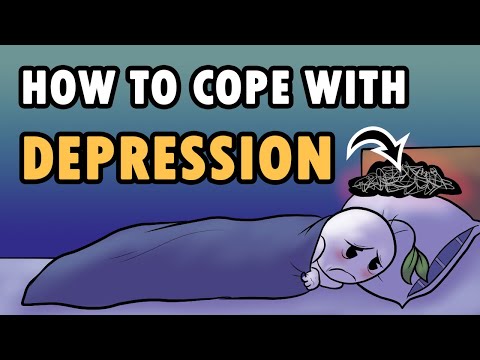
Hey there! If you’re feeling down in the dumps and it seems like it just won’t lift, you might be dealing with unipolar depression. Yeah, it’s a real thing, and it can seriously mess with your vibe.
Maybe you’ve felt that weight on your chest or that never-ending fatigue. It sucks, right? You’re not alone in this struggle. Lots of people are walking the same path, and it can be comforting to know that there’s help out there.
This isn’t just about feeling sad for a bit. It’s deeper, more complicated. I mean, sometimes you might feel nothing at all—and that’s tough, too. So let’s chat about what unipolar depression is all about and how to get through it without losing your mind. You ready?
Supporting a Loved One: Effective Strategies for Helping Someone with Unipolar Depression
Supporting someone with unipolar depression can feel overwhelming and, let’s be honest, kinda confusing. It’s not just about telling them to «cheer up» or «think positive.» It takes more than that. So here are some ways to really be there for your loved one and help them through the tough times.
Listen and Validate Their Feelings. One of the most important things you can do is lend an ear. Just sit down, and let them talk if they want to. Sometimes, they might not even know what to say. Well, that’s totally okay too. You could say something like, “I’m here for you. Take your time.” That makes a big difference.
Be Patient. Recovery from unipolar depression isn’t a sprint; it’s more like a slow walk. Some days will be better than others. There might be setbacks, which can be frustrating for both of you. Just remember that patience is key here. Don’t rush their healing process.
Encourage Professional Help. This might seem obvious, but some people resist therapy or medication because of stigma or fear of judgment. If your loved one isn’t seeing a therapist yet, gently suggest it—maybe by saying something like, “Talking to someone helped me when I was struggling.” Framing it this way makes it feel less daunting.
Help Them with Small Tasks. Depression can turn even the simplest tasks into mountains to climb—like getting out of bed or making food. Offer to help with things like grocery shopping or cooking a meal together. You could say, “Hey, how about I come over this weekend and we make some dinner?” This can bring them joy and remind them that they’re not alone.
Be Supportive Without Being Overbearing. It’s super important to find a balance here. You want your loved one to know you care but also give them space when they need it. Maybe check in regularly—send a text that says something lighthearted or just ask how they’re feeling today without pressure.
Encourage Activities They Enjoy. Even if they don’t feel like doing anything at all, gently encourage activities that once brought them joy—like going for a walk in nature or watching a favorite movie together. You’re basically reminding them there’s still spark left in their life.
Avoid Clichés and Comparisons. Saying things like “Others have it worse” or using clichés like “Everything happens for a reason” can make your loved one feel misunderstood or even isolated in their feelings. Instead, listen without judgment and focus on what they’re currently experiencing.
Educate Yourself About Depression. Understanding unipolar depression helps you respond better while also showing your loved one you’re committed to supporting them. Read articles, watch videos—whatever helps you grasp what they’re going through.
In closing—with patience and empathy as your guiding lights—you can provide meaningful support during tough times for someone dealing with unipolar depression. Remember: It’s all about being there without pressure; just your presence can mean the world!
Effective Strategies for Treating Unipolar Depression: A Comprehensive Guide
Unipolar depression, also known as major depressive disorder, can feel like a heavy weight on your shoulders. It’s more than just feeling sad; it can drain your energy, motivation, and joy from life. Treating this condition effectively includes a combination of various strategies that target both the emotional and physical aspects of mental health.
Therapy is often at the forefront of treatment. Different approaches work for different people. Here’s a quick look at some popular methods:
- Cognitive Behavioral Therapy (CBT): This helps you identify negative thought patterns and replace them with healthier ones. Imagine you’re stuck in a loop, thinking everything you do is pointless. CBT helps you break that cycle.
- Interpersonal Therapy (IPT): Focuses on improving your relationships and social skills. Sometimes, issues with loved ones can make depression worse. With IPT, you work through these challenges.
- Mindfulness-Based Cognitive Therapy (MBCT): Combines mindfulness practices with CBT. Ever notice how sometimes just being present can change your outlook? That’s what this therapy taps into.
Then, there’s medication. Antidepressants are commonly prescribed to help manage symptoms:
- SSRIs (Selective Serotonin Reuptake Inhibitors): Like fluoxetine or sertraline, these are usually the first line of defense because they’re generally well-tolerated.
- SNRIs (Serotonin-Norepinephrine Reuptake Inhibitors): These include medications like venlafaxine and duloxetine. They impact both serotonin and norepinephrine levels in the brain.
But here’s where it gets tricky: finding the right medication can be a bit of trial and error. You might start with one med, then switch if it doesn’t quite fit.
Lifestyle changes play a crucial role too! Exercise seems simple but is super effective; moving your body releases those feel-good endorphins that lighten mood. Even taking a brisk walk can help clear your mind.
And let’s not forget about nutrition! Eating well can boost brain health and energy levels—think about including plenty of fruits, veggies, whole grains, and proteins in your meals.
You know those times when reaching out feels like climbing Mount Everest? Connecting with others is key! Surrounding yourself with supportive friends or family creates a safety net when things get tough.
Also important: scheduling enjoyable activities. When you’re depressed, you might not feel like doing anything fun; however forcing yourself to engage in things you once loved—even if they don’t feel amazing at first—can gradually lift your spirits.
Lastly, never underestimate the power of self-compassion! Being gentle with yourself during tough moments is vital. Rather than beating yourself up over how you’re feeling or comparing yourself to others’ lives on social media (hello highlight reels), try acknowledging that it’s okay to not be okay sometimes.
The journey through unipolar depression isn’t always linear. You might face bumps along the way that require adjustments to your treatment plan or coping strategies—but that’s totally normal! Just remember: reaching out for help is an act of strength, not weakness.
Exploring Effective Therapies for Treating Unipolar Depression: A Comprehensive Guide
Unipolar depression, or major depressive disorder, can feel like a heavy fog that just won’t lift. You might find yourself stuck in a loop of negative thoughts and feelings. But here’s the thing: there are plenty of effective therapies out there that can help brighten things up.
Psychotherapy is often the go-to treatment for unipolar depression. You know, talking things out with a trained professional can make a world of difference. One popular approach is Cognitive Behavioral Therapy (CBT). So, what happens in CBT? Well, basically, it’s about recognizing those pesky negative thoughts and challenging them. Like, if you think «I’m worthless,» you work on replacing that thought with something more balanced. It’s all about shifting your mindset.
Another effective method is Interpersonal Therapy (IPT). This one focuses on your relationships and how they affect your mood. Maybe you’ve been feeling isolated or having trouble communicating with loved ones? IPT helps you tackle those issues directly. You’ll gain skills to improve your connections with others while also addressing the emotional distress you’re experiencing.
Then there’s Mindfulness-Based Cognitive Therapy (MBCT). Picture this: it’s kind of like meditation but blended with CBT techniques. You learn to be present and observe your thoughts without judgment. This helps break the cycle of depression by making you aware of when those dark thoughts creep back in.
Now let’s talk about medications. These can be super beneficial as well, especially when combined with therapy. Antidepressants often come into play here; they work on balancing chemicals in your brain that affect mood. It might take some time to find the right one and dosage for you, but don’t get discouraged! It’s all about finding what works best for you.
And let’s not forget about lifestyle changes! Regular exercise, a balanced diet, and good sleep hygiene can seriously impact how we feel emotionally. I once knew someone who started running every morning; it wasn’t just about fitness for them—it was their way of processing emotions too.
In addition to all this, support groups offer a sense of community—sharing experiences with others who «get it» can be healing in its own right.
So remember: whether it’s through therapy or medication—or even lifestyle shifts—there’s no one-size-fits-all approach here. You’ve got options! The key is finding what resonates with you personally and sticking with it until things start looking up again.
If you’re struggling or know someone who is, reaching out for help really does matter. You’re not alone in this fight; there’s hope ahead!
Coping with unipolar depression can feel like you’re carrying this heavy weight everywhere you go. It’s not just about feeling sad, although that’s a big part of it. It’s like being stuck in a fog where everything is dull and gray. Imagine waking up one morning and just not feeling like getting out of bed. Seriously, that’s how it can hit you.
When you’re in the mental health field, supporting someone with this kind of depression can be challenging but also incredibly rewarding. You have to understand that every person’s experience is unique. Some might struggle with motivation while others might wrestle with negative thoughts all day long. And hey, sometimes, they don’t even know why they feel that way! It’s like trying to find your way through a maze without a map.
One thing I’ve noticed is how important connection is. Just talking to someone who gets it? Total game changer. Say a friend opens up about their battle with depression; even sharing those feelings can lighten the load a bit. You realize you’re not alone in this mess, and that creates this special bond.
In practice, coping strategies can range from therapy techniques to lifestyle adjustments—things like exercise or mindfulness help too. But sometimes, people need medication to balance things out chemically—it’s all about finding what works for them individually.
I remember working with someone who felt trapped by their own mind for years. They struggled to see any light at the end of the tunnel—like being stuck in a really bad movie on repeat. But over time, and with support, they slowly began to piece their life back together. Watching them smile again? Wow! That was powerful stuff.
So yeah, coping with unipolar depression isn’t an easy road for anyone involved—whether you’re going through it or you’re helping someone else navigate their feelings—but those moments of progress? They make the tough times worthwhile. The thing is, hope doesn’t always come easy, but it’s definitely there if you keep searching for it together.