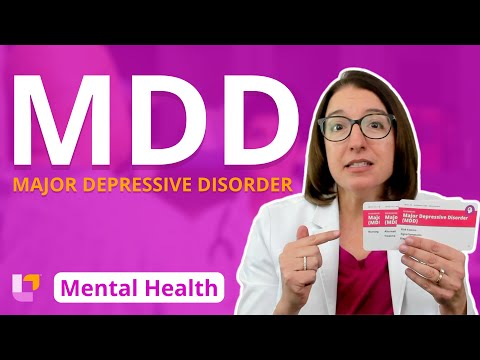
You know when you just feel… off? Like, no matter what you do, nothing seems to lift your spirits? It’s frustrating, right?
Unipolar depression can sneak up on you. Maybe it’s that overwhelming sadness that won’t shake off. Or sometimes, it’s the complete lack of energy to do anything—seriously, even getting out of bed feels like a chore.
But here’s the thing: recognizing those signs is so important. It opens the door to getting help and feeling better. So let’s chat about what to look for. You might find something that hits home.
Understanding the Clinical Features of Unipolar Depression in Adults: Key Signs and Symptoms
Unipolar depression, also called major depressive disorder, is more than just feeling sad. It’s a serious mental health condition that can affect your entire life. So, let’s break down what it really looks like.
Persistent Sadness: One of the most common signs is feeling sad or «down» for most of the day, nearly every day. You might notice this heaviness lingering like a cloud over your head. You wake up and just feel… blah.
Loss of Interest: Things you once loved—like hobbies, socializing, or spending time with friends—can seem uninteresting or exhausting. It’s like your favorite song got stuck on mute.
Changes in Appetite: This could swing either way—some people lose their appetite and drop weight; others might eat more and gain pounds. It’s like your relationship with food gets totally flipped upside down.
Sleeplessness or Oversleeping: Sleep patterns often go haywire. You might toss and turn for hours, unable to catch those Zs, or you feel like a sloth and sleep way too much. Either way, you wake up feeling tired.
Fatigue: Even small tasks can feel monumental when you’re dealing with depression. Getting out of bed? Sometimes that’s an Everest-level challenge.
Feelings of Worthlessness or Guilt: You may constantly criticize yourself or think you’re not good enough, which is super tough to shake off. It’s like being in a loop of negative self-talk that just won’t quit.
Difficulties Concentrating: Making decisions feels cloudy; focusing on work or daily activities slips right through your fingers. Your mind feels foggy, as if you’re trying to think underwater.
Recurrent Thoughts of Death: This can vary from fleeting thoughts about not wanting to live anymore to serious plans about harming yourself—you know it’s serious when those thoughts become persistent.
Recognizing these symptoms isn’t always easy because they can blend into the ups and downs of life. But if they hang around for two weeks or more and really mess with your day-to-day life? That’s a red flag worth paying attention to.
Many folks may brush off these feelings as just a phase—but that’s usually not the case! If you notice these signs in yourself or someone else—especially if they’re intense—that’s when reaching out for help could be crucial.
It’s totally okay to seek support from friends or professionals who get it because dealing with unipolar depression alone can be isolating as heck! Remember: acknowledging these symptoms is the first step toward getting better and reclaiming joy in life again!
Signs You’re in a Depressive Episode: Recognizing the Warning Indicators
So, let’s talk about depression. It’s one of those things that can sneak up on you. You might not even realize it’s happening until you’re really in the thick of it. Knowing the signs of a depressive episode can help you catch it early, which is super important.
First off, there are some common indicators. If you’re feeling down most of the day, nearly every day, that’s a big one. Like, think about when your friends say stuff like “You seem off” or “Are you okay?” That’s your cue to pay attention. It might feel like you’re walking around with a heavy blanket draped over your shoulders.
- Loss of interest: You know those hobbies you used to love? Suddenly they feel like a chore? That might be a sign. Maybe you used to love painting or running, but now just thinking about it makes you sigh.
- Changes in sleep: This one goes both ways—some people find it hard to sleep at all while others want to sleep all day long. If you’re awake at 3 AM staring at the ceiling or napping for hours and still feel exhausted, that’s not normal.
- Appetite shifts: Eating too much or not eating enough can also signal depression. Have you recently lost weight without trying or found yourself raiding the fridge for comfort food? Yeah, that’s something to think about.
- Fatigue and lack of energy: You wake up feeling like you’ve run a marathon in your sleep? Even small tasks feel monumental? That’s not just being lazy; it’s often linked with depression.
- A sense of hopelessness: When everything feels bleak and it seems like nothing will ever get better—that’s major red flag territory.
You know what else can happen? Sometimes it messes with our concentration too. Ever try reading a book and find yourself zoning out on every page? Or having conversations where you’re just nodding along but have no idea what was just said?
If these signs resonate with you, don’t beat yourself up about it. Seriously! A lot of folks go through this and might need some extra support. Talking to someone—a friend, family member, or therapist—can really make a difference.
The thing is, recognizing these signs early on can help prevent things from spiraling further downwards. Just remember: it’s okay to ask for help when you need it. You’re definitely not alone in this journey!
Key Symptoms to Identify in Unipolar Depressive Disorder Diagnosis
Unipolar depression, or major depressive disorder, can feel like a heavy cloud hanging over you. It’s more than just feeling sad. It can really mess with your day-to-day life.
Key symptoms are what clinicians look for when diagnosing this condition. So let’s break down some of the most common ones:
You know someone might deal with these symptoms daily—even if they don’t talk about it. I remember my friend Sarah; she was once the life of the party but started fading away after her mom passed. At first, we thought she was just grieving. But as weeks turned into months without her usual laughter, we realized something deeper was going on.
Recognizing these symptoms is crucial because early intervention can make a difference. And hey—if you notice these signs in yourself or someone else, talking to a mental health professional can really help figure things out.
Unipolar depression isn’t something to ignore—it’s real and has real effects on people’s lives. Don’t hesitate to reach out if these resonate with you or someone close. It matters!
Alright, so let’s chat about unipolar depression for a minute. You know, it’s one of those things that can really sneak up on you. Like, one day you’re going about your life, and then bam! You start feeling off, and it’s hard to pinpoint why. It can be frustrating.
So, first off, what does this look like? Well, some common symptoms are feeling super sad or empty most of the time. And that’s not just a “meh” day; we’re talking persistent feelings that stick around for weeks or even months. Imagine waking up and just not wanting to get out of bed because everything feels heavy. That sense can wear you down like nothing else.
Then there’s the whole issue with energy. You might find yourself completely drained from doing the simplest tasks—like laundry or making dinner. Seriously! I remember chatting with a friend who said it felt like climbing a mountain just to wash a few dishes. It’s wild how something so basic can feel insurmountable when you’re in that headspace.
Another key symptom is losing interest in things that used to bring you joy. Maybe you used to love going out with friends or painting—whatever it was, suddenly it doesn’t matter anymore. It’s like life loses its color and everything turns gray; I’ve seen this happen to people who were once vibrant and full of life.
Oh! And let’s not forget about sleep issues—either sleeping too much or struggling to catch those Zs at all. That combination can really mess with your mind too! If you wake up feeling groggy and foggy every day, that doesn’t do anyone any favors.
In my experience observing friends go through this stuff, I’ve realized that they often beat themselves up for feeling this way. They think they should tough it out or pull themselves together because they see others coping just fine. But seriously? That mindset only makes things ten times harder.
If any of this sounds familiar—or if you’re picking up on these signs in someone else—it might be time to have an open conversation about mental health. There’s no shame in reaching out for support; recognizing what you’re dealing with is the first step toward getting help and finding your light again.
Bottom line: Unipolar depression can feel isolating and heavy—and it’s totally okay not to have all the answers right now. Just being aware of those symptoms? That’s a brave move already!