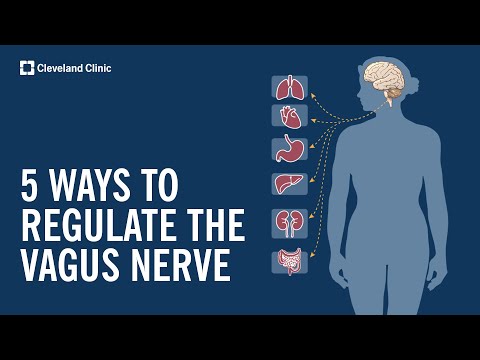
So, let’s talk about the vagus nerve. Sounds kinda fancy, huh? But really, it’s just a long nerve that runs from your brain to your gut.
You know those times when you’re stressed out and your stomach feels like it’s doing somersaults? Well, that’s where the vagus nerve steps in. It’s like a messenger between your brain and body.
And guess what? It plays a big role in how we handle anxiety and stress. Seriously! If you ever wonder why certain techniques help calm you down, there’s a good chance it has to do with this little guy.
Stick around; we’re gonna dig into how this nerve might just be your unexpected ally in battling those anxious feels!
Understanding Vagus Nerve Anxiety Symptoms: Insights for Better Mental Health
The vagus nerve is like this super important highway in your nervous system. It’s one of the long cranial nerves that start from the brainstem and travel all the way down to your abdomen. So, when we talk about vagus nerve anxiety symptoms, we’re really diving into how this nerve plays a role in your mental health and how you experience anxiety.
Okay, picture this: When you feel anxious, your body goes into overdrive. Your heart races, palms get sweaty—you know the drill. That’s part of the fight-or-flight response. But here’s where the vagus nerve comes in. It helps regulate that response by signaling to your body to calm down. If it’s not functioning well, you might feel stuck in that anxious state longer than necessary.
So what does this look like in real life? Well, some common vagus nerve anxiety symptoms can include:
- Rapid heartbeat: Your heart feels like it’s doing cardio even when you’re just chilling on the couch.
- Difficulty breathing: You might find yourself feeling short of breath or gasping for air.
- Dizziness: Sometimes, you could feel lightheaded or even faint, especially during stressful situations.
- Nausea: Your stomach might feel all knotted up or upset because of stress hormones flooding your system.
- Panic attacks: For some folks, these can hit outta nowhere—your mind races and your body reacts intensely.
It’s kind of wild when you think about it: something as simple as a nerve can have such a strong impact on how we deal with stress and anxiety.
Now, turning our focus to why all this matters: If you’re aware that these symptoms might be linked to your vagus nerve not working optimally, it opens up avenues for **relief**! There are several techniques you could try to help activate that nerve again:
- Deep breathing exercises: Taking slow breaths activates the vagus nerve and tells your body it’s safe.
- Meditation: Regular mindfulness practice can reduce anxiety by enhancing vagal tone (that basically means how well it works).
- Singing or humming: Seriously! These activities stimulate parts of the vagus nerve connected to voice.
- The «vagal maneuver»: Techniques like holding breath or splashing cold water on your face can help reset your body’s response.
Let me tell ya about a friend of mine—I’ll call her Jess. She always felt anxious in crowded places. It wasn’t until she learned about her vagus nerve that things started to click for her. She took up meditation and deep-breathing exercises, and guess what? Her panic attacks became less frequent over time! Like magic! Well… not exactly magic, but definitely better understanding.
So anyway, recognizing these symptoms as part of how our bodies react with an underactive vagus nerve allows us to take charge and find ways to improve our mental health—as opposed to just toughing it out alone.
In short? The vagus nerve is crucial for calming our bodies down when life gets overwhelming. By paying attention to those signs it sends us—like rapid heartbeat or dizziness—you may just discover new ways to manage anxiety more effectively!
Understanding Vagus Nerve Anxiety Attacks: Symptoms, Triggers, and Relief Strategies
The vagus nerve is a big deal when it comes to your body’s response to stress and anxiety. Seriously, it’s like the superhero of your nervous system, stretching from your brain down into your chest and abdomen. When you’re feeling anxious or stressed, this nerve can take quite a hit, leading to what some people call **vagus nerve anxiety attacks**. These are intense moments where you might feel overwhelmed. It’s like your body just freaks out for a minute.
So, what are the symptoms of these attacks? Well, they can vary from person to person, but here are some common ones you might experience:
- Rapid heartbeat: You know that feeling when your heart feels like it’s racing? That’s often linked to vagal responses.
- Dizziness: Sometimes during an attack, you might feel lightheaded or even faint.
- Shortness of breath: It can feel hard to catch your breath when anxiety strikes.
- Nausea: Your stomach might churn as if it’s doing backflips.
- Trembling or shaking: Those jitters can happen too – kind of like when you’re super nervous before a big presentation.
Triggers? Oh man, those can be sneaky. Everyday situations can suddenly morph into anxiety triggers. Here are some usual suspects:
- Stressful life events: Going through changes at work or family problems can really amp up anxiety levels.
- Caffeine consumption: That extra cup of coffee could be messing with your nerves more than you realize!
- Lack of sleep: If you’re running on fumes, you’re more likely to feel anxious.
- Poor diet: Not fueling your body properly can lead to an imbalance that stirs up those feelings.
Now let’s switch gears and talk relief strategies because that’s where the magic happens! You don’t have to just ride out those anxiety waves; there are ways to manage them:
- Breathing exercises: Deep breathing can signal the vagus nerve to chill out. Try inhaling slowly for four seconds, hold it for four seconds, then exhale for six seconds. It works wonders!
- Meditation: Taking a few minutes each day for mindfulness or meditation helps calm down both the mind and vagus nerve.
- The right diet: Eating foods rich in omega-3 fatty acids (like salmon) and probiotics (like yogurt) can support vagal function and make a world of difference.
- Laughter!: Seriously, laughter is not just good medicine; it also boosts vagal tone and helps reduce stress levels.
If you’ve ever felt one of those attacks come on like a wave crashing over you—heart racing while trying not to lose it—you know how overwhelming it can be. Just remember: being gentle with yourself is key. Understanding how the **vagus nerve** plays into all this helps too. You’ve got tools in your pocket now!
Understanding Vagus Nerve Anxiety Treatment: Natural Strategies for Relief and Wellness
The vagus nerve is like a superhighway in your body, connecting your brain to various organs. It plays a big role in managing anxiety and stress. When working well, it helps keep you calm and collected. But when it’s not functioning right, you might feel more anxious or even overwhelmed. So, understanding how to treat anxiety through the vagus nerve can be super beneficial for overall wellness.
What is the Vagus Nerve?
Basically, it’s the longest cranial nerve in your body, stretching from the brain all the way down into the abdomen. It affects heart rate, digestion, and how we react to stress. When you’re stressed out, this nerve can be like a stalled car in traffic. You need it to keep moving smoothly for everything else to function properly.
Why focus on the Vagus Nerve for Anxiety?
Research suggests that stimulating this nerve can help reduce symptoms of anxiety. There’s something called the parasympathetic nervous system, which basically helps your body chill out after an intense moment or stressful situation. The vagus nerve is a big player here; it signals your body to calm down.
So what can you do about it? Here are some natural strategies:
- Deep Breathing: This one’s simple but powerful. Just take slow breaths—like inhaling for four counts and exhaling for six or eight counts. This activates the vagus nerve and gets you feeling calmer.
- Meditation: Regular meditation has been shown to help with anxiety by increasing vagal tone (which basically means how efficiently this nerve works). Even just a few minutes daily can make a difference!
- Cold Exposure: Cold showers or splashing cold water on your face can kick that vagus nerve into gear! It might sound uncomfortable at first, but many folks say they feel energized afterward.
- Singing or Chanting: Sounds funny, right? But seriously, singing stimulates vocal cords connected to the vagus nerve! It’s kind of a two-for-one deal: you’re having fun while also helping with anxiety.
- Laughter: Just like singing, laughing brings joy while stimulating that oh-so-important nerve. Watch a funny show or hang out with friends who make you giggle.
Another thing to consider? Your diet! Foods rich in omega-3 fatty acids—like fish and flaxseeds—can support overall brain health and improve vagal function over time.
It’s important to remember that while these methods can be effective for many people dealing with anxiety, they’re not one-size-fits-all solutions. You might find some strategies work better than others—for instance, if you love music but hate meditating.
One last thing: if you’re feeling overwhelmed by anxiety consistently, don’t hesitate to reach out for professional help. Sometimes talking things through with someone who understands—even if it’s just for guidance—can make all the difference.
So there you have it! By focusing on your vagus nerve through these natural strategies, you can empower yourself toward relief and wellness from anxiety-related struggles. Give them a try—you might just surprise yourself!
Okay, so let’s chat about the vagus nerve for a sec. You know that feeling when anxiety hits you like a ton of bricks? It’s intense and overwhelming, right? Well, it turns out the vagus nerve plays a pretty big role in how we handle stress and anxiety.
Imagine your body is like a car. The vagus nerve is kind of like the GPS system. It helps navigate all those emotional highways and byways. When you’re stressed, your body is revving up, like you’re ready to hit the gas pedal hard. But the vagus nerve? It’s there letting you know it’s time to hit the brakes.
When I was dealing with anxiety, I remember sitting in my room just feeling completely overwhelmed by everything around me. I thought there was no end in sight; my heart raced, and it felt like I couldn’t catch my breath. It was during one of those moments that I stumbled upon deep breathing exercises. Funny enough, they actually helped calm me down! That’s where the vagus nerve comes into play—it basically helps lower your heart rate and promotes relaxation when you focus on your breathing.
You see, the vagus nerve runs from your brain down through your neck and into your chest and abdomen. It’s like this super important cable that connects our brain to our body parts involved in stress responses. So when you take deep breaths or even practice mindfulness techniques, you’re sending signals along that cable telling your body to chill out.
But it’s not only about breathing; things like yoga or even just hanging out with friends can also stimulate this nerve and help reduce anxiety levels. Have you ever noticed how great it feels to laugh or be around people who lift you up? That’s part of it too!
So basically, if you ever find yourself getting overwhelmed by life’s twists and turns—and believe me, we all do from time to time—think about what can get that vagus nerve working for you instead of against you. Whether it’s simple breathing exercises or some good ol’ laughter with friends—whatever gets those feel-good vibes flowing can really help manage all that anxious energy bubbling up inside.
There’s something comforting in knowing we have tools within us to promote calmness amidst chaos, isn’t there?