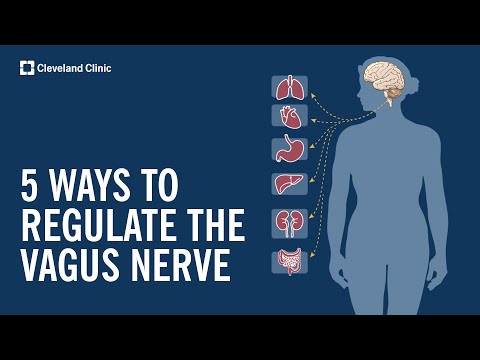
So, let’s chat about something kinda cool: vagus nerve stimulation. Sounds fancy, right? But it’s really just a neat way to help treat depression.
You know how sometimes you feel totally overwhelmed? Like your thoughts are just racing, and you can’t catch a break? Well, this little nerve might be part of the solution.
Imagine if there was a way to help calm that storm inside you without all the usual methods. That’s what vagus nerve stimulation is aiming for. It’s like giving your brain a gentle nudge, helping it find a better balance.
If you’re curious about how it works and whether it could be something that helps you or someone you care about, stick around! This could be an interesting ride through the world of mental health.
Exploring Non-Invasive Vagus Nerve Stimulation: A Promising Approach to Alleviating Depression
Vagus nerve stimulation (VNS) is creating some buzz in the mental health world lately, especially for folks dealing with depression. So, what’s the deal with it? The vagus nerve is a big player in your body’s nervous system. It runs from your brain down to your abdomen. It helps regulate things like heart rate and digestion, but it also connects to mood and emotional regulation.
When you stimulate this nerve, research suggests it can have a positive effect on depression symptoms. You don’t need surgery either. Non-invasive VNS uses a device placed on your skin that sends out mild electrical pulses. It sounds a little sci-fi, but people are finding it helpful.
How does VNS work? Well, the idea is that when you stimulate the vagus nerve, you’re kind of “rebooting” your brain’s mood systems. Imagine your brain as this busy hub where all sorts of messages get tangled up sometimes; VNS helps clear some of that clutter and boosts neurotransmitters like serotonin and dopamine—key players in how you feel.
Here are some key points about how non-invasive VNS could help with depression:
Imagine someone who’s been in a fog for months due to their depression—let’s call her Sarah. She started using non-invasive VNS after trying different medications that didn’t quite hit the mark for her. After a few weeks, she noticed she was engaging more in life again, feeling more hopeful about the future.
It’s not all sunshine and rainbows though. This treatment doesn’t work for everyone—some people don’t see much change at all. And since it’s still relatively new, there’s ongoing research to figure out just who might benefit most from it.
The takeaway? While non-invasive vagus nerve stimulation isn’t a magic cure-all for depression, it’s an exciting option on the horizon that could help many people find relief where other treatments have failed them.
It’s important to chat with healthcare professionals if you’re considering this route—they can guide you in finding what might work best for you based on your specific situation and needs!
Exploring the Success Rate of Vagus Nerve Stimulation for Treating Depression
Vagus nerve stimulation (VNS) is kind of a game-changer when it comes to treating depression. You might be wondering, “How does sticking something in my neck help my mood?” Well, here’s the scoop.
The vagus nerve runs from your brain all the way down to your abdomen. It’s like a highway for signals that can affect mood regulation. VNS involves implanting a small device that sends electrical impulses to the vagus nerve, which can help lift your spirits when traditional treatments aren’t cutting it.
Now, let’s break down how successful this approach really is for treating depression. There are a few key points to consider:
- Success Rate: Research indicates that VNS can lead to improvement in symptoms for around 30-40% of people with treatment-resistant depression. It’s not a magic bullet, but it can definitely help some folks who feel stuck.
- Long-Term Benefits: One of the cool things about VNS is that it often provides ongoing relief over time. Many patients report feeling better during the months and years after starting VNS therapy.
- Combination with Other Treatments: VNS works best when paired with other forms of treatment like medication or therapy. Think of it as an extra tool in your mental health toolbox—helping boost what you’re already doing.
- Individual Variability: Not everyone will respond the same way. Some people feel improvements pretty quickly, while others might take longer to notice any changes at all.
- Side Effects: Like any medical treatment, VNS comes with its share of side effects—like voice changes or throat discomfort—but most people find them manageable compared to their ongoing depression symptoms.
Anecdote time! I remember chatting with someone who’d been battling severe depression for years. They tried meds and therapy and felt so frustrated that nothing seemed to work until they heard about VNS. After getting the implant, they started noticing little shifts; first, they could enjoy coffee again—who knew that was even possible? Over time, they reported feeling more hopeful and connected with friends again.
Of course, VNS isn’t for everybody. Doctors usually consider this option if you’ve already tried other treatments without success. And yeah, there’s some surgery involved since they have to put in that device under your skin in your chest area.
In a nutshell, while vagus nerve stimulation isn’t a one-size-fits-all solution for depression, it does offer hope where other treatments have failed for some people. If you’re curious about whether it’s right for you or someone you know, chatting with a healthcare provider might be a solid next step!
Unlocking Relief: How Vagus Nerve Stimulation Can Alleviate Anxiety and Depression
The vagus nerve, wow, it’s like the body’s super highway that connects your brain to your organs. Seriously, it plays a huge role in how we feel. When we talk about **vagus nerve stimulation (VNS)**, we’re looking at a way to help with anxiety and depression. It sounds a bit sci-fi, right? But stick with me; it’s pretty interesting.
So, what exactly does VNS do? Well, it involves sending electrical impulses to the vagus nerve via a small device implanted in your neck. This might sound intense, but the idea is pretty simple: the vagus nerve helps regulate mood by sending signals between the brain and body.
Now, here are some key points about VNS and how it can help with anxiety and depression:
You might be wondering how effective VNS actually is. Research shows it can help many people who haven’t found relief from traditional treatments. Some studies even suggest that **about 50% of patients report significant improvement** in their symptoms after using VNS for a while.
And here’s something cool: think back to when you felt completely overwhelmed—maybe dealing with an exam or relationship problems—and your tummy tightened up or you had a hard time breathing. That physical response is linked to anxiety and stress levels connected through the vagus nerve! Picture this: by stimulating this nerve regularly through VNS, you’re sending signals back to calm those reactions down.
But it’s not all sunshine and rainbows. There are some things to consider before jumping into VNS therapy:
If you’re curious about trying out VNS as an option for managing anxiety or depression, chatting with your doctor could be a good first step. They can give you more details based on your unique situation.
In short, while not everyone will find relief from using Vagus Nerve Stimulation therapy for their mental health issues, it’s definitely an innovative approach that’s helping many folks tackle those tough feelings of anxiety and depression head-on!
Okay, so let’s chat about something that’s been buzzing around the mental health community lately: Vagus Nerve Stimulation (VNS) for treating depression. You might be thinking, “What even is that?” Well, I hear you. It sounds kinda sci-fi, right? But hang tight; it’s actually pretty interesting.
So, picture this: the vagus nerve is like a super highway running from your brain down to your gut. It connects all sorts of important stuff in your body and helps regulate emotions, among other things. When it gets a little out of whack, though—like during times of anxiety or deep sadness—it can totally mess with how you feel day-to-day.
Now here’s where VNS comes in. Basically, doctors implant a small device under your skin (yep, like a tiny pacemaker), and it sends mild electrical pulses to the vagus nerve. This might sound weird or even uncomfortable at first, but some folks find it helps lift their mood when nothing else has worked.
I remember chatting with a friend once who was dealing with some pretty heavy depression. She’d tried everything from therapy to medication but felt like she was still stuck in this fog. Then she heard about VNS and decided to give it a shot after her doctor explained how it could help regulate those feelings connected to her vagus nerve—like flipping a switch back on for part of her brain.
It didn’t happen overnight, but over time she noticed small changes. Less crying over random things and more energy on weekends! Not saying it’s a magic fix for everyone—treatment isn’t one-size-fits-all—but hearing her story really made me realize how important it is to explore different options out there.
Of course, there are still questions around long-term effects and who would benefit most from this treatment. And some people might feel hesitant because surgery sounds intense—but knowing that there are new approaches being researched gives hope to so many struggling with depression.
So while we’re still unpacking all this info about Vagus Nerve Stimulation and its potential role in mental health care, it’s definitely worth paying attention to developments in this area. Because if there’s anything I’ve learned talking to different folks about their experiences with therapy or meds—it’s that finding what works for YOU can be an adventure worth taking.