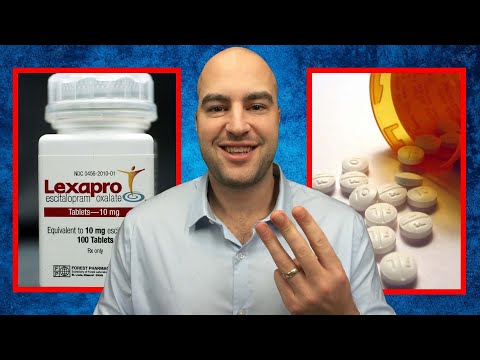
So, you’re caught up in the whirlwind of mental health stuff. Seriously, it can be overwhelming, can’t it? You hear about different meds—like Valium and Lexapro—and it’s like, what do they even do?
You might know someone who’s tried one or both. Or maybe you’re just looking for a little clarity on how they fit into the whole treatment picture. That’s totally normal!
Look, it’s all about finding what works for you. We’re all unique, with our own journeys and challenges. And knowing your options? Super important.
Alright, let’s break this down together and figure out what these meds are all about!
Understanding the Risks and Benefits of Combining Lexapro and Diazepam
When you’re looking at combining **Lexapro** (which is basically an antidepressant) and **Diazepam** (like Valium, an anti-anxiety med), there are some important things to think about. On one hand, it can help with depression and anxiety symptoms. But on the other hand, there are risks you should be aware of.
Lexapro is part of a class of medications called SSRIs. They work by increasing serotonin levels in your brain, which plays a huge role in mood regulation. So if you’re feeling down or anxious, Lexapro can really make a difference.
Now, Diazepam works differently. It’s a benzodiazepine that calms you down by enhancing the effects of a neurotransmitter called GABA. That’s great for short-term anxiety relief but can lead to dependence if used too much over time.
Combining these two meds isn’t uncommon—doctors may prescribe them together for more effective treatment. But this isn’t without its challenges. Here are some key points to consider:
- Risk of Sedation: When you take both, you might feel extra drowsy or sedated since they both have calming effects.
- Potential for Dependence: Long-term use of Diazepam carries the risk of dependency. That could mean withdrawal symptoms if you try to stop taking it suddenly.
- Dose Adjustment: Your doctor may need to adjust dosages when combining them because how one drug affects your body can change when another is added.
- Side Effects: Combining these meds may increase side effects like dizziness or concentration issues. You wanna be careful about how this impacts your daily life.
Let me share a quick example: imagine you’re feeling overwhelmed at work and have been prescribed Lexapro to help manage that stress. If your anxiety flares up during an important presentation, taking Diazepam might help calm those nerves on the spot. This combo could allow you to function better in high-pressure situations.
But here’s where it gets dicey: If you lean too heavily on Diazepam over time, those moments may become more frequent because your body starts relying on it rather than working through underlying issues like anxiety naturally.
That said, having a solid conversation with your doctor is super important before mixing these medications! They’ll assess whether the benefits outweigh the risks specifically for you since everyone’s body reacts differently.
So really, understanding what Lexapro and Diazepam can do together means weighing those pros against cons and knowing how they fit into your overall mental health plan!
Understanding Valium: Mental Illnesses Treated and Its Role in Mental Health Care
Valium, or the generic name diazepam, is a medication that’s often used to help with anxiety, muscle spasms, and seizures. You know how sometimes life can feel like it’s spinning out of control? Well, that’s where Valium can step in and help stabilize things a bit. Basically, it works by calming your brain and nerves. It belongs to a class of drugs called benzodiazepines, which are known for their sedative effects.
When it comes to mental illnesses, Valium primarily helps with anxiety disorders. If you’ve ever felt that overwhelming panic before a big presentation or an important life event, you might understand the value of having something that can ease those nerves. It’s also used for panic disorder, which includes sudden and intense episodes of fear and anxiety.
Another area where Valium shines is in its role as a muscle relaxant. Imagine being all tense after a stressful day or from an accident; Valium helps relax those muscles too. That’s why doctors might prescribe it for conditions like back pain or other muscle-related issues.
Now, let’s talk about its importance in the bigger picture of mental health care. Medications like Valium are usually part of a broader treatment plan. You’re not just handed pills and sent on your way—there’s typically some therapy involved too. This combination can be super effective because while the medication tackles immediate symptoms, therapy addresses the root causes over time.
But it’s crucial to note that Valium isn’t meant for long-term use due to the risk of dependence. If your doctor prescribes it, they’ll be keeping an eye on how you’re doing. The goal is to get you feeling better while helping you build other coping strategies.
You might have heard about other medications like Lexapro. While Lexapro is an antidepressant that helps with depression and anxiety by balancing serotonin levels in the brain, Valium takes a different approach with its calming effects. So yeah, they both play important roles but target different aspects of mental health.
In summary, Valium has its place when addressing certain issues related to mental health—like anxiety and muscle tension—but it’s all about finding what works best for each person individually. So whether you’re exploring options or in talks with your doctor about treatment plans, remember that understanding these meds is key to navigating your mental well-being journey well!
Understanding Lexapro: Mental Illnesses Treated and Its Benefits
Lexapro, or its generic name escitalopram, is a pill that gets a lot of attention for treating various mental health conditions. Basically, it’s an antidepressant that falls under the category of selective serotonin reuptake inhibitors (SSRIs). This means it works by increasing the levels of serotonin in your brain, which can help improve mood and reduce anxiety.
So, what does Lexapro actually treat? Here are some common conditions:
- Major Depressive Disorder (MDD): If you’re feeling persistently sad or hopeless, this could be your go-to medication. It helps lift the weight off your chest.
- Generalized Anxiety Disorder (GAD): If anxiety is always buzzing in your head like a pesky fly, Lexapro can calm things down.
- Panic Disorder: For anyone dealing with sudden panic attacks that seem to come out of nowhere, Lexapro might help you feel more grounded.
- Obsessive-Compulsive Disorder (OCD): It can also assist those wrestling with unwanted thoughts and compulsive behaviors.
The benefits of taking this med are pretty significant for a lot of folks. Like I said before, it boosts serotonin levels. That’s crucial because low serotonin is linked to depression and anxiety disorders. When you’re on Lexapro, you might notice improvements like:
- Better Mood: The heavy cloud seems to lift. You start enjoying things again—like that hobby you used to love.
- Less Anxiety: You might find yourself able to face situations that used to feel overwhelming without spiraling into panic.
- Improved Focus: It’s like turning up the volume on your brain’s ability to concentrate, helping you get through tasks more easily.
- User-Friendly Dosing: Usually taken once daily, it fits easily into most routines without making life too complicated.
But hey, it’s not all sunshine and rainbows. Just like any medication, there are potential side effects you may want to keep in mind. Some people experience nausea or fatigue when they first start taking it. For others, weight changes or sleep disturbances might come into play as well.
It’s vital to talk with a healthcare provider about whether Lexapro is right for you. They’ll help weigh out those pros and cons based on your situation.
Just remember: finding the right mental health treatment can take time and patience—it’s totally normal if it feels like you’re playing a guessing game at first! You’re not alone in this journey; being open and honest about how you’re feeling will help make that path clearer.
So when exploring options like Valium or other treatments alongside Lexapro, consider having candid conversations with your doctor about what feels best for you—and know there’s hope out there!
So, let’s chat a bit about Valium and Lexapro, which are pretty commonly discussed when folks are looking into mental health treatment. You know, it can feel like standing in front of a vending machine with all these options, and you’re not quite sure what to pick. One’s for anxiety and the other’s more for depression… but there’s so much more to it than that.
I remember a friend of mine, Sarah. She was juggling anxiety and depression for years. It was tough to see her struggle through daily life, feeling trapped by her own thoughts. After lots of searching and talking with different doctors, she finally landed on Lexapro first. It felt like a light bulb moment—slowly but surely, she began to find some footing. But then there were days when that tightness in her chest would creep back—a reminder that her journey was far from linear.
That’s where Valium came into play for her; it’s used as a short-term relief option when anxiety spikes really bad. Like when you have one of those days where everything feels too much—the kind where even getting out of bed feels like climbing Everest. Valium could help chill things out just enough for her to get through dinner plans or an important meeting at work.
But here’s the thing about using both: balancing them isn’t always straightforward. Lexapro takes time to build up in your system and can take weeks to start working right—kind of like waiting for a plant to grow after you’ve watered it. Valium, on the other hand, works its magic pretty fast but isn’t something you want hanging around long-term due to its potential side effects or risk of dependency.
And honestly? The conversations around these medications can make anyone feel overwhelmed. Do I want quick relief? Or do I want something that helps build a solid foundation? It’s not just about choosing one over the other; it often turns into this trial-and-error process until you find what fits best for you.
So yeah, if you or someone close is navigating these waters right now—know that you’re not alone in figuring this out. Just be open with your doctor about how you’re feeling and keep an eye on what works (and what doesn’t). Mental health is personal and sometimes messy, but finding ways that make sense for you is totally possible! Just hang in there; every step counts, even the wobbly ones.