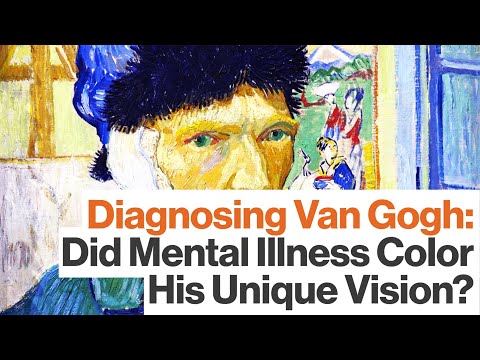
You know Vincent van Gogh, right? The guy with the crazy swirly paintings? Well, he wasn’t just a genius with a brush. He had a wild ride of struggles too.
Imagine pouring your heart into your art while battling the ups and downs of bipolar disorder. That’s Vincent’s story.
His creativity? Oh man, it was fueled by those intense emotions that came crashing in waves. But it wasn’t all sunshine and daisies. The dark times hit hard, and they shaped his work in ways that are kind of mind-blowing.
So, let’s talk about how his mental health played a huge role in creating some of the most memorable pieces ever.
Understanding Theo van Gogh’s Mental Health Challenges: A Deep Dive into His Illness
So, let’s talk about Theo van Gogh and the mental health challenges he faced. You might know him as Vincent van Gogh’s brother, right? Well, beyond being an artist’s confidant and supporter, Theo had his own struggles that often flew under the radar.
First off, **bipolar disorder** is a term that comes up when discussing Van Gogh’s life. This condition involves extreme mood swings—think of it like riding a roller coaster. Sometimes you’re at the top, feeling super high and creative; other times, you’re down in the depths of despair. Vincent experienced these intense highs and lows throughout his life.
Creativity and Mental Illness
There’s this fascinating connection between creativity and mental illness. Many artists, including Van Gogh, have shown how their mental health struggles can fuel their artistic expression. During his manic episodes, he painted some of his most famous works—like «Starry Night.» These bursts of creativity were intense! But they often came paired with deep emotional pain.
It gets tricky because during depressive phases, Vincent struggled to find motivation to create at all. This cycle made it hard for him to maintain consistent productivity or relationships. You see how this could lead to feelings of isolation? It’s really heartbreaking.
Support from Theo
Now let’s talk about Theo’s role here. He wasn’t just the supportive brother; he was also a source of stability for Vincent during chaotic times. But supporting someone with bipolar disorder isn’t easy—it can be draining! Sometimes Theo felt overwhelmed trying to help Vincent manage his moods and behaviors while juggling his own life.
The bond they shared was strong but complicated. They corresponded through letters where you can truly feel their connection and underlying tensions around Van Gogh’s mental health episodes.
Coping Mechanisms
Theo tried various ways to cope with these challenges—both for himself and for Vincent. Sometimes he focused on practical solutions like seeking out doctors or treatments (though understanding mental illness was pretty limited back then). Other times he’d turn to art shows or sales—anything that might uplift Vincent’s spirits or provide financial support.
Unfortunately, perceptions around mental health in their time weren’t great either! Stigma was rampant, making it even harder for both brothers to address these issues openly without fear of judgment.
In summary, delving into Theo van Gogh’s experiences provides insight into how intertwined mental health can be with familial dynamics and creativity itself. Their story highlights the importance of understanding mental illness—not just from a clinical perspective but as a deeply human experience that affects relationships profoundly.
When you look at Vinvent’s artwork now—and knowing what went on behind the scenes—it adds layers of depth you might not have recognized before!
Unraveling Van Gogh’s Psychosis: Insights into the Artist’s Mental Health Journey
Vincent van Gogh is one of those artists whose life story feels like it’s straight out of a movie, don’t you think? His incredible work stands in stark contrast to his tumultuous mental health struggles. Let’s peel back the layers a bit on his journey, especially focusing on his battles with what many believe to be bipolar disorder.
Van Gogh’s Mental Health Struggles
So, here’s the deal. Van Gogh had some serious ups and downs. He experienced intense periods of creativity followed by deep depressions. This rollercoaster is typical for people with bipolar disorder. During his manic phases, he painted like a whirlwind! Bright colors flew off his brush as he captured emotion in a way that was really groundbreaking for his time.
But then, the shadows would creep in. You can almost feel how heavy it must have been for him when he was down. His letters reveal a tortured soul grappling with feelings of despair and loneliness. He often felt isolated even when surrounded by people, which is something many who struggle with mental health issues can relate to.
The Link Between Creativity and Mental Health
Now, let’s talk about creativity. There’s this ongoing conversation about how mental illness can sometimes fuel artistic genius, you know? For Van Gogh, it seemed that way too. His talent flourished during those manic spells when ideas flowed freely and inspiration hit hard.
But there’s a flip side—not every artist can channel their pain into something beautiful. Van Gogh’s struggles were so intense that they led to self-harm and erratic behavior, which eventually landed him in an asylum for treatment. Imagine being so passionate yet feeling completely out of control at times.
Psychosis and Its Role
There are accounts suggesting that Van Gogh experienced psychotic episodes—times when reality felt distorted, leading him to see things that weren’t there or lose touch with what was real. This could explain some of those swirling landscapes or starry nights we love so much! They might reflect the chaos happening in his mind at the time.
His infamous incident where he cut off part of his ear is often discussed as well—not just once did he lose control in such violent ways during these episodes, reflecting just how fragile he truly was mentally.
The Artist’s Legacy
Despite all this pain, Van Gogh left behind a legacy that resonates today—his works speak to the human experience: love, loss, joy, and sorrow all intertwined! They invite us into his world where beauty coexists with suffering.
What we learn from Van Gogh goes beyond art; it shows us how complex mental health really is! His life reminds us that while struggles can bring incredible creativity and insight into our lives—or others’ lives—they also demand care and understanding.
In short—and I mean really short—Van Gogh’s story illustrates the tightrope walk many tread between creativity and chaos. It opens up conversations about mental health that are essential even today as we seek to understand ourselves better.
Exploring the Mental Health Struggles Behind Van Gogh’s Death: A Legacy of Art and Emotion
Vincent van Gogh, the brilliant artist whose paintings burst with color and emotion, faced serious mental health struggles throughout his life. His story is both tragic and captivating, intertwined with his extraordinary creativity. You know, many people think that artists are just a little quirky or moody, but Van Gogh’s struggles ran much deeper than that.
Bipolar disorder, which he likely had, is a condition characterized by extreme mood swings. These can range from manic highs—where you feel on top of the world—to deep lows of depression. Van Gogh experienced these intense shifts. He’d go from working frantically on paintings during periods of mania to falling into dark depressions where even getting out of bed felt impossible.
Think about it: imagine being in a state where you’re completely overwhelmed by emotions. That’s what Van Gogh dealt with on the daily. During one of his manic phases, he created over 100 paintings in a single month! But after those highs, the lows could be debilitating. He’d sometimes cut off his own ear during moments of crisis—a shocking act that shows how deeply distressing his mental state could be.
Also worth noting is how creativity and mental illness often dance together for many artists. For Van Gogh, painting was an outlet for his emotions. It was like he poured every feeling he had into those canvases—the joy, despair, loneliness—all of it came alive through his brushstrokes. His famous pieces like «Starry Night» reflect not only beauty but also turbulence and chaos within him.
Here’s another thing: the stresses of life didn’t help either. Vincent moved around quite a bit—from the Netherlands to France—and struggled to make connections and find acceptance in the art world. He often felt isolated and misunderstood; this feeling only fueled his emotional turmoil.
Sadly, all these battles took their toll on him mentally and emotionally. In 1890, at just 37 years old, he died from an apparent self-inflicted gunshot wound. It’s heartbreaking to think that this incredible talent felt so alone in his pain that he saw no other way out.
People today recognize Van Gogh not only for his art but also as someone who faced significant challenges with mental health—and seriously impacted how we view creativity today. He reminds us that even amidst amazing creations, there can be hidden struggles we might not see immediately.
In summary:
- Van Gogh likely had bipolar disorder, facing extreme mood swings.
- His creativity bloomed during manic phases but suffered during depressive episodes.
- Art became an outlet for expressing overwhelming emotions.
- Life stressors contributed to feelings of isolation and despair.
- His tragic death highlights the serious impact of untreated mental illness.
Ultimately, exploring Van Gogh’s life gives us insight into how complex human emotions can be—especially when mixed with creativity—and serves as a reminder to look beyond what’s visible on the surface.
Vincent van Gogh is one of those artists who really gets you thinking, right? His paintings are bursting with color and emotion, but when you learn about his life, it’s like peeling back the layers of a really complex onion. He struggled deeply with mental health issues, and many believe he had bipolar disorder. Just imagine the highs and lows he went through—like riding a roller coaster but without the thrill, just chaos.
There’s this story I read about how on one of his better days, he created «Starry Night.» You can feel the swirling sky and bright stars almost pulsing with energy. It’s wild to think that those intense emotions fueled such beautiful art. But then there were days he could barely get out of bed or even pick up a brush. Those dark moments must have been isolating; it’s hard not to feel for him.
What strikes me is how closely tied creativity can be to our mental state. Ever felt inspired when you’re on top of the world? Or conversely, completely stuck when you’re down in the dumps? Van Gogh’s life kind of echoes that experience. He poured his heart into his work during those manic episodes—producing incredible pieces seemingly in a frenzy. But after those peaks often came intense crashes that left him feeling empty and despairing.
It makes you wonder: Do these struggles make artists like him more passionate or understanding of human emotion? Or do they just push them closer to the edge? It’s kind of both tragic and beautiful, I guess. His legacy is all about finding light in darkness—a reminder that even amidst personal turmoil, something extraordinary can emerge.
When we look at Van Gogh’s work now, it’s like we’re getting a peek into his soul—a soul that wrestled with demons but also fought fiercely for beauty and expression. His journey shows us how intertwined creativity and mental health can be, each influencing the other in ways we might never fully understand.