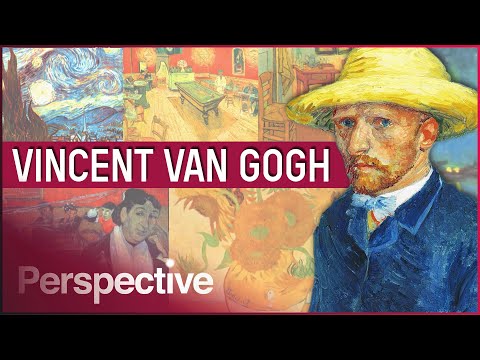
You know Vincent van Gogh, right? The guy with the wild brush strokes and vivid colors? Well, his art wasn’t just pretty pictures. There’s a deeper story there.
Imagine living with intense emotions that swing like a pendulum. That was Vincent’s reality. Some say he had Borderline Personality Disorder, or BPD for short. It’s a condition that can make life feel like a rollercoaster ride.
But here’s the thing—his struggles with BPD didn’t just haunt him; they fueled his creativity. Like, seriously! Those swirling skies in «Starry Night»? They might just be reflections of his inner turmoil.
So, grab your favorite drink and let’s chat about how van Gogh’s battles shaped his art.
Exploring Van Gogh’s Mental Health: Unraveling His Struggles with Emotion and Creativity
Vincent van Gogh is one of those names that just sticks with you, right? His breathtaking paintings have a way of hitting you deep, and it’s pretty fascinating how his mental health played such a huge role in his art. The thing is, he wasn’t just a tortured genius for the sake of it; his emotional struggles were real and intense.
Let’s talk about Borderline Personality Disorder (BPD). Some experts think Van Gogh displayed traits of BPD. You know how people with BPD can have these intense emotions and trouble maintaining stable relationships? Van Gogh’s letters to his brother Theo show serious ups and downs—sometimes he was ecstatic about life, pouring out his creativity, while other times he was filled with despair.
- His mood swings were extreme, often shifting from joy to sadness in a heartbeat.
- He had intense fears of abandonment. Can you imagine feeling that way all the time?
- His relationships were tumultuous—especially with artists like Gauguin. Their time together ended abruptly after a heated argument.
It’s almost heart-wrenching to think about how these emotional roller coasters fueled his creativity. But there’s something almost tragic about it too. Van Gogh found solace in painting—the colors, the strokes—they became an outlet for what he couldn’t express in words. Picture him laying down those vibrant yellows and blues, channeling his inner turmoil into something beautiful.
When we look at pieces like “Starry Night,” it’s not just a pretty picture; there’s so much more beneath the surface. You can feel that swirling energy—a reflection of chaos mixed with wonder. It’s like the night sky mirrors his inner thoughts: chaotic yet mesmerizing.
But let’s not overlook the darker times either. There were moments when Van Gogh struggled profoundly with anxiety and depression, leading to that infamous incident where he cut off part of his ear after a fight with Gauguin. That act wasn’t just impulsive—it was a manifestation of deep-seated pain and confusion.
Art therapy can help folks struggling with similar issues today by allowing them to express emotions they might not be able to verbalize effectively—just like Van Gogh did back then! It opens doors to understanding oneself better, right?
At the end of the day, Van Gogh’s story is both tragic and inspiring—a reminder that art has this incredible power to transform pain into beauty. He creates something lasting even when battling demons so profound every step felt like climbing a mountain.
So next time you come across one of Van Gogh’s paintings, take a moment—not just to admire the artistry but also to recognize the deeply human struggle behind each brushstroke. That connection lies at the heart of why we still feel so drawn to him today.
Exploring the Artistic Expression of Individuals with Borderline Personality Disorder (BPD)
Borderline Personality Disorder (BPD) is a complex and often misunderstood mental health condition. People with BPD experience intense emotions, unstable relationships, and a shaky sense of self. Seriously, it can feel like riding an emotional rollercoaster all day, every day. A lot of individuals with BPD channel these feelings into artistic expression. Let’s look at how this connection works without diving too deep into the clinical stuff.
Emotional Intensity is a major theme for those with BPD. Imagine feeling happiness so intensely that it almost feels like flying, but then suddenly dropping into despair. Vincent van Gogh, often believed to have struggled with BPD, poured his emotional upheaval into his art. His vivid colors and dramatic brush strokes capture that raw energy—like the swirling skies in «Starry Night.»
Art offers a safe outlet for expressing these intense feelings. It’s like writing in a diary but with colors or shapes instead of words. You can express things that maybe are too hard to say out loud or even think about clearly yourself. Many artists find that when they create, they’re able to process their emotions better.
But there’s also a flip side to this artistic journey. Sometimes the emotional turmoil can lead to creative blocks. When everything feels chaotic inside, it might feel impossible to pick up a paintbrush or put pen to paper. You could be inspired one day and utterly stuck the next, which adds another layer of frustration.
Some people with BPD find support through art therapy. This approach combines traditional therapy techniques with creative activities like painting, drawing, or even sculpting. The process helps individuals explore their feelings in a non-verbal way—like running free in an open field instead of being confined to a small room filled with thoughts.
Anecdotally speaking, my friend Sarah used to struggle profoundly with her emotions because of her BPD diagnosis. She started taking an art class at her community center and found solace in painting landscapes and expressive portraits. When she painted about sadness or anger, it was as if she was letting go of those feelings onto the canvas instead of bottling them up inside.
Another interesting thing is that artists dealing with BPD can often create work that resonates deeply with others—those who might not share their experiences but connect to them emotionally nonetheless. Their struggles become relatable art pieces that speak volumes about the human experience.
In the end, exploring artistic expression among individuals with Borderline Personality Disorder shows us how creativity can both reflect deep emotional struggles and serve as a healing tool—a way of translating pain into something beautiful or meaningful rather than simply suffering through it alone.
So yeah, art really becomes more than just paint on canvas; it’s like breathing life into feelings that desperately need an escape hatch!
Exploring Van Gogh’s Mental Health: The Story Behind His Ear-Cutting Incident
You know, Vincent van Gogh was not just an amazing artist; he was also a guy who had some serious struggles with his mental health. The infamous ear-cutting incident is often seen as a peak moment in his life. It’s like a snapshot of how deep his pain ran and the kind of turmoil he dealt with every day.
First off, let’s talk about Borderline Personality Disorder (BPD). Some mental health professionals believe Van Gogh might have had BPD. This condition can make people experience intense emotions, have trouble maintaining stable relationships, and struggle with self-image. It’s like you’re on this crazy emotional rollercoaster that never seems to stop. Imagine feeling super high one moment and then crashing down the next—that was probably a part of Van Gogh’s everyday life.
Now, the whole ear incident happened after a heated argument with fellow artist Paul Gauguin in December 1888. They were living together in Arles, which was supposed to be this creative paradise but turned into chaos. During this fight, Van Gogh lost it. He ended up cutting part of his own ear with a razor blade! Seriously intense stuff right? It was such a shocking event that it sent him spiraling deeper into his mental health struggles.
After that incident, things just got worse for him. He spent time in psychiatric hospitals where he’d paint but also had moments of real despair. His art became this outlet for all those swirling emotions inside him. You could say every brushstroke was like therapy for him—or maybe just the way he tried to communicate feelings that words couldn’t capture.
But here’s something important: art can be therapeutic for many people battling mental illness. Van Gogh painted more than 2,000 works, most created during periods when he felt incredibly distressed but also strangely inspired. You can see how his emotions transformed into vivid colors and swirling forms in pieces like «Starry Night.»
His journey wasn’t smooth though; it was filled with ups and downs—just like life itself can be sometimes! So when you look at those paintings now, think about what they represent beyond just beauty. Each piece reflects not only Van Gogh’s artistic genius but also his struggle against a mind that often felt like an enemy.
It’s pretty heartbreaking to realize how much pain went into such breathtaking artwork. So next time someone mentions Van Gogh or you get lost in one of his paintings, remember the battles behind them—the incredible mix of light and dark that made him both an artist and a human being trying to find peace amid chaos.
Vincent van Gogh is one of those artists you can’t help but feel connected to. His vibrant colors and emotional depth just pull you in, right? But what really gets me is thinking about his life, the battles he faced—especially with mental health stuff like Borderline Personality Disorder (BPD).
Imagine being so full of passion and creativity, yet feeling like you’re constantly riding this emotional rollercoaster. Van Gogh’s letters often reveal his struggles with intense moods, impulsivity, and relationships that were all over the place. You can almost see him wrestling with his feelings on the canvas. It’s like each brushstroke tells a story of joy mixed with pain.
I remember when I first really looked at his painting “Starry Night.” It felt so alive! The swirls in the sky seemed to reflect chaos—like the way he probably felt inside. He painted his emotions as much as he captured scenes from life around him. And that’s a wild thing about art; it can serve as an outlet for all sorts of feelings, especially the tougher ones. Van Gogh turned his struggles into something beautiful, which is kind of inspiring—and heartbreaking at the same time.
But here’s where it gets real: having BPD means dealing with fear of abandonment and those intense emotional swings. You might find yourself pushing people away just as much as you crave connection. That tension is something so many people experience today too. And it kind of makes you think… how many Vincent-like souls out there feel alone in their struggles?
In a way, it’s comforting to know that somebody like Van Gogh transformed his pain into art that’s still loved by millions today. It makes me wonder if we could all use our own challenges—whatever they are—as fuel for creativity or self-expression, even if we don’t have a paintbrush in hand.
So yeah, while Van Gogh may have battled demons that shaped both his life and work, what remains is a testament to resilience in the face of adversity. His journey reminds us to embrace our complexities and find beauty—even when things feel messy or dark because sometimes that’s where real magic happens.