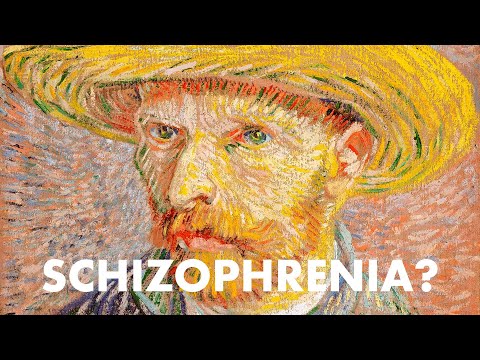
Okay, picture this. Van Gogh, one of the most famous artists ever, right? He painted these stunning pieces that make you feel like you’re staring straight into his soul. But here’s the kicker: behind all that beauty was a guy dealing with some serious mental health issues.
Yeah, like schizophrenia. Can you imagine trying to create while your mind’s throwing you curveballs? It’s wild! His art was brilliant, no doubt, but it came from a place of real pain and struggle.
So let’s dive into Van Gogh’s world. There’s so much to unpack about his life and how his battles shaped his art. You in?
Exploring Vincent van Gogh’s Artistic Style and Its Impact on Mental Health
Vincent van Gogh is, like, one of the most famous artists in the world. His work? It’s not just pretty pictures; it’s a glimpse into his crazy but brilliant mind. You can almost feel his emotions bursting out of the canvas. But what a lot of people don’t know is how his struggles with mental health shaped his art.
First off, van Gogh experienced severe mental health issues throughout his life. Many folks believe he had schizophrenia, among other conditions. And when you look at his paintings, you can see this swirling chaos in the brush strokes and colors, right? His emotions were intense and complex, and that definitely came through in his work.
But let’s talk about those unique characteristics of his artistic style. Van Gogh had this way of using color that was just wild. He didn’t stick to realistic representations; he used bright colors to convey feelings instead. Think about “Starry Night,” for example. Those deep blues and vibrant yellows kind of pull you into a whirlwind of emotions—it’s beautiful yet unsettling at the same time.
Then there’s his brushwork. He had this distinctive technique called impasto, where he built up paint on the canvas so thickly it almost looks three-dimensional. It’s as if you can feel every stroke he made! This method added texture and depth to his paintings, making them come alive in a way that resonates deeply with your feelings.
Now here’s where it gets interesting: there’s a theory that van Gogh’s mental health struggles actually fueled his creativity. Some people believe that intense emotional experiences can lead to heightened creative expression. It’s like when you’re feeling really down or frustrated; sometimes those feelings drive you to create something beautiful or meaningful as an outlet.
However, there’s also a flip side to this narrative. Van Gogh didn’t always find happiness or peace through art. His battles with depression and anxiety were real, and they often overshadowed moments of brilliance. Imagine pouring your heart into something only to feel lost again when it’s done—that’s how it went for him sometimes.
Despite all that pain, van Gogh’s legacy is enormous—he changed how we think about art and emotion forever! People still find comfort in looking at his pieces because they resonate on so many levels—pain, joy, love—you name it! It shows how closely linked creativity and mental health can be.
So next time you see one of van Gogh’s masterpieces, take a moment to appreciate not just the beauty but also the story behind it—the struggles that fueled such incredible talent and insight into the human experience. Art reflects life in so many ways, doesn’t it? And Vincent van Gogh? He left us with an emotional spotlight on both beauty and struggle—a reminder that even amidst chaos, creation can emerge brightly from within us all.
Exploring Van Gogh’s Asylum Paintings: A Journey Through Mental Health and Creativity
Vincent van Gogh is one of those artists whose life and work just won’t let you go. His asylum paintings, created during his time at the Saint-Paul-de-Mausole asylum in Saint-Rémy-de-Provence, France, really open a window into his world. You see, while he was battling with his mental health struggles—some say it was schizophrenia—he produced some of the most breathtaking art that still resonates today.
The way Van Gogh’s mind worked is like a rollercoaster ride. He felt both elated by creativity and crushed under the weight of his mental illness. Can you imagine? Being both a genius and tormented by your thoughts? That’s what he faced daily. There are these moments in those asylum paintings where you can feel it—a raw expression of what he was going through.
Take “Starry Night,” for example. It’s more than just a beautiful night sky; it’s like Van Gogh poured his whole heart into those swirling skies and glowing stars. It reflects restlessness and longing, don’t you think? You might see chaos in it, but there’s also beauty—like how art can sometimes be this weird blend of joy and pain.
The asylum allowed him some quiet time to focus on painting, even if it didn’t cure him. In fact, some people believe that his mental health struggles actually fueled his creativity. It’s like when you’re feeling down or anxious; sometimes, art or writing lets you express all that messy stuff inside yourself.
Here are some key points about how Van Gogh’s journey through mental health influenced his creativity:
- The Asylum Experience: Being in the asylum gave him space to create amidst his turmoil.
- Daily Life Reflected: His paintings often depicted scenes from nature and the surroundings near the asylum.
- Expression Over Conformity: He moved away from traditional styles toward something unique and expressive.
- Connection to Emotions: His work captures intense feelings rather than just visual reality.
It’s striking how many artists struggle with similar issues, right? The creative process often becomes an outlet for emotional pain or turbulence. Van Gogh wasn’t alone; he was part of this broader history where creativity meets mental health challenges.
At times, he stepped beyond mere representation—you know? He showed us not only what things looked like but what they felt like deep down inside him. Those feelings might be confusing or overwhelming, but they’re also incredibly human.
In reflecting on Van Gogh’s life and work, we’re reminded that art often thrives in places where pain exists alongside beauty. It’s not clear-cut—that mix of madness and genius—and maybe that’s exactly why we keep coming back to his pieces again and again. They tell stories that words sometimes can’t grasp fully.
So next time you’re standing before one of Van Gogh’s masterpieces or even just thinking about them, remember: behind those beautiful swirls of color is a tumultuous journey through mental health—one filled with struggle but also immense creativity that still inspires us today.
Exploring Van Gogh’s Battle with Anxiety: Insights into Art and Mental Health
Vincent van Gogh, the legendary Dutch painter, is often remembered for his vibrant colors and emotional depth. But behind that stunning artwork was a struggle with anxiety and mental health issues that many people can relate to. Seriously, this guy was battling demons that went way beyond the canvas.
Van Gogh’s anxiety wasn’t just a passing phase; it shaped both his life and his art. The thing is, he often felt an overwhelming sense of fear and unease. Imagine standing on the edge of a cliff, feeling that rush of panic even when everything seems calm. That’s kind of what he experienced daily.
He also showed signs of deeper psychological troubles—some might even say he had symptoms similar to what we now recognize as schizophrenia. His letters reveal intense emotional swings, from fear and paranoia to bursts of creative brilliance. It’s like he was riding this wild rollercoaster with no safety bar.
His artwork reflects this tumultuous relationship with his mental state. For example, in “Starry Night,” you can almost feel his anxiety swirling like the stars in that sky—chaotic yet beautiful. That painting wasn’t just a pretty picture; it was an emotional expression of what was going on inside him.
It’s fascinating how creativity can sometimes serve as a coping mechanism for mental health issues. Van Gogh poured his emotions into painting as if each brushstroke were a step toward finding peace or understanding himself better. You could totally say his art functioned like therapy—something many people today still seek through creative outlets.
Yet, despite this incredible talent, Van Gogh’s life was tragically short and filled with isolation. He struggled to connect with others in a world that didn’t quite understand him or his suffering. That feeling of loneliness added another layer to his anxiety—a haunting reminder of how vital connection is for our mental well-being.
In the end, looking at Van Gogh’s life offers some powerful insights into the relationship between creativity and mental health challenges. His work reminds us to honor our struggles as part of who we are while also illustrating how crucial it is to reach out for help when we need it—that community aspect really matters!
So yeah, while van Gogh’s paintings shine brightly in galleries around the world today, they each carry whispers of pain and perseverance that resonate deeply with anyone who has faced their own battles with mental health.
// Here are some key takeaways:
- Van Gogh struggled significantly with anxiety throughout his life.
- He exhibited symptoms resembling those of schizophrenia.
- His artwork serves as an expression of these mental struggles.
- Creativity acted like therapy for him.
- Isolation further compounded his feelings of anxiety.
- His story highlights the importance of connection and reaching out for help.
Through all this complexity lies an important reminder: embracing our journey can lead to something beautiful!
Vincent van Gogh is one of those artists that sticks with you, right? His vibrant paintings are almost alive, bursting with emotion. But when you learn about his life, it’s like walking through a heavy fog. The dude faced tremendous struggles, particularly with mental health. Some people think he might’ve had schizophrenia, which really colors the way we see his work and the world around him.
Imagine being so deeply passionate about creating, yet feeling trapped in your own mind. One minute you’re inspired by the beauty of nature—like the swirling stars or golden fields—and then the next, you’re battling inner demons that no one else can see. There’s this heartbreaking story about how he famously cut off part of his ear after a fight with a friend. Talk about losing touch—not just physically but mentally too.
What’s fascinating—and kind of tragic—is how his struggles fed into his art. Many believe that his emotional highs and lows brought out this unique brilliance. His bold colors and strokes capture feelings most of us can’t even put into words. It’s wild how pain can transform into beauty like that.
But here’s where it gets complicated: associating creativity solely with mental illness can be misleading. Sure, Van Gogh’s emotional turmoil shaped his art in incredible ways, but not every artist struggles like he did to create something meaningful. A lot of people live with mental health issues without becoming famous or producing masterpieces.
So maybe it’s not just about schizophrenia or any other label; it’s more about understanding the profound connection between our experiences—both good and bad—and how we express ourselves through whatever medium speaks to us. Van Gogh’s journey shows us that while struggle can lead to extraordinary beauty, it doesn’t define you as an artist or a person. You’re more than your pain; you’re also your passion, your joy, and your resilience in the face of darkness.