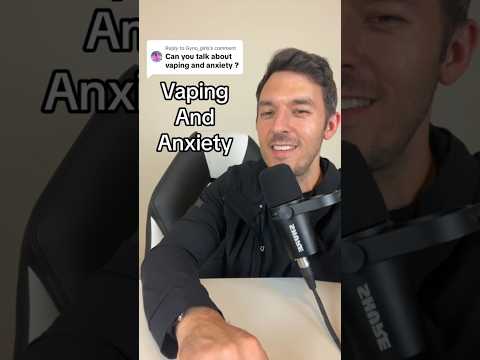
You know, it’s funny how vaping has become the go-to for so many people. I mean, it’s everywhere, right?
But here’s the thing—have you ever thought about how it might mess with your head?
Like, a lot of folks are saying they’re feeling more anxious these days. Could vaping be a part of that?
From what I’ve seen, there’s a connection between all those puffs and rising anxiety levels. It’s wild!
I get it; you just want to chill out, but sometimes what feels relaxing actually does the opposite. Let’s dig into this and see what’s really going on.
Exploring the Link Between Vaping and Mental Health: Does It Contribute to Anxiety and Depression?
So, vaping has become a pretty hot topic lately, right? People are buzzing about it, especially when it comes to its effects on mental health. And honestly, it’s a big deal. You might be wondering how something that seems so harmless (or even cool) could possibly have effects on your mood. Well, let’s break it down.
First off, there’s this idea that **vaping can contribute to anxiety and depression**. Some studies have found a link between increased vaping and higher levels of anxiety symptoms. It’s like you take a puff to feel relaxed or cool, but then your mind starts racing, making you feel anxious instead. Strange twist, huh?
One thing to keep in mind is how nicotine works. When you vape, the nicotine hits your brain really quickly—it can give you a quick rush that feels awesome at first. But then what happens? The crash hits you like a freight train after that initial high wears off. You might end up feeling more irritable or anxious than before you started.
And here are some key points to consider:
- Nicotine changes brain chemistry: It messes with neurotransmitters like dopamine and serotonin, which are super important for your mood.
- Withdrawal symptoms: If you don’t vape for a while or cut back suddenly, your body can react negatively—think irritability and heightened anxiety.
- Stress response: Vaping doesn’t actually fix problems; it might just put them off for later.
You know someone who vapes for stress relief? I do too! I remember my buddy Kyle thought he was using his vape as a tool to manage his nerves during finals week in college. At first, he said it helped him chill out while studying late at night—but slowly he started feeling more jittery than relaxed.
Also worth mentioning: vaping isn’t just about the nicotine; e-liquids can have other ingredients that could affect mental health too. Some flavorings or chemicals might trigger reactions in some people or just lead to an overall sense of unease.
That brings us to social factors—like how peer pressure plays into all this. Many people start vaping because their friends do, which means they might also experience social anxiety if they’re not fitting in with the crowd or feeling left out.
But here’s something important: **not everyone who vapes will experience anxiety or depression**. For some folks, it may be purely recreational or even calming—at least initially! Everyone’s brain is wired differently; that’s what makes this whole conversation tricky.
So really, the relationship between vaping and mental health is complicated and still being studied. While there appears to be **a potential link between vaping and increased anxiety/depression** symptoms for some people, it’s crucial to keep conversations open and supportive around mental health issues—whether they’re related to substance use or not.
At the end of the day, if you’re feeling anxious or down after picking up vaping as a habit—or if you’re thinking about starting—it’s totally okay to talk it out with someone who gets it! Whether that’s a friend or even a therapist who specializes in these issues can make all the difference.
In summary, while vaping may feel good momentarily—it can be part of a cycle that leads to more stress than relief for many people dealing with anxiety and depression. So stay aware of how it’s affecting you personally!
Exploring the Link Between Vaping and Anxiety: Can E-Cigarettes Trigger Panic Attacks?
So, let’s talk about **vaping** and its connection to **anxiety**—specifically, can those sleek e-cigarettes trigger panic attacks? It’s a big topic these days, especially with more folks picking up vaping as an alternative to traditional smoking or just a casual habit.
First off, let’s break down what vaping actually is. It involves inhaling vapor produced by an e-cigarette or similar device. The liquid in these gadgets often contains nicotine, flavorings, and other chemicals. And that nicotine? Well, it’s known for messing with your mood.
Now, if you’re wondering how vaping can be linked to anxiety symptoms, here are some key points to chew on:
- Nicotine’s role: Nicotine is a stimulant. When you vape, it hits your brain pretty fast. It can give you that quick jolt of energy or focus initially but then often comes crashing down—leaving you feeling jittery or more anxious.
- Withdrawal effects: If you’re hooked on nicotine (which many vapers are), not having it can lead to withdrawal symptoms. You may feel irritable or nervous without your fix, which essentially fuels anxiety.
- Chemical sensitivity: Some people are more sensitive to the other chemicals found in vape juice. These can include propylene glycol and vegetable glycerin. For such individuals, inhaling these substances might exacerbate anxiety symptoms.
- Panic attacks: If you’re already prone to anxiety issues and panic attacks, adding nicotine into the mix could potentially trigger an episode because of its fast-acting effects on the central nervous system.
Let me tell you a little story that might hit home for some folks: I had a friend who started vaping thinking it would help her kick cigarettes. At first, she felt great—more youthful energy and all that jazz! But soon enough, she noticed she felt anxious way more often than before. Then one day at work during a stressful meeting—it happened; she had a full-blown panic attack right after hitting her vape too much during lunch break. It was like her body had turned on her.
Scientifically speaking, **research** has shown an increase in anxiety symptoms among those who vape heavily compared to non-vapers. A study from 2018 pointed out that adolescents who used e-cigarettes reported higher levels of stress and anxiety compared to their peers who didn’t use them at all.
But hold up! Not everyone reacts the same way to vaping; some might find it relaxing in social situations and feel less anxious while puffing away with friends.
So here’s the bottom line: If you’re already dealing with anxiety or have had panic attacks before, keep an eye on how vaping affects your mental health. You know yourself best! Watching out for changes is key because feeling anxious is super common these days—and no one needs extra stressors.
Ultimately, if switching from smoking to vaping feels like you’re trading one problem for another—be sure to talk with someone about it; sometimes just having someone listen means a lot in figuring out what works best for you.
Vaping vs. Cigarettes: Exploring the Impact on Anxiety Levels
Vaping and smoking are two different ways people get their nicotine fix. But when it comes to anxiety, the effects can be pretty complicated. You might think that vaping is a healthier alternative to cigarettes, but the research tells us a different story when we start looking at anxiety.
First off, let’s talk about how both methods deliver nicotine. Nicotine is a stimulant, and it can give you that quick adrenaline rush. For some, this feels good at first. But really, once that buzz wears off, it can lead to increased feelings of stress and anxiety. It’s like riding a roller coaster—exciting at the top but seriously stressful on the way down.
- Nicotine withdrawal can cause anxiety symptoms.
If you’re using either cigarettes or vape pens regularly, your body gets used to having nicotine in its system. When you don’t get your fix, things can get rough. Mood swings and irritability are common withdrawal symptoms; they often lead people to crave more nicotine just to feel «normal» again.
But here’s where vaping gets interesting—or maybe concerning. There’s evidence suggesting that vaping can actually increase anxiety levels in some users. Vaping devices often contain other chemicals besides nicotine, which might trigger anxiety or worsen existing symptoms for certain folks.
- The impact of flavors: Some vape liquids include flavorings that aren’t always safe for inhaling.
- Unregulated devices: The varying quality of vape products could expose users to harmful substances.
Consider this: if you smoke cigarettes and decide to switch to vaping thinking it’s less harmful, you might still find yourself battling with heightened anxiety levels due to those extra chemicals or even just the act of constantly needing a hit.
And let’s not forget about the social aspect of both behaviors. If you’re someone who vapes around others who also do it, there could be peer pressure keeping you hooked—like some sort of sneaky social contract around needing that next puff or hit.
Speaking from experience—I had a friend who thought switching from smoking cigarettes to vaping would help with their stress levels. They felt great initially but soon started experiencing more intense bouts of anxiety than before they made the switch! It was kind of eye-opening how something that seemed like an improvement ended up amplifying their feelings instead.
In essence, while people often turn to both smoking and vaping as ways to cope with stress or anxiety, it’s essential to recognize how these habits can actually contribute to worsening mental health issues over time. You might feel some temporary relief right after hitting that pen or cigarette; however, once it’s gone? The feelings might come rushing back even stronger than before.
So yeah, if you’re grappling with anxiety issues—whether you’re into smoking cigarettes or vaping—it’s worth considering how these habits fit into your overall mental health picture. It’s all connected!
Vaping has become, like, this big thing for a lot of people. I mean, you walk into a room and you see clouds of vapor, right? But here’s the catch: it seems there’s a bit more to it than just being trendy or looking cool.
A friend of mine started vaping because they thought it would help with stress. You know that feeling when life gets overwhelming? So, they figured puffing on something would chill them out. At first, it seemed to work—like an instant escape. But then, over time, they found themselves feeling much more anxious than before. The irony is real.
Research suggests that nicotine can actually mess with your anxiety levels. It might give you that quick high initially but later leads to symptoms like jitters and restlessness. It’s almost like a cruel joke; you’re using something to cope with stress but it’s slowly ramping up your anxiety instead.
And let’s not forget about those delicious flavors! They can be super enticing, drawing in younger crowds who might not even realize how much they’re hooking themselves on nicotine. Over time, as the body becomes dependent on it, withdrawal kicks in if you don’t vape enough. That can lead to feelings of irritability and unease—definitely not what you signed up for when you took your first puff!
There are also those moments when you’re just sitting there trying to focus or relax, and bam! Your mind races with all sorts of worries because you’re craving another hit or freaking out over the potential health risks. Vaping isn’t just picking up a habit; it’s sort of an emotional rollercoaster.
So what does this all mean? Well, if you’re thinking about vaping as a way to deal with anxiety or stress, maybe take a step back and ask yourself if that’s really the solution you’re looking for. Sometimes facing those feelings head-on—whether through talking it out or finding healthier outlets—might be way more effective than chasing clouds of vapor only to feel even worse later on. Just something worth considering!